
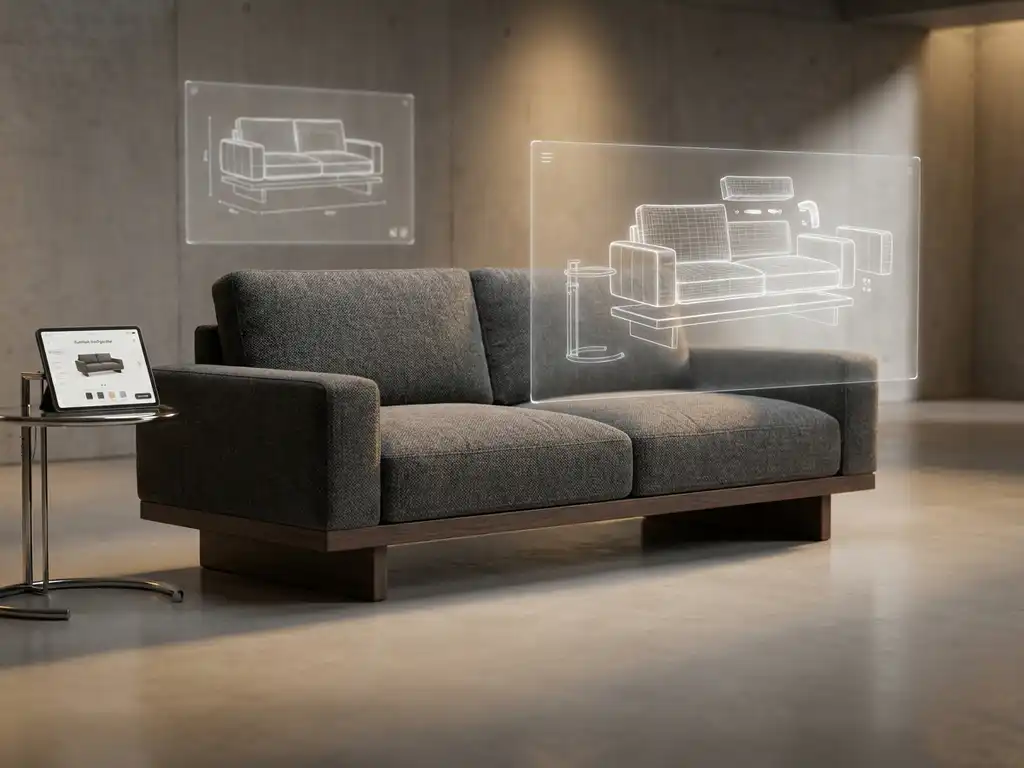
3D product rendering creates photorealistic digital visualizations that transform how customers experience products across all touchpoints. This technology enables consistent, interactive product presentation from initial online discovery through final purchase, whether customers shop online or visit physical stores. Modern omnichannel strategies rely on 3D rendering to deliver seamless experiences that guide customers naturally through their buying journey.
What is 3D product rendering, and how does it enhance the customer experience?
3D product rendering is a digital technology that creates photorealistic images and interactive visualizations of products using computer-generated imagery. Unlike traditional photography, 3D rendering produces consistent, high-quality visuals that can be modified, customized, and presented across multiple channels without additional photoshoots.
The technology enhances the customer experience by providing detailed visual information that helps buyers understand products before purchase. Customers can view products from multiple angles, see texture details, and understand scale relationships that static images cannot convey. This comprehensive visual information reduces uncertainty and builds confidence in purchase decisions.
Interactive 3D visualizations allow customers to explore products at their own pace, zooming in on specific features and examining the details that matter most to their decision-making process. The technology works equally well on desktop computers, mobile devices, and in-store displays, ensuring consistent quality regardless of how customers choose to engage with products.
How does 3D rendering create consistency across different sales channels?
3D rendering ensures uniform product presentation by generating all visual content from the same digital source files. This eliminates variations in lighting, angles, and quality that can occur when using different photographers or shooting locations for various marketing materials.
The same 3D models produce consistent visuals for websites, mobile applications, printed catalogs, and in-store displays. Product colors, proportions, and details remain identical whether customers encounter them online, in marketing emails, or on digital screens within retail environments. This consistency prevents the confusion that occurs when products look different across touchpoints.
Digital asset management becomes streamlined when all channels draw from the same 3D rendering library. Updates to product designs, new color options, or seasonal variations can be applied universally, ensuring every customer touchpoint reflects current product offerings without coordinating multiple photography sessions or graphic design projects.
Visual Commerce Solutions
Talk to our team about your project.
What role does product customization play in the modern customer journey?
Product customization has become a critical differentiator, allowing customers to create personalized solutions while visualizing their choices in real time. Interactive configurators powered by 3D rendering let customers modify colors, materials, sizes, and features while immediately seeing how these changes affect the final product’s appearance.
Modern customers expect to participate in the design process rather than simply choosing from pre-made options. Real-time visualization of customizations eliminates guesswork and reduces the likelihood of returns caused by unmet expectations. Customers can experiment with different combinations until they find the perfect solution for their needs.
The ability to save, share, and return to customized configurations supports the longer consideration periods typical of complex purchases. Customers might start customizing a product on their mobile device, continue the process on a desktop computer, and finalize details with sales staff in a physical store, maintaining their preferences throughout the journey.
How do 3D visuals bridge the gap between online and offline shopping?
3D visuals create continuity between digital and physical shopping experiences by providing identical product representations across all environments. Customers who begin their research online encounter the same visual quality and interactive capabilities when they visit physical stores equipped with digital displays and configuration tools.
This consistency eliminates the disconnect that traditionally exists between online browsing and in-store experiences. Sales staff can reference the same interactive 3D models that customers viewed at home, making conversations more productive and reducing the time needed to understand customer preferences and requirements.
The technology enables showrooms to display entire product ranges without requiring physical inventory for every variation. Customers can experience products that might not be available for immediate viewing while still receiving the detailed visual information they need to make informed decisions. This approach maximizes showroom efficiency while expanding the range of products customers can explore during their visit.
How 3Dimerce helps with omnichannel product visualization
We provide a comprehensive platform that creates consistent 3D product experiences across all customer touchpoints. Our visual product configuration solution delivers photorealistic rendering with blazing-fast performance, ensuring stunning visuals that maintain quality whether customers engage online or in retail environments.
Our approach delivers measurable benefits for brands seeking omnichannel excellence:
- Unified visual standards across websites, mobile apps, and in-store displays
- Real-time product customization with instant visual feedback
- Seamless integration with existing e-commerce and retail systems
- Scalable content production that grows with your product range
- Reduced dependency on traditional photography and physical samples
Ready to transform your omnichannel customer experience with cutting-edge 3D visualization? Contact our team to discuss how our company’s platform can deliver consistent, engaging product experiences that guide customers seamlessly from discovery to purchase across all channels.