
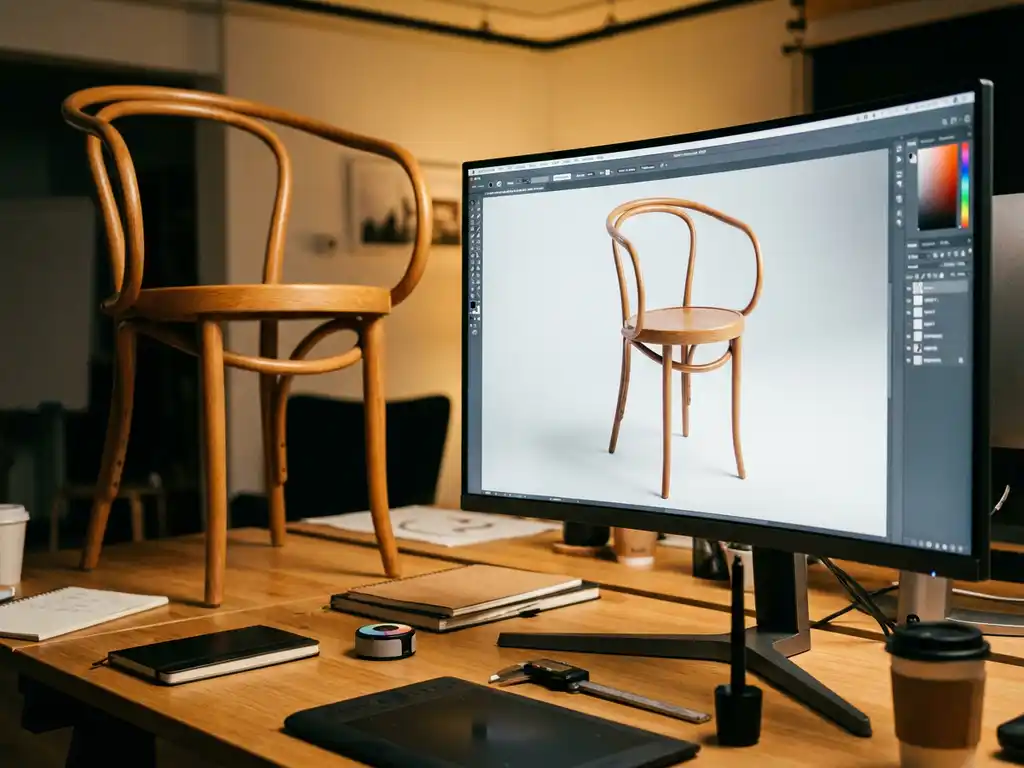
Maintaining quality in 3D product rendering requires careful attention to technical precision, consistent processes, and systematic quality control measures. High-quality renders depend on accurate modeling, proper lighting setup, realistic material properties, and rigorous testing throughout the production pipeline. Professional results come from combining technical expertise with structured workflows that ensure every render meets brand standards and customer expectations.
What determines the quality of 3D product rendering?
The quality of 3D product rendering depends on four fundamental factors: modeling accuracy, texture resolution, lighting setup, and material properties. These elements work together to create photorealistic results that accurately represent your products.
Modeling accuracy forms the foundation of quality rendering. Every dimension, curve, and surface detail must precisely match the physical product. This includes proper topology, clean geometry, and accurate proportions that maintain visual integrity from every viewing angle.
Texture resolution directly impacts visual sharpness and detail clarity. High-resolution textures capture surface imperfections, grain patterns, and material characteristics that make renders appear authentic. However, resolution must be balanced against file size and rendering performance requirements.
Material properties define how surfaces interact with light, affecting reflection, transparency, and overall appearance. Accurate material settings ensure fabrics look soft, metals appear reflective, and wood shows natural grain patterns. These properties must match real-world material behavior for convincing results.
How do you ensure accurate product representation in 3D models?
Accurate product representation requires a systematic approach that starts with comprehensive reference material collection, precise dimensional measurements, and iterative refinement based on real product samples.
Begin by gathering detailed reference materials, including technical drawings, photographs from multiple angles, material samples, and physical measurements. Document every surface texture, joint detail, and hardware component that affects the product’s appearance.
Implement dimensional verification at multiple stages. Compare 3D model measurements against technical specifications and physical samples. Check proportions, spacing, and alignment to ensure mathematical accuracy throughout the modeling process.
Use iterative refinement techniques to gradually improve accuracy. Start with basic geometry, then add details progressively. Regular comparison sessions between renders and physical products help identify discrepancies early in the process.
Establish clear approval checkpoints where stakeholders can review accuracy before proceeding. This prevents costly revisions later and ensures the final model meets all representation requirements.
Visual Commerce Solutions
Talk to our team about your project.
What lighting techniques produce the most realistic 3D product renders?
Realistic 3D product renders require a proper lighting setup that mimics natural or studio lighting conditions. The most effective approach combines key lighting, fill lighting, and environmental lighting to create depth and visual interest.
Natural lighting simulation uses HDRI (High Dynamic Range Imaging) environments that provide realistic light distribution and reflections. These environments capture real-world lighting conditions and apply them to your 3D scene, creating authentic shadows and highlights.
Studio lighting configurations typically use a three-point lighting setup: a key light for primary illumination, a fill light to reduce harsh shadows, and a rim light to separate the product from the background. This professional approach ensures even illumination while maintaining visual drama.
Environmental lighting affects how materials appear and interact with their surroundings. Proper environment setup includes realistic backgrounds, appropriate ambient lighting levels, and accurate light color temperature that matches the intended viewing context.
Consider how lighting affects different materials in your product. Metals require strong reflections, fabrics need soft illumination, and transparent materials benefit from backlighting to show clarity and depth.
How do you maintain consistency across multiple product variations?
Maintaining consistency across product variations requires standardized lighting setups, material libraries, and rendering settings that ensure uniform quality and brand presentation throughout your entire product range.
Create master lighting templates for different product categories. These templates establish consistent illumination, shadow quality, and environmental conditions that can be applied across all variations while maintaining visual coherence.
Develop comprehensive material libraries with standardized properties for fabrics, metals, woods, and other materials used in your products. This ensures identical materials appear the same across different product configurations and variations.
Establish rendering presets that maintain consistent image quality, resolution, and post-processing effects. These presets should account for different output requirements such as web display, print materials, or interactive product configurators.
Document all settings and specifications in detailed style guides. Include lighting parameters, material properties, camera angles, and post-processing steps to ensure team members can reproduce consistent results, regardless of who creates the renders.
What quality control processes should be in place for 3D rendering?
Effective quality control requires systematic review checkpoints, technical validation processes, and structured client feedback integration throughout the entire rendering pipeline.
Implement multiple review stages, starting with initial modeling approval, followed by material and lighting reviews, and final render approval. Each stage should have specific criteria and sign-off requirements before proceeding to the next phase.
Technical validation includes checking render resolution, color accuracy, file formats, and metadata requirements. Automated checks can verify technical specifications, while manual reviews assess visual quality and brand compliance.
Create detailed checklists for each review stage covering modeling accuracy, material appearance, lighting quality, and overall visual impact. These checklists ensure consistent evaluation criteria across all projects and team members.
Establish clear revision protocols that document requested changes, track implementation, and verify completion. This prevents miscommunication and ensures all feedback is properly addressed before final delivery.
Regular calibration of monitors and color management systems ensures accurate color representation throughout the production pipeline. This technical foundation supports consistent quality assessment and client satisfaction.
How 3Dimerce helps maintain 3D rendering quality
We maintain exceptional 3D rendering quality through our comprehensive platform, which combines advanced technology with rigorous quality processes to ensure consistent, photorealistic results for luxury and design-focused brands.
Our quality assurance approach includes:
- Standardized workflows that maintain consistency across all product variations and configurations
- Advanced material libraries with precisely calibrated properties for authentic surface representation
- Professional lighting systems that create studio-quality illumination for every render
- Multi-stage review processes that ensure accuracy before delivery
- Technical validation tools that verify specifications and maintain brand standards
Our platform integrates seamlessly with existing workflows while providing the control and flexibility needed for high-end product visualization. We understand that quality cannot be compromised when representing premium products, which is why every aspect of our rendering process is designed to exceed expectations. Learn more about our approach to delivering exceptional 3D rendering quality.
Ready to experience consistently exceptional 3D rendering quality for your products? Contact us to discuss how our platform can elevate your product visualization standards.