
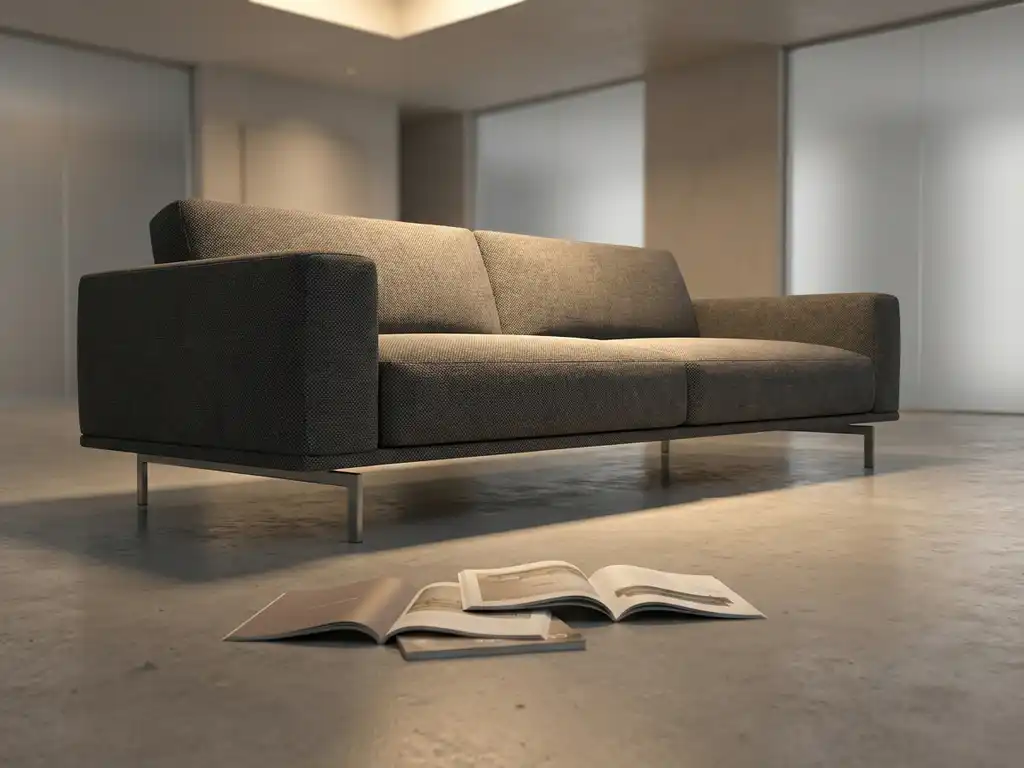
Yes, 3D product rendering can effectively replace many functions of physical showrooms, offering unlimited product display capacity, global accessibility, and instant customization without physical space constraints. However, the most successful approach combines virtual technology with strategic physical touchpoints to create comprehensive customer experiences that address both digital convenience and tactile needs.
What makes physical showrooms challenging for modern product brands?
Physical showrooms face significant limitations in space, cost, and scalability that restrict modern product brands’ ability to showcase their full range effectively. These traditional spaces can display only a fraction of available products and configurations, while requiring substantial ongoing investment in rent, utilities, maintenance, and staff.
Space constraints represent the most immediate challenge. Even large showrooms cannot accommodate every product variation, color option, or configuration that customers might want to see. This limitation forces brands to make difficult decisions about which products to display, potentially missing sales opportunities for items not physically present.
Geographical limitations compound these challenges by restricting customer access to specific locations. Brands must either invest in multiple showrooms across different markets or accept that many potential customers cannot experience their products in person. This creates particular difficulties for international expansion and for reaching customers in smaller markets.
Inventory management adds another layer of complexity. Physical showrooms require careful coordination among display pieces, sample inventory, and actual stock levels. Updating displays when new products launch or when seasonal changes occur involves significant logistical planning and costs.
Maintenance costs continue indefinitely, including rent, utilities, insurance, and staff wages. These fixed expenses persist regardless of foot traffic or sales performance, making physical showrooms particularly challenging during economic downturns or market fluctuations.
How does 3D product rendering create virtual showroom experiences?
3D product rendering transforms digital spaces into immersive virtual showrooms through photorealistic visualization technology that recreates products with stunning detail, including accurate textures, lighting, and shadows. These virtual environments allow customers to explore products from every angle, customize configurations in real time, and experience realistic product presentations without physical limitations.
The technology creates virtual environments that mirror physical showroom experiences while offering enhanced functionality. Customers can rotate products 360 degrees, zoom in on specific details, and examine materials and finishes with clarity that often exceeds what’s possible in traditional lighting conditions.
Interactive product configuration represents a key advantage of virtual showrooms. Customers can modify colors, materials, sizes, and features instantly, seeing immediate visual feedback for their choices. This real-time customization capability allows exploration of countless product variations without requiring physical samples or lengthy consultation processes.
Visual Commerce Solutions
Talk to our team about your project.
Advanced rendering techniques produce images that are virtually indistinguishable from photography. Modern 3D visualization solutions capture subtle details like fabric textures, wood grain, and metal finishes with remarkable accuracy, creating convincing product presentations that build customer confidence.
Virtual showrooms can also incorporate environmental context, showing products in realistic room settings or usage scenarios. This contextual presentation helps customers visualize how products will look and function in their own spaces, addressing one of the key benefits traditionally offered by physical showrooms.
What are the main advantages of virtual showrooms over physical spaces?
Virtual showrooms offer unlimited display capacity and global accessibility while eliminating geographical constraints and reducing operational costs. They provide instant product updates, personalized customer experiences, and the ability to showcase infinite product variations without physical inventory requirements or space limitations.
Cost efficiency is perhaps the most significant advantage. Virtual showrooms eliminate rent, utilities, physical inventory, and many staffing requirements associated with traditional spaces. Once created, virtual environments can serve unlimited customers simultaneously without additional per-visitor costs.
Global accessibility transforms market reach. Customers worldwide can access virtual showrooms 24/7, exploring products at their convenience without travel requirements. This accessibility particularly benefits brands targeting international markets or customers in remote locations.
Instant updates provide operational flexibility that physical showrooms cannot match. New products can be added immediately, seasonal collections can be updated without physical logistics, and discontinued items can be removed instantly. This agility allows brands to respond quickly to market demands and maintain current product presentations.
Personalization capabilities exceed what’s practical in physical spaces. Virtual showrooms can adapt to individual customer preferences, showing relevant products based on browsing history, demographic information, or stated interests. This targeted approach improves the customer experience while increasing conversion potential.
Analytics and data collection offer insights impossible in physical showrooms. Brands can track which products receive the most attention, where customers spend time, and which configurations are most popular. This data informs product development, marketing strategies, and inventory planning.
What challenges do brands face when transitioning from physical to virtual showrooms?
Brands face initial technology investment costs and customer adaptation challenges when transitioning to virtual showrooms. The need for high-quality 3D assets, integration with existing sales processes, and maintaining tactile product experiences that customers value in physical spaces requires careful planning and strategic implementation.
Technology investment represents the most immediate hurdle. Creating high-quality 3D product models, developing interactive platforms, and ensuring seamless performance across devices requires significant upfront investment. Brands must evaluate costs against long-term benefits while planning implementation timelines.
Customer adaptation varies across demographics and product categories. Some customers, particularly in older demographics, may prefer physical product interaction and require education about the benefits of virtual showrooms. Building trust in virtual product presentations takes time and consistent positive experiences.
3D asset creation demands specialized expertise and time. Products must be accurately modeled, textured, and configured for interactive use. This process requires coordination among design teams, 3D specialists, and product managers to ensure virtual representations meet quality standards.
Integration with existing sales processes can be complex. Virtual showrooms must connect with inventory systems, pricing databases, and order management platforms. Sales teams need training on virtual tools and processes for guiding customers through digital experiences.
Tactile elements remain challenging to replicate virtually. Products for which texture, weight, or physical interaction are important purchase factors may require hybrid approaches that combine virtual exploration with strategic physical sampling or trial programs.
How can brands successfully integrate virtual and physical showroom experiences?
Successful integration combines virtual tools with physical spaces and creates omnichannel customer journeys that leverage each approach’s strengths. Brands can use virtual technology to enhance in-store experiences while providing online customers with detailed product exploration that prepares them for informed in-person interactions.
Hybrid showroom models maximize the benefits of both approaches. Physical spaces can focus on key products and tactile experiences while using virtual displays to showcase complete product ranges. Interactive screens and tablets allow in-store customers to explore configurations not physically present.
Omnichannel customer journeys create seamless transitions between virtual and physical touchpoints. Customers might begin product exploration online, save configurations and preferences, then continue their experience in physical locations with sales teams who can access their virtual session history.
Virtual tools can enhance physical consultations by allowing real-time customization and visualization during customer meetings. Sales representatives can modify products instantly based on customer feedback, showing immediate results that would be impossible with physical samples alone.
Strategic physical sampling addresses virtual showrooms’ tactile limitations. Brands can maintain small physical spaces or mobile displays featuring key materials and textures while using virtual tools for configuration and visualization. This approach provides tactile confidence while maintaining virtual flexibility.
Staff training ensures consistent experiences across channels. Sales teams need expertise in both virtual tools and physical product knowledge, enabling them to guide customers effectively regardless of the interaction format. Implementation examples demonstrate various approaches to this integration.
How 3Dimerce helps with virtual showroom implementation
We address virtual showroom challenges through our comprehensive platform that combines advanced 3D product configurators with seamless integration capabilities and photorealistic rendering technology. Our experienced team provides complete support for brands transitioning from physical to digital product experiences.
Our platform delivers:
- Photorealistic 3D rendering that creates stunning visual experiences with accurate textures, lighting, and materials
- Interactive product configuration allowing real-time customization across all product variations
- Seamless integration with existing e-commerce platforms and sales systems
- Omnichannel deployment supporting both online and in-store virtual showroom experiences
- Scalable technology that grows with your product range without additional per-variant costs
Our implementation process includes comprehensive 3D asset creation, platform customization, staff training, and ongoing technical support. We work closely with brands to ensure virtual showrooms maintain their premium positioning while delivering measurable improvements in customer engagement and sales conversion.
Ready to transform your product presentation with virtual showroom technology? Contact our team to discuss how our 3D product visualization platform can replace or enhance your physical showroom strategy while reducing costs and expanding market reach.