
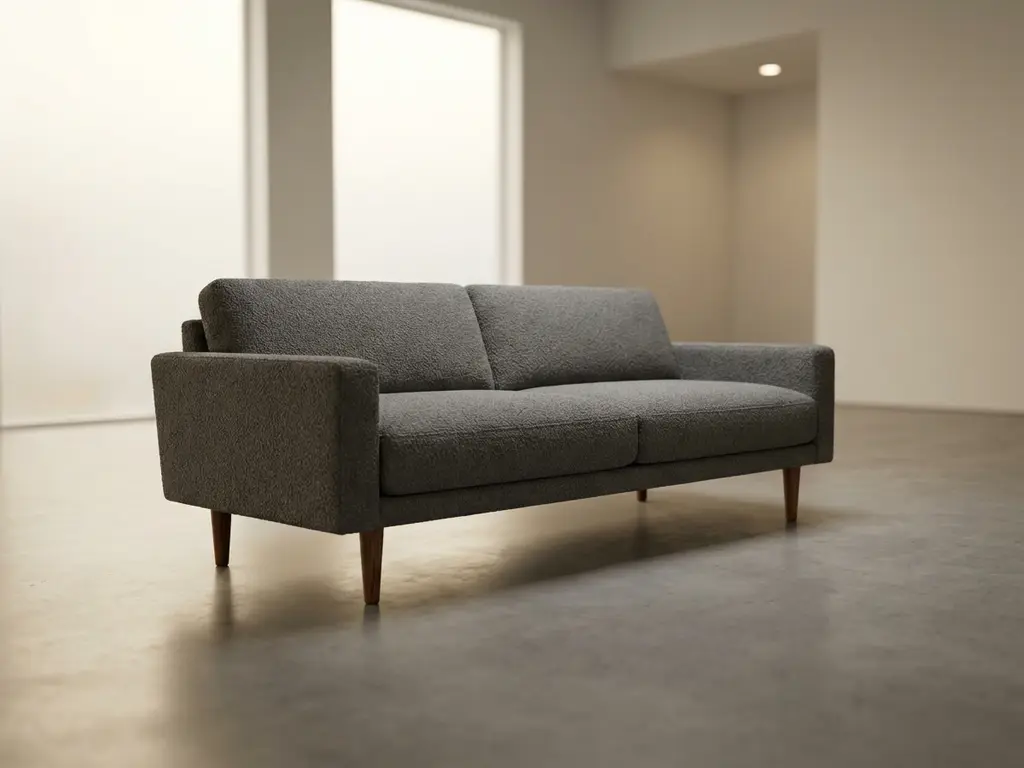
3D product rendering creates photorealistic digital models that allow customers to view, customize, and interact with products virtually. This technology reduces reliance on physical showrooms by providing immersive product experiences accessible from anywhere, eliminating the need for expensive physical inventory and real estate. Businesses can showcase unlimited product variations instantly while significantly reducing operational costs.
What is 3D product rendering, and how does it replace physical displays?
3D product rendering is advanced computer graphics technology that creates photorealistic digital representations of products using sophisticated lighting, texturing, and modeling techniques. These virtual models can display products from any angle with accurate materials, colours, and finishes that are visually indistinguishable from physical items.
The technology replaces physical displays by offering interactive experiences where customers can rotate products 360 degrees, zoom in on details, change configurations, and see real-time customizations. Advanced rendering engines simulate natural lighting conditions, surface textures, and environmental reflections that make digital products appear tangible and authentic.
Modern 3D rendering platforms integrate seamlessly with e-commerce systems, allowing customers to configure products, see instant visual updates, and make purchasing decisions without ever handling physical items. This creates compelling shopping experiences that match or exceed traditional showroom interactions while providing unlimited flexibility in product presentation.
Why are businesses moving away from traditional physical showrooms?
Traditional physical showrooms present significant operational challenges, including high commercial real estate costs, extensive inventory requirements, and limited space for displaying product variations. Many businesses struggle with the expense and logistics of maintaining multiple showroom locations while keeping displays current as product lines evolve.
Physical spaces cannot accommodate every possible product configuration, forcing businesses to show limited samples that may not reflect customer preferences. This creates gaps between what customers see in showrooms and what they actually want to purchase, leading to disappointment and lost sales opportunities.
Staffing costs for showroom operations add substantial overhead, requiring trained personnel to guide customers through complex product choices. Geographic limitations mean businesses can reach only local customers, while global markets remain inaccessible through physical showroom strategies alone.
Inventory management becomes particularly challenging when showrooms require physical samples of seasonal products, discontinued items, or custom configurations that may never sell. These factors combine to make traditional showrooms increasingly expensive and inefficient compared to digital alternatives.
Visual Commerce Solutions
Talk to our team about your project.
How does virtual product visualization reduce operational costs?
Virtual product visualization eliminates physical inventory requirements, removing costs associated with manufacturing, storing, and maintaining showroom samples. Businesses no longer need to produce physical prototypes for every product variation or keep extensive sample libraries that require regular updates and replacement.
Real estate expenses decrease dramatically as businesses require smaller physical spaces or can operate entirely online. This reduction in commercial property costs includes rent, utilities, insurance, and maintenance expenses that traditional showrooms demand across multiple locations.
Staffing requirements become more efficient as digital platforms can guide customers through product selection processes automatically. While some customer service support remains valuable, the need for specialized showroom staff decreases significantly when comprehensive digital solutions handle most customer interactions.
Logistics costs for sample management disappear entirely, including shipping samples between locations, updating displays with new products, and disposing of outdated materials. Digital updates happen instantly across all platforms without physical handling or transportation expenses.
What are the key advantages of digital showrooms over physical spaces?
Digital showrooms provide unlimited product variations without space constraints, allowing customers to explore every possible configuration and customization option. Unlike physical spaces limited by floor area, virtual environments can display entire product catalogues with infinite detail and virtually limitless variation.
Accessibility becomes global and continuous, with customers able to explore products 24/7 from any location with internet access. This eliminates geographic barriers and time zone limitations that restrict traditional showroom effectiveness.
Updates happen instantly across all digital platforms when new products launch or specifications change. Physical showrooms require time-consuming and expensive processes to update displays, while digital versions can reflect changes immediately worldwide.
Personalized experiences become possible through digital platforms that remember customer preferences, suggest relevant options, and tailor presentations to individual needs. This level of personalization exceeds what most physical showrooms can provide consistently.
Products that do not physically exist yet can be showcased effectively, allowing businesses to take orders for upcoming releases or custom configurations before manufacturing. This capability provides significant competitive advantages and improved cash flow management.
How do customers respond to virtual product experiences?
Customer engagement with virtual product experiences often exceeds traditional browsing patterns, with users spending more time exploring configurations and customization options than they would in physical showrooms. The interactive nature of digital platforms encourages experimentation and deeper product exploration.
Conversion rates typically improve when customers can visualize products accurately before purchasing, reducing uncertainty about appearance, fit, and functionality. The ability to see products in different configurations helps customers make confident decisions without physical handling.
Modern consumers, particularly younger demographics, expect digital experiences and often prefer virtual interactions over traditional sales processes. They appreciate the convenience, privacy, and control that digital platforms provide during product research and selection.
The psychological impact of high-quality visualization creates emotional connections with products similar to those formed through physical experiences. When rendering quality reaches photorealistic levels, customers develop trust and confidence in their purchasing decisions through virtual interactions.
Customer satisfaction increases when virtual experiences match or exceed expectations upon product delivery. Accurate visualization reduces returns and complaints while building brand trust through reliable representation of actual products.
How 3Dimerce helps reduce dependence on physical showrooms
Our visual product experience platform transforms how businesses present and sell configurable products by creating stunning, photorealistic digital showrooms that eliminate the need for extensive physical displays. We specialize in high-end product visualization that meets the premium quality expectations of luxury and design-focused brands, drawing on our extensive industry expertise to deliver exceptional results.
Key benefits of our approach include:
- Unlimited product configurations displayed instantly without physical inventory requirements
- Seamless integration with existing e-commerce platforms and sales systems
- Blazing-fast rendering that delivers stunning visuals across all devices
- Omnichannel consistency between online and in-store experiences
- Significant reduction in photography costs and sample management expenses
Our SaaS solution enables businesses to transition from costly physical showrooms to dynamic digital experiences that serve customers better while reducing operational overhead. The platform handles complex product customization with the visual quality that premium brands require, ensuring every customer interaction reflects your brand’s commitment to excellence.
Ready to reduce your reliance on physical showrooms while enhancing customer experiences? Contact our team to discuss how our 3D product rendering platform can transform your sales process and explore our successful implementations across various industries.