
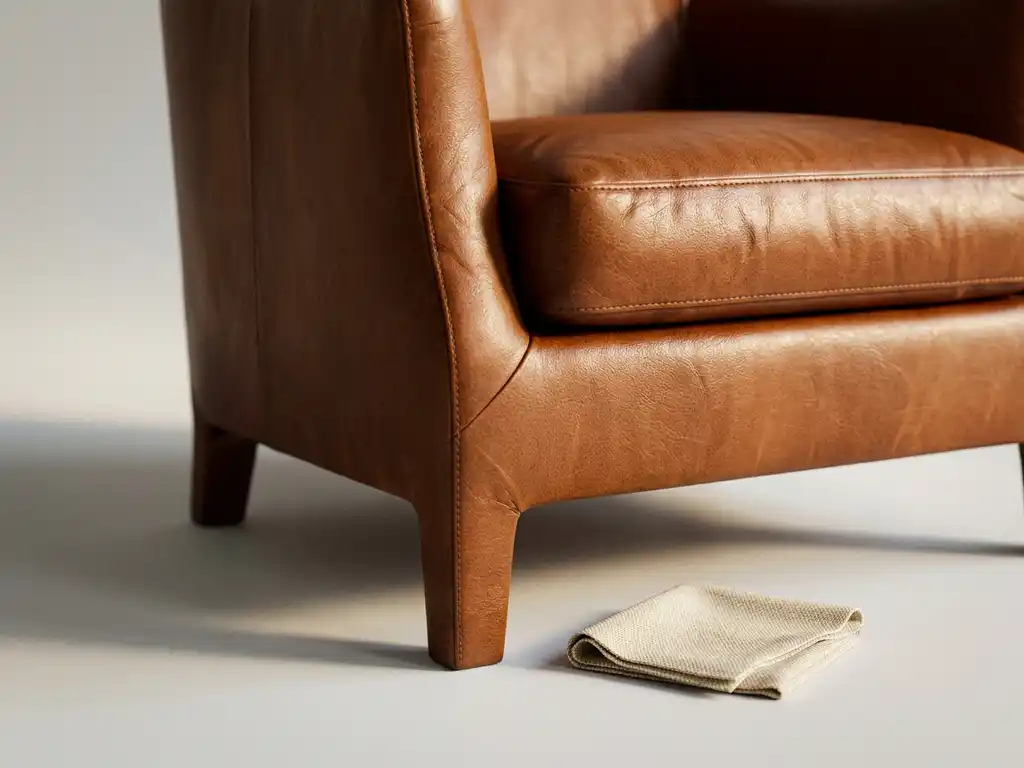
PBR (Physically Based Rendering) technology transforms 3D product configurators by simulating how light interacts with materials in the real world, creating photorealistic visuals that accurately represent textures, reflectivity, and surface properties. This advanced rendering technique uses mathematical models based on real-world physics to produce images that are virtually indistinguishable from professional photography.
Why are unrealistic product visuals costing you potential sales?
When your 3D product configurator displays materials that look flat, overly shiny, or artificial, customers struggle to trust what they’re seeing. This disconnect between expectation and reality creates hesitation at the crucial moment of the purchase decision. Premium furniture buyers, in particular, expect to see authentic wood grain, realistic fabric textures, and accurate metal finishes that match their high-end expectations. Without PBR technology, your configurator might showcase a leather sofa that looks like plastic or wooden furniture with an unnatural, video-game-like appearance. The solution lies in implementing PBR rendering that accurately simulates material properties, giving customers the confidence they need to complete their purchase.
What does poor material representation signal about your brand positioning?
Subpar 3D visuals in your product configurator send an unintended message about your brand’s attention to quality and detail. When luxury interior design brands present their products with unrealistic lighting or inaccurate material representation, it undermines their premium positioning in the market. Customers begin to question whether the actual product will match their expectations, leading to increased returns and decreased brand loyalty. The path forward involves adopting PBR technology that ensures every surface, shadow, and reflection appears exactly as it would under real lighting conditions, reinforcing your commitment to excellence.
Visual Commerce Solutions
Talk to our team about your project.
What is PBR technology in 3D product configurators?
PBR technology in 3D product configurators is a rendering method that uses physically accurate algorithms to simulate how light behaves when it hits different materials. Unlike traditional rendering approaches that rely on artistic interpretation, PBR follows the laws of physics to calculate light absorption, reflection, and scattering across surfaces.
The technology works by defining materials through specific properties, including albedo (base color), metallic values, roughness, and normal maps. These parameters work together to create materials that respond to lighting exactly as they would in reality. For example, a brushed aluminum surface in a PBR configurator will show the characteristic directional reflections and subtle color shifts that occur with real brushed metal.
Modern PBR workflows also incorporate advanced lighting models such as image-based lighting (IBL), which uses high dynamic range images of real environments to illuminate 3D scenes. This approach ensures that products appear naturally lit, whether displayed in a bright showroom or a cozy living room setting.
How does PBR improve visual realism in product configurators?
PBR dramatically enhances visual realism by ensuring materials behave consistently under different lighting conditions. Traditional rendering often produces materials that look convincing under one lighting setup but appear artificial when the environment changes. PBR materials maintain their authentic appearance whether viewed under bright daylight, warm indoor lighting, or dramatic accent lighting.
The technology excels at rendering complex material interactions that occur in real life. When light hits a wooden table surface, for instance, PBR accurately simulates how some light penetrates the wood grain while other portions reflect off the surface finish. This creates the subtle depth and richness that customers associate with quality furniture.
Surface imperfections and micro-details also contribute significantly to realism. PBR allows configurators to display the natural variations in leather grain, the subtle directional patterns in brushed metals, and the complex light scattering that occurs in translucent materials like marble or fabric. These details create an emotional connection between customers and products, as the visuals feel tangible and authentic.
What’s the difference between PBR and traditional 3D rendering?
Traditional 3D rendering relies heavily on artistic techniques and manual adjustments to achieve appealing visuals. Artists must individually tune material properties for each lighting scenario, often resulting in materials that look good in specific conditions but fail to maintain consistency across different environments.
PBR eliminates this inconsistency by using standardized, physics-based material definitions. A PBR material created for a product configurator will automatically respond correctly to any lighting environment without requiring manual adjustments. This consistency proves crucial for brands that display their products across multiple channels and lighting conditions.
The workflow differences are equally significant. Traditional rendering often requires extensive post-processing and color correction to achieve photorealistic results. PBR produces accurate colors and lighting straight from the renderer, reducing production time and ensuring color consistency across all product variants. This efficiency becomes particularly valuable when managing large product catalogs with multiple configuration options.
Performance optimization also differs between the approaches. While traditional rendering might require high-resolution textures and complex shader networks to achieve realism, PBR achieves superior results with more efficient resource usage, enabling smooth real-time interaction even on standard devices.
How does PBR technology impact customer buying decisions?
PBR technology significantly influences customer confidence and purchase behavior by providing accurate material representation that customers can trust. When shoppers can clearly see how a fabric catches light or how wood grain patterns will appear in their space, they feel more confident about their choices. This increased confidence translates directly into higher conversion rates and reduced return rates.
The technology particularly impacts customers shopping for premium products where material quality is a primary consideration. Real-world implementations show that customers spend more time engaging with PBR-enabled configurators, exploring different material combinations and configurations before making their final decision.
PBR also enables customers to make more informed decisions about how products will fit into their existing spaces. Accurate lighting simulation helps customers visualize how a piece of furniture will look under their home’s specific lighting conditions, reducing the uncertainty that often leads to purchase hesitation.
What types of products benefit most from PBR configurators?
Furniture and interior design products see the greatest benefit from PBR technology due to their complex material compositions and the importance of visual appeal in purchase decisions. Leather sofas, wooden tables, fabric chairs, and metal fixtures all require accurate material representation to convey their quality and craftsmanship effectively.
Luxury goods across various categories also benefit significantly from PBR implementation. High-end watches, jewelry, automotive interiors, and premium appliances all rely on material authenticity to justify their price points. PBR ensures these products maintain their premium appearance in digital environments.
Products with multiple material options particularly benefit from PBR consistency. Kitchen cabinets available in various wood finishes, office furniture with different fabric options, or lighting fixtures with multiple metal finishes all require the material accuracy that PBR provides. This consistency helps customers confidently mix and match options without worrying about how different materials will work together.
Technical products where material properties affect function also see substantial benefits. Industrial equipment, architectural materials, and specialized tools all require accurate material representation to help customers understand both aesthetic and functional characteristics.
How 3Dimerce enhances product visualization with PBR technology
We specialize in creating advanced 3D product configurators that leverage cutting-edge PBR technology to deliver stunning, photorealistic product experiences. Our platform combines over 20 years of expertise in virtual art and CGI with the latest PBR rendering techniques to create configurators that showcase your products with exceptional accuracy and visual appeal.
Our PBR implementation offers several key advantages:
- Physically accurate material representation across all lighting conditions
- Blazing fast rendering performance that maintains quality on all devices
- Seamless integration with existing e-commerce platforms and sales environments
- Scalable material libraries that grow with your product range
- Consistent visual quality across online and in-store applications
Ready to transform your product visualization with professional PBR technology? Contact our team to discover how we can create a custom configurator solution that showcases your products with the stunning realism they deserve.
Frequently Asked Questions
How long does it typically take to implement PBR technology in an existing product configurator?
Implementation timelines vary based on your current setup and product complexity, but most PBR upgrades take 4-8 weeks for a standard product catalog. This includes material conversion, lighting setup, performance optimization, and testing across devices. Companies with extensive product lines or custom integration requirements may need 10-12 weeks for complete implementation.
What are the technical requirements for running PBR configurators on customer devices?
Modern PBR configurators are optimized to run smoothly on most devices from the past 5 years, including mid-range smartphones and tablets. The minimum requirements typically include WebGL 2.0 support and 2GB of RAM. Advanced optimization techniques ensure that even complex furniture configurators with multiple material options maintain 30+ FPS performance on standard devices.
Can PBR materials be created from existing product photography?
Yes, experienced teams can extract PBR material properties from high-quality product photography using specialized techniques and software. However, the best results come from purpose-built PBR materials created with proper albedo, roughness, and normal map textures. Hybrid approaches often work well, combining photographic elements with physically accurate material definitions.
How does PBR technology affect configurator loading times and bandwidth usage?
Well-optimized PBR configurators actually use bandwidth more efficiently than traditional high-resolution image-based systems. Instead of loading multiple product images for different angles and lighting conditions, PBR loads one set of optimized textures that work across all scenarios. Initial loading may take 3-5 seconds longer, but subsequent interactions are much faster.
What's the biggest mistake companies make when transitioning to PBR configurators?
The most common mistake is rushing the material creation process without proper quality control. Companies often underestimate the importance of accurate material calibration and lighting setup, resulting in PBR materials that technically work but don’t match their actual products. Investing time in proper material validation and color accuracy testing prevents costly revisions later.
How do you measure the ROI of implementing PBR technology in product configurators?
Key metrics include conversion rate improvements (typically 15-30% increases), reduced return rates due to better expectation setting, increased time spent in configurators, and higher average order values. Most companies see ROI within 6-12 months through improved sales performance and reduced customer service costs related to product visualization questions.
Can PBR configurators integrate with augmented reality (AR) viewing features?
Absolutely. PBR materials translate seamlessly into AR environments, providing the same realistic material representation when customers view products in their actual spaces. The physics-based approach ensures materials look authentic under real-world lighting conditions captured by device cameras, creating a cohesive experience between configurator and AR viewing.