
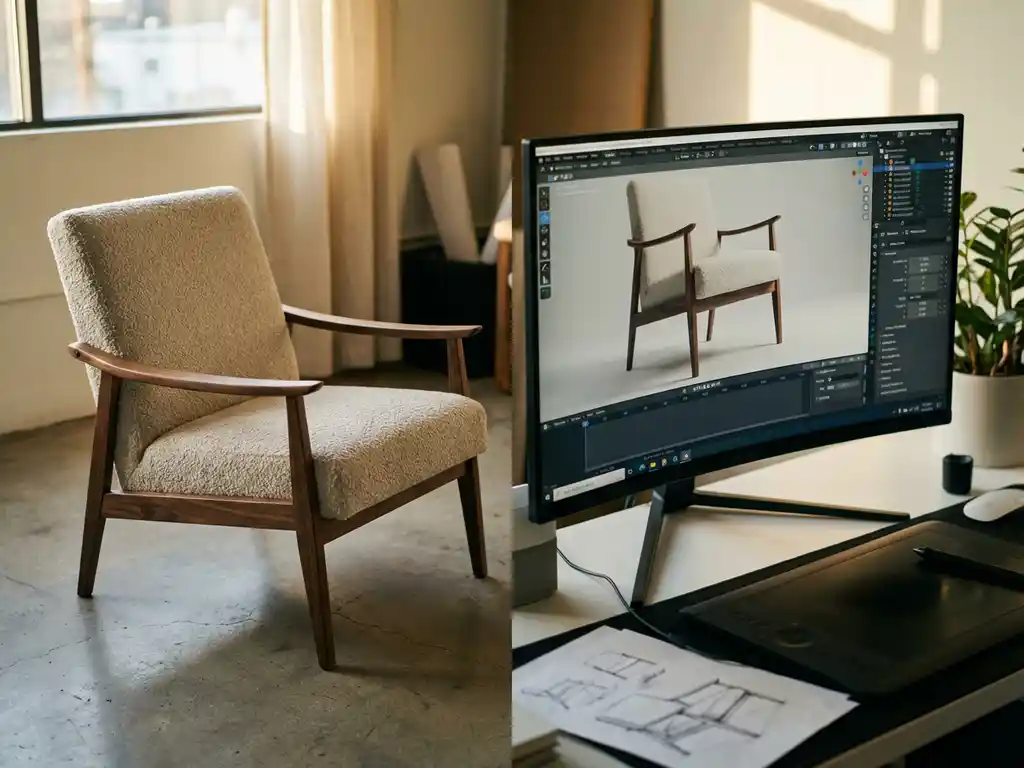
AI is transforming 3D product rendering by automating complex processes, reducing production time from weeks to hours, and enabling real-time quality improvements. Machine learning algorithms now handle lighting calculations, texture generation, and scene optimization that previously required extensive manual work. This technological shift is making high-quality product visualization more accessible and cost-effective for businesses across industries.
What is AI-powered 3D product rendering, and why is it revolutionary?
AI-powered 3D product rendering combines artificial intelligence with traditional computer graphics to automate and enhance the creation of photorealistic product images. Machine learning algorithms analyze lighting patterns, material properties, and scene composition to generate stunning visuals with minimal human intervention. This technology represents a fundamental shift from manual rendering processes to intelligent automation.
The revolutionary impact stems from AI’s ability to learn from vast datasets of real-world imagery and apply this knowledge to synthetic scenes. Traditional CGI workflows required skilled artists to manually adjust every aspect of lighting, materials, and camera angles. AI systems can now make these decisions automatically, understanding how different materials react to light and how products appear in various environments.
This transformation dramatically reduces the barrier to entry for high-quality product visualization. Businesses no longer need teams of specialized 3D artists to create professional-grade imagery. AI handles the technical complexity while maintaining the visual quality that customers expect from premium brands.
How is artificial intelligence changing the speed and quality of 3D rendering?
AI algorithms accelerate rendering processes by predicting pixel values and optimizing computational paths, reducing render times by up to 90% compared to traditional methods. Neural networks trained on millions of images can intelligently fill in details and reduce noise, delivering higher-quality results in a fraction of the time. This speed improvement transforms product visualization from a bottleneck into a competitive advantage.
Machine learning techniques enhance visual quality through intelligent denoising and upscaling. AI can identify and correct artifacts that would typically require multiple rendering passes to eliminate. Advanced algorithms analyze scene composition and automatically adjust parameters such as depth of field, exposure, and color grading to create more appealing final images.
The comparison between traditional and AI-enhanced workflows is striking. Where conventional rendering might require overnight processing for complex scenes, AI-powered systems can deliver similar results in minutes. This speed enables iterative design processes, allowing teams to experiment with different configurations and receive immediate visual feedback.
Automated optimization features continuously improve output quality without manual intervention. AI systems learn from each rendering task, building knowledge about what produces the best results for specific product types and viewing conditions.
What are the biggest challenges AI faces in 3D product visualization?
Current AI rendering technology struggles with consistency across different product types and materials, particularly when handling complex textures such as fabric or translucent materials. Quality can vary unpredictably between similar scenes, requiring human oversight to ensure brand standards are maintained. Computational requirements remain substantial, often requiring specialized hardware that increases implementation costs.
Integration challenges with existing design and e-commerce systems create additional hurdles. Many AI rendering solutions operate as standalone tools, making it difficult to incorporate them into established workflows. This disconnection can actually slow production rather than improve it, particularly for businesses with complex product catalogs.
Technical limitations become apparent when dealing with highly detailed products or unusual material combinations. AI systems trained primarily on common objects may struggle with specialized industrial products or luxury items with unique surface properties. The technology also faces difficulties with accurate brand color reproduction, which is critical for fashion and design-focused businesses.
Human expertise remains essential for creative direction, brand consistency, and quality control. AI can optimize technical parameters, but understanding market positioning, aesthetic preferences, and brand identity still requires human insight and decision-making.
How will AI transform product configurators and customization tools?
AI will enable intelligent product configuration by analyzing user preferences and automatically suggesting relevant customization options, creating more intuitive and personalized shopping experiences. Machine learning algorithms will predict which combinations work well together, reducing decision fatigue while increasing customer satisfaction. Real-time rendering capabilities will allow customers to see their customizations instantly across multiple viewing angles and environments.
Automated variant generation becomes possible when AI understands product structure and design rules. Instead of manually creating every possible configuration, systems can generate new combinations on demand, ensuring customers always see exactly what they’re purchasing. This capability is particularly valuable for furniture and design products, where customization options can number in the thousands.
Personalized customization recommendations will emerge from AI’s ability to analyze customer behavior and preferences. Systems will learn which color combinations, materials, and features appeal to different customer segments, offering tailored suggestions that increase conversion rates and customer satisfaction.
Enhanced user experience design will result from AI’s understanding of how people interact with configurators. Machine learning can identify common pain points and automatically adjust interface elements to reduce confusion and improve completion rates.
What does the future hold for AI in 3D product rendering and CGI?
Emerging AI technologies will enable fully automated content creation pipelines in which product specifications automatically generate complete visual campaigns across multiple channels and formats. Advanced neural networks will understand brand aesthetics and market positioning, creating imagery that maintains consistency while adapting to different platforms and audiences. Integration with AR and VR technologies will create immersive shopping experiences that blur the line between digital and physical retail.
Predicted developments include real-time photorealistic rendering on mobile devices, enabling customers to visualize products in their own spaces with unprecedented accuracy. AI will also enable dynamic product imagery that adapts to individual customer preferences, showing the same product in different styles or environments based on browsing history and demographic data.
The long-term implications for the CGI industry point toward the democratization of high-quality visualization. Small businesses will access the same visual quality previously reserved for major brands, while established companies will redirect creative resources toward strategy and innovation rather than technical execution.
Product marketing will evolve toward dynamic, personalized visual experiences that respond to customer needs in real time. This shift will fundamentally change how brands present products and how customers make purchasing decisions across all channels.
Hoe 3dimerce helpt met AI-gedreven 3D-productvisualisatie
We integrate cutting-edge AI technologies into our visual product experience platform to deliver faster, smarter 3D product rendering and configuration solutions. Our AI-enhanced system automatically optimizes lighting, materials, and scene composition while maintaining the stunning visual quality that premium brands require. This intelligent automation reduces production time while ensuring consistency across all product variants and channels.
Key advantages of our AI-driven approach include:
- Automated rendering optimization that delivers blazing-fast visual updates
- Intelligent material and lighting adjustment for photorealistic results
- Real-time configuration rendering that responds instantly to customer choices
- Seamless integration with existing e-commerce and sales systems
- Scalable visual content generation that grows with your product range
Our platform combines AI efficiency with human creativity, ensuring that every visual meets your brand standards while benefiting from technological advancement. Our experienced team specializes in implementing AI-powered solutions that transform product visualization workflows. Ready to experience the future of product visualization? Contact us to discover how AI-powered 3D rendering can transform your product presentation and customer experience.
Related Articles
- How does 3D product rendering connect to digital asset management?
- Why is 3D product rendering important for manufacturers?
- Why are furniture brands switching from photography to 3D product rendering?
- Why do configurable products need 3D product rendering?
- What is the role of 3D product rendering in modern retail?