
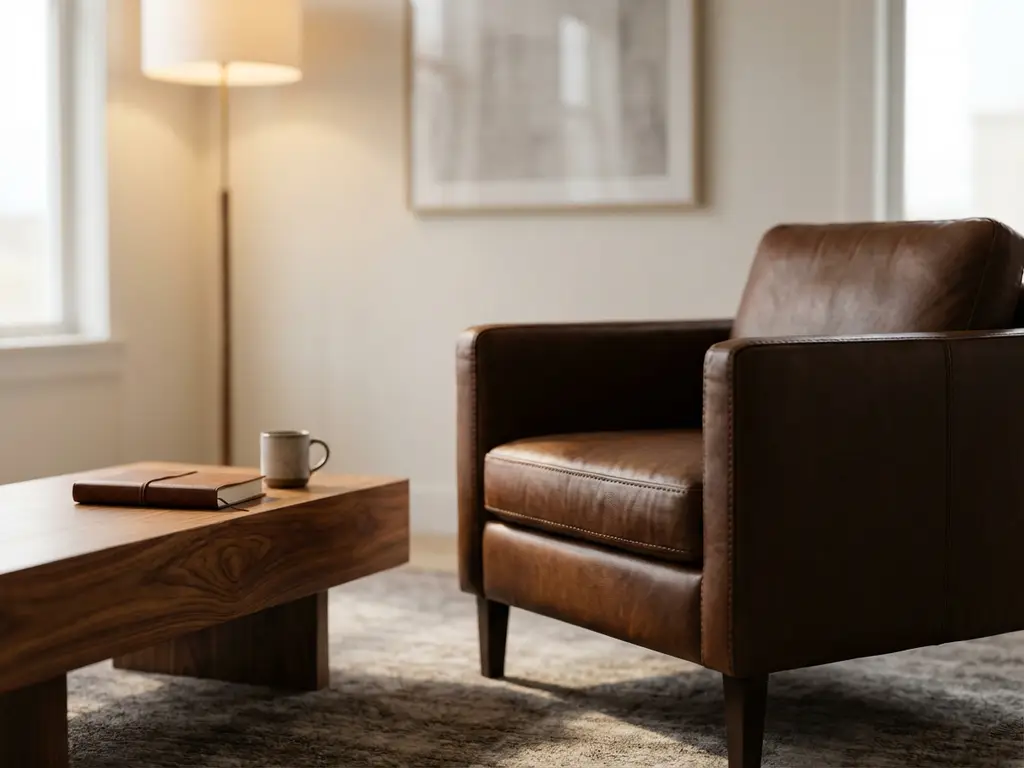
3D product rendering creates photorealistic digital representations of products using computer graphics technology. It transforms how businesses showcase their products by eliminating the limitations of traditional photography and enabling virtually unlimited customisation. 3D rendering reduces costs, accelerates time to market, and delivers interactive experiences that boost customer engagement and conversion rates across all sales channels.
What is 3D product rendering, and why is it revolutionising e-commerce?
3D product rendering uses advanced computer graphics to create photorealistic digital images of products without the need for physical photography. This technology generates highly detailed visual representations that are indistinguishable from traditional photographs, complete with accurate textures, lighting, and shadows.
It is revolutionising e-commerce by solving fundamental challenges that have long plagued online retail. Traditional product photography requires physical samples, professional studios, and extensive post-production work. Every product variant needs a separate photoshoot, creating bottlenecks and limiting customisation options.
3D rendering eliminates these constraints entirely. Businesses can showcase unlimited product variations, colours, and configurations instantly. Customers can interact with products in ways that are impossible with static photography—rotating items 360 degrees, zooming in on details, and customising features in real time. This interactive experience bridges the gap between online and in-store shopping, reducing purchase hesitation and returns.
The impact extends beyond visual appeal. 3D rendering enables dynamic pricing displays, instant inventory visualisation, and personalised product experiences that adapt to individual customer preferences.
How does 3D product rendering reduce costs compared to traditional photography?
3D product rendering significantly reduces costs by eliminating recurring photography expenses and enabling unlimited variations from a single digital model. Traditional photography requires new photoshoots for every product variant, colour, or configuration change, whereas 3D rendering can generate countless variations instantly.
Traditional photography involves substantial recurring costs, including studio rental, professional photographers, lighting equipment, and post-production editing. Each product variant requires separate setup and shooting time. For businesses with extensive product catalogues or frequent updates, these costs accumulate rapidly.
3D rendering requires an initial investment in model creation but eliminates ongoing photography expenses. Once a digital model exists, businesses can generate unlimited images across different angles, lighting conditions, and environments. Product variations such as colour changes, material swaps, or configuration adjustments happen instantly, without additional photography costs.
The scalability advantages become pronounced with larger product ranges. A furniture manufacturer with 50 sofa configurations would traditionally need 50 separate photoshoots. With 3D rendering, one digital model can generate all variations automatically. This scalability extends to seasonal updates, new colour launches, and marketing campaigns that require different visual styles.
What are the main advantages of 3D product configurators for customer experience?
3D product configurators enable customers to customise products interactively while seeing changes instantly in photorealistic detail. This real-time visualisation eliminates guesswork and builds confidence in purchase decisions by showing exactly what customers will receive.
Interactive configurators transform passive browsing into engaging experiences. Customers can modify colours, materials, sizes, and features while watching their choices update immediately. This hands-on approach mimics physical product interaction, addressing the primary limitation of online shopping.
The technology reduces purchase uncertainty by closing the imagination gap. Instead of wondering how a blue sofa looks with wooden legs, customers can see the exact combination rendered photorealistically. This clarity reduces returns and increases customer satisfaction.
Configurators also enable complex product customisation that would be impossible to photograph comprehensively. A configurable product with ten colour options, five materials, and three sizes would require 150 separate photographs. 3D configurators handle this complexity effortlessly while maintaining visual quality.
The interactive nature increases engagement time and strengthens customers’ emotional connection with products. Customers invest time customising items to their preferences, creating a sense of psychological ownership before purchase.
How do businesses implement 3D product rendering across different sales channels?
Businesses implement 3D product rendering through integrated platforms that work seamlessly across websites, mobile applications, and physical retail environments. Modern solutions use responsive technology that adapts to different devices while maintaining consistent visual quality and functionality.
Web integration typically involves embedding 3D viewers directly into product pages. These viewers load quickly and provide smooth interaction across desktop and mobile devices. The technology integrates with existing e-commerce platforms without requiring a complete website overhaul.
Mobile implementation focuses on touch-optimised interfaces that work smoothly on smartphones and tablets. Responsive design ensures configurators function effectively regardless of screen size while maintaining fast loading times that are crucial for mobile users.
Physical retail integration brings digital experiences into stores through interactive displays and tablets. Sales staff can guide customers through configuration options while demonstrating products that may not be physically available in-store. This approach combines digital flexibility with personal service.
Omnichannel strategies ensure consistency across all touchpoints. Customers can start configuring products on mobile devices and continue on desktop or in-store without losing their customisation progress. This seamless experience strengthens brand perception and reduces friction in the buying journey.
What industries benefit most from 3D product visualisation technology?
The furniture and interior design industries benefit most from 3D product visualisation due to high customisation demands and the significance of purchase decisions. These sectors deal with complex products where customers need to visualise how items fit their spaces and align with their personal preferences.
The furniture industry particularly benefits because products often have numerous configuration options, including fabrics, colours, sizes, and modular components. Traditional photography cannot economically capture every combination, whereas 3D rendering handles virtually unlimited variations effortlessly.
The automotive industry uses 3D visualisation for vehicle configuration, allowing customers to customise exterior colours, interior materials, and optional features. The high-value nature of automotive purchases makes interactive visualisation particularly valuable for building purchase confidence.
Fashion and jewellery sectors benefit from 3D rendering’s ability to showcase products in various colours and materials without requiring physical samples. Luxury brands, in particular, value the technology’s ability to maintain premium visual quality while reducing photography costs.
Electronics and manufacturing industries use 3D visualisation for complex products where customers need to understand functionality and configuration options. Technical products benefit from interactive demonstrations that traditional photography cannot provide effectively.
How 3dimerce helps with 3D product rendering
We specialise in creating high-quality 3D product configurators that transform how businesses showcase and sell configurable products. Our platform delivers stunning visual experiences with blazing-fast performance across all devices, enabling brands to present their products with unprecedented detail and interactivity.
Our comprehensive solution addresses the key challenges discussed throughout this article:
- Cost reduction: Eliminate recurring photography expenses with scalable 3D rendering technology.
- Enhanced customer experience: Provide interactive product configuration with real-time visualisation.
- Omnichannel integration: Deploy seamlessly across websites, mobile apps, and retail environments.
- Premium quality: Deliver photorealistic visuals that meet luxury brand standards.
- Technical excellence: Ensure fast loading times and smooth performance on all devices.
Our platform integrates Configure, Price, Quote (CPQ) functionality with dynamic point-of-sale tools, streamlining the entire journey from product customisation to purchase completion. We focus on sophisticated, high-end markets where visual quality and user experience are paramount.
Ready to transform your product visualisation strategy? Contact our team to discover how our 3D product rendering solutions can elevate your brand and boost conversion rates.
Related Articles
- What is the difference between 3D product rendering and traditional photography?
- How does 3D product rendering benefit furniture and interior brands?
- What are 3D product rendering best practices?
- How does 3D product rendering improve customer experience?
- How does 3D product rendering support the omnichannel customer journey?