
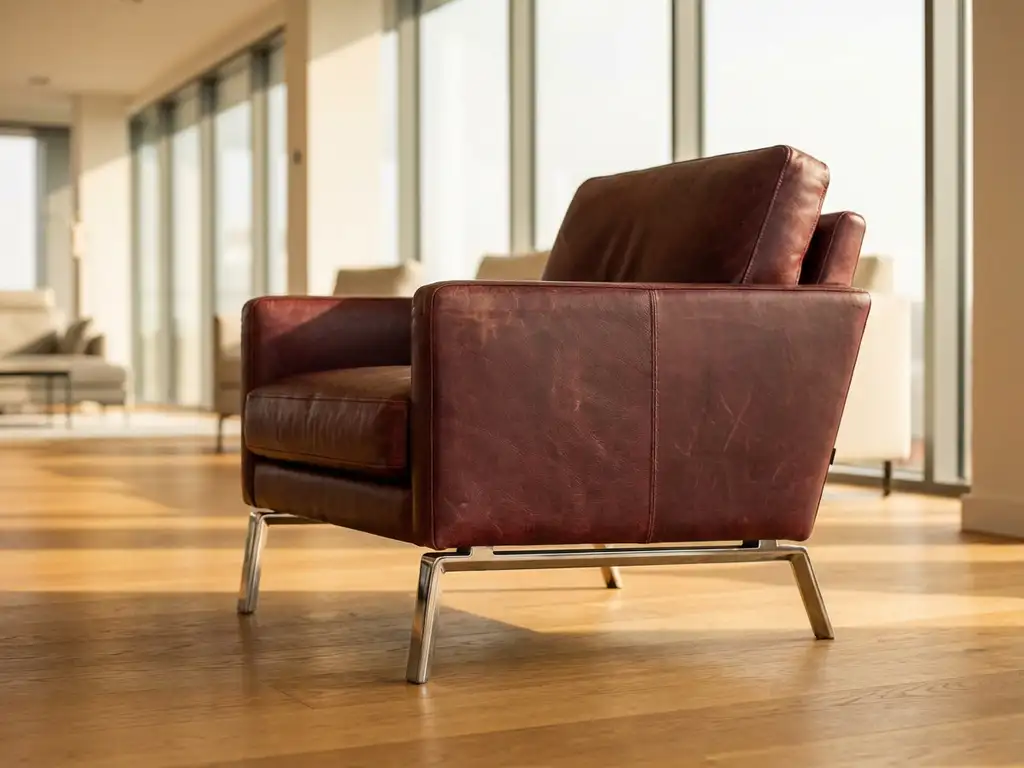
Multiple industries benefit significantly from 3D product rendering, particularly the manufacturing, retail, and e-commerce sectors that deal with complex or customizable products. This technology transforms how businesses visualize, market, and sell their products by creating photorealistic digital images without traditional photography. Industries with configurable products, high-value items, or extensive product variants see the most dramatic improvements in efficiency and customer engagement.
What is 3D product rendering, and why are industries adopting it?
3D product rendering is a technology that creates photorealistic digital images from three-dimensional computer models, eliminating the need for traditional product photography. The process involves building detailed 3D models of products and using specialized software to generate high-quality images with realistic lighting, textures, and materials.
Industries are rapidly adopting this technology due to several compelling business drivers. Cost reduction is the primary motivator, as companies can eliminate expensive photo shoots, physical prototypes, and extensive sample libraries. The speed-to-market advantage allows businesses to create marketing materials before products are physically manufactured.
Enhanced customer experience is another crucial factor driving adoption. Interactive 3D visualizations allow customers to explore products from every angle, customize configurations in real time, and make more confident purchasing decisions. This technology particularly benefits businesses with complex products that require detailed explanation or demonstration.
Scalability is invaluable for companies with extensive product ranges. Rather than photographing every variant and configuration, businesses can generate unlimited visual content from their 3D models, maintaining consistency across all marketing channels.
Which manufacturing industries see the biggest impact from 3D rendering?
Furniture and interior design manufacturers experience the most significant transformation from 3D rendering technology. These industries deal with countless fabric options, finishes, and configurations that would be impossible to photograph comprehensively. 3D product rendering allows them to showcase every possible combination instantly.
Automotive parts manufacturers benefit enormously from detailed technical visualizations that demonstrate how components fit together. Complex assemblies become easier to understand when customers can view exploded views and cutaway sections that reveal internal mechanisms.
Electronics manufacturers use 3D rendering to display products that have not yet been manufactured, enabling pre-orders and market testing. The technology helps visualize intricate details such as circuit boards, connection ports, and internal components that traditional photography struggles to capture effectively.
Machinery and industrial equipment manufacturers rely on 3D rendering to demonstrate large, expensive equipment that is difficult to transport to trade shows. Virtual demonstrations allow potential customers to explore complex machinery without the logistical challenges of physical displays.
Consumer goods manufacturers with multiple product variants find 3D rendering essential for maintaining visual consistency across their entire product range while reducing the time and cost associated with traditional product photography.
How does 3D product visualization transform retail and e-commerce?
3D product visualization revolutionizes online shopping by providing customers with interactive experiences that closely mirror in-person product examination. Shoppers can rotate products 360 degrees, zoom in on details, and explore different configurations, significantly reducing uncertainty in online purchases.
Virtual showrooms created through 3D rendering allow retailers to display entire product collections without physical space limitations. Customers can browse comprehensive catalogs and see products in realistic room settings, helping them visualize how items will look in their own spaces.
The technology dramatically improves conversion rates by addressing the primary concern of online shopping: the inability to properly examine products before purchase. Interactive product configurators enable customers to customize products and see changes instantly, creating engaging shopping experiences.
Reduced return rates are a significant benefit for e-commerce businesses. When customers can thoroughly examine products virtually and see exactly what they are purchasing, the likelihood of returns due to unmet expectations decreases substantially.
Cross-channel consistency becomes achievable through 3D rendering, as the same visual assets can be used across websites, mobile apps, social media, and even physical retail displays, creating cohesive brand experiences.
What makes certain product types ideal for 3D rendering solutions?
Configurable products with multiple options are ideal candidates for 3D rendering solutions. Items such as furniture, vehicles, or machinery with various colors, materials, and feature combinations benefit enormously from interactive visualization that shows all possible configurations instantly.
Complex assemblies that are difficult to photograph effectively gain significant value from 3D rendering. Products with intricate internal mechanisms, multiple components, or technical details that require exploded views or cutaway sections are better showcased through digital visualization.
Expensive items requiring detailed examination before purchase see substantial benefits from 3D rendering. High-value products such as luxury furniture, industrial equipment, or specialized machinery justify the investment in detailed 3D models that help customers make confident purchasing decisions.
Products with extensive variant ranges become much more manageable through 3D rendering. Instead of photographing hundreds or thousands of combinations, businesses can generate unlimited variations from their base 3D models, maintaining visual consistency while reducing production costs.
Items that are difficult or expensive to transport, such as large machinery or architectural elements, benefit from virtual demonstration capabilities that eliminate logistical challenges while providing comprehensive product exploration.
How does 3dimerce help businesses implement 3D product rendering?
We provide a comprehensive visual product experience platform that transforms how European manufacturers and retailers present their products through advanced 3D product rendering technology. Our solution combines visual product configuration, computer-generated imagery, and virtual photo studio capabilities into a seamless, integrated platform.
Our key features include:
- Visual Product Configuration: Interactive configurators that allow customers to customize products in real time
- High-quality CGI imagery creation that matches or exceeds traditional photography standards
- Virtual photo studio capabilities for generating unlimited product variations
- Seamless integration with existing e-commerce platforms and point-of-sale systems
- Omnichannel deployment across web, mobile, and retail environments
With over 20 years of experience in virtual art and design, we specialize in creating stunning visuals that load blazing fast while maintaining the highest quality standards. Our platform particularly benefits furniture, interior design, and luxury product manufacturers that require premium visual solutions that reflect their brand positioning.
Ready to transform your product visualization strategy? Contact our team to discuss how our 3D product rendering solutions can enhance your customer experience and streamline your visual content production.