
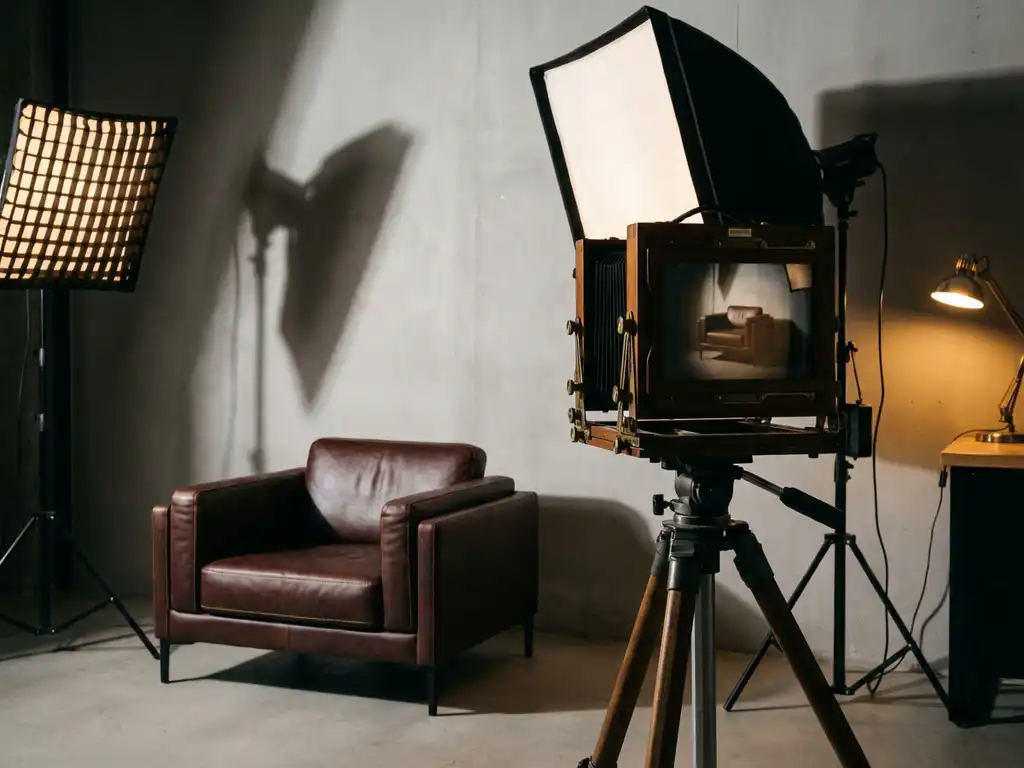
3D product rendering creates photorealistic images using computer software and digital models, while traditional photography captures physical products with cameras and lighting equipment. The key difference lies in flexibility: 3D rendering allows unlimited variations, precise lighting control, and instant modifications without reshooting. This comparison explores the practical differences, costs, and quality considerations to help you choose the right approach for your business needs.
What exactly is 3D product rendering, and how does it differ from photography?
3D product rendering uses specialized software to create photorealistic images from digital 3D models, while traditional photography captures physical products using cameras, lighting, and studio setups. The fundamental difference lies in the creation process: rendering builds images digitally from scratch, while photography requires physical products and controlled environments.
The creation process differs significantly between these methods. Traditional photography demands physical prototypes, studio space, professional lighting equipment, and skilled photographers. Every product variation requires a separate photoshoot, multiple setups, and careful coordination of logistics.
3D rendering starts with creating detailed digital models of your products. Once built, these models can generate unlimited images from any angle, under any lighting conditions, and in countless variations. Changes happen instantly through software adjustments rather than expensive reshoots.
Output flexibility represents another crucial difference. Photography produces fixed images that cannot be modified without additional shoots. Rendering offers infinite possibilities: different colors, materials, configurations, and environments can be created on demand. This flexibility proves particularly valuable for businesses with extensive product ranges or customizable offerings.
Why are businesses switching from traditional photography to 3D rendering?
Businesses switch to 3D rendering primarily for cost efficiency and scalability. Once initial 3D models are created, generating hundreds of product variations costs significantly less than organizing multiple photoshoots. Companies can showcase their entire product range without the logistical complexity of traditional photography.
Faster time to market drives many businesses toward rendering solutions. Traditional photography requires weeks of planning, shooting, and post-production. 3D rendering can produce marketing-ready images within days of receiving product specifications, enabling quicker product launches and marketing campaigns.
The ability to showcase infinite product variations without physical prototypes revolutionizes how businesses approach product visualization. Furniture manufacturers can display every possible fabric, finish, and configuration combination. Electronics companies can show products in multiple colors before manufacturing begins.
Consistency across all marketing channels becomes achievable with 3D rendering. Every image maintains identical lighting, angles, and quality standards. This consistency strengthens brand perception and creates professional-looking catalogs, websites, and marketing materials.
Environmental control offers another significant advantage. 3D rendering eliminates weather dependencies, studio availability issues, and shipping delays for product samples. Marketing teams can generate the required images on demand without external constraints.
What are the cost differences between 3D rendering and traditional photography?
3D rendering typically requires a higher upfront investment for model creation and software setup, but delivers lower long-term costs per image. Traditional photography has lower initial costs but becomes expensive when multiple variations and regular updates are needed.
Per-image expenses reveal the true cost difference. Traditional photography costs include studio rental, photographer fees, equipment, lighting setup, and post-production editing for each shoot. These costs multiply with every product variation or angle required.
3D rendering fees focus on initial model creation, which can range from hundreds to thousands of pounds depending on complexity. However, once models exist, generating additional images costs significantly less than organizing new photoshoots.
Hidden costs in traditional photography often surprise businesses. These include product shipping to studios, potential damage during transport, storage costs for physical samples, and reshoot expenses when changes are needed. Weather delays, equipment failures, and scheduling conflicts can increase costs unpredictably.
ROI considerations vary by business size and product complexity. Companies with extensive product ranges, frequent updates, or customizable products typically see faster returns from 3D rendering investments. Businesses with simple, unchanging product lines might find traditional photography more cost-effective initially.
Long-term scalability costs favor 3D rendering significantly. Adding new products to an existing 3D library costs less than organizing entirely new photoshoots. Updates, seasonal variations, and marketing campaign images can be generated quickly without additional major expenses.
How does the quality of 3D rendering compare to traditional photography?
Modern 3D rendering achieves photorealistic quality that often matches or exceeds traditional photography. Advanced rendering engines simulate realistic lighting, shadows, reflections, and material properties with remarkable accuracy. The quality gap between rendering and photography has narrowed considerably with technological improvements.
Visual realism capabilities in 3D rendering excel in certain areas. Precise lighting control eliminates harsh shadows, unwanted reflections, or color temperature issues common in traditional photography. Every surface texture, material property, and environmental detail can be precisely controlled.
Consistency across product variations represents a significant quality advantage for 3D rendering. Every image maintains identical lighting conditions, angles, and overall aesthetic. Traditional photography struggles to achieve this consistency across multiple shoots, different days, or various locations.
Lighting control in 3D rendering surpasses traditional photography’s limitations. Renderers can create impossible lighting scenarios, eliminate unwanted shadows, and achieve perfect product illumination. Traditional photography depends on physical lighting equipment and environmental constraints.
Perfect shots become achievable with 3D rendering in ways that are impossible with traditional photography. Products can be shown from any conceivable angle, in perfect focus throughout, with ideal proportions and positioning. Physical limitations disappear when working in digital environments.
However, traditional photography still excels at capturing authentic material textures and natural imperfections that add character to products. Some materials, particularly fabrics and organic surfaces, can appear more natural when photographed rather than rendered, though this gap continues to close.
Which method should you choose for your product visualization needs?
Choose 3D rendering if you have multiple product variations, frequent updates, or complex customizable products. Businesses requiring consistent imagery across many channels, or those with tight timeline demands, benefit most from rendering solutions. Traditional photography works better for simple product lines with infrequent changes.
Business type considerations include your industry requirements and customer expectations. Fashion and lifestyle brands might prefer photography’s authentic feel, while furniture and electronics companies often benefit from rendering’s flexibility and consistency.
Product complexity affects the decision significantly. Simple products with few variations suit traditional photography well. Complex, configurable, or highly technical products with numerous options work better with 3D rendering approaches.
Budget constraints require careful evaluation of both upfront and ongoing costs. Consider your total imaging needs over 2–3 years rather than immediate expenses. Factor in potential reshoot costs, storage requirements, and scalability needs when making budget comparisons.
Timeline requirements often determine the best approach. Traditional photography needs advance planning, scheduling coordination, and weather considerations. 3D rendering offers more predictable timelines and faster turnaround for additional images once initial models exist.
Long-term scalability needs should heavily influence your decision. Growing businesses with expanding product lines typically benefit from 3D rendering solutions that scale efficiently. Established businesses with stable product ranges might find traditional photography sufficient.
How 3dimerce helps with advanced product visualization solutions
We specialize in creating sophisticated 3D product configurators that transform how businesses showcase their products online and in retail environments. Our comprehensive platform combines high-quality 3D rendering with interactive configuration tools, enabling customers to visualize and customize products in real time.
Our solution offers several key advantages for manufacturers and retailers:
- Photorealistic 3D models that showcase products with stunning visual quality and blazing-fast performance
- Interactive configuration tools that allow customers to customize products and see changes instantly
- Omnichannel integration that works seamlessly across websites, mobile devices, and in-store displays
- Scalable content generation that eliminates the need for extensive product photography
- CPQ integration that streamlines the entire sales process from visualization to purchase
Our platform integrates seamlessly with existing e-commerce systems and retail environments, providing a unified experience across all customer touchpoints. The technology enables businesses to showcase infinite product variations without the costs and limitations of traditional photography.
For businesses ready to modernize their product visualization approach, we offer tailored solutions that match your specific industry needs and technical requirements. Learn about our expertise in delivering cutting-edge visualization solutions. Explore our successful implementations across various industries, or contact us to discuss how our 3D product configurator can transform your customer experience and streamline your visual content production.
Related Articles
- How does 3D product rendering reduce customer support queries?
- How does 3D product rendering support the omnichannel customer journey?
- What is the process for implementing 3D product rendering?
- What is the impact of 3D product rendering on the customer buying journey?
- What is the future of 3D product rendering in 2026?