
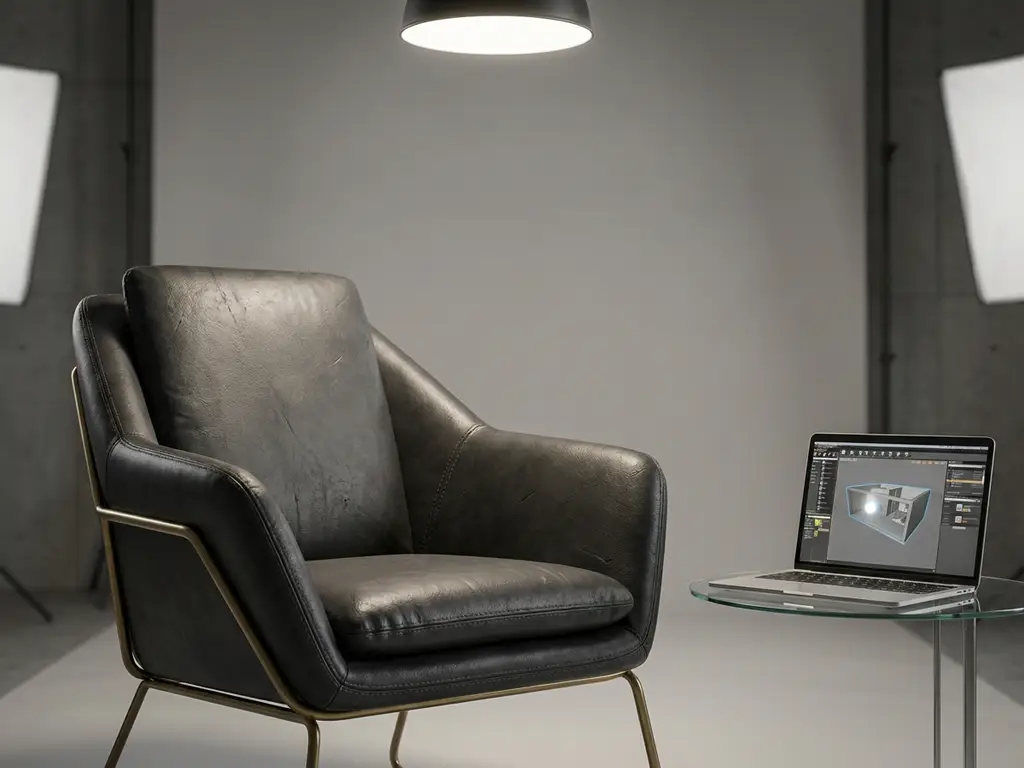
3D product rendering creates photorealistic digital images of products using computer graphics technology instead of traditional photography. This approach offers superior flexibility, cost efficiency, and consistency across marketing channels. Modern 3D rendering produces images that are often indistinguishable from photographs while allowing unlimited customisation and rapid iteration for marketing campaigns.
What exactly is 3D product rendering, and why does it matter for marketing?
3D product rendering is a digital process that creates realistic images of products using computer-generated imagery (CGI). Unlike traditional photography, which captures physical products in real environments, 3D rendering builds products digitally using specialised software to simulate lighting, textures, and materials.
The technology differs fundamentally from photography because it creates products virtually before they exist physically. This means you can visualise products in any colour, material, or configuration without manufacturing samples or setting up costly photoshoots. The rendering process involves creating a digital 3D model of your product, applying realistic materials and textures, and placing it in virtual environments with controlled lighting.
Marketing benefits include significant cost efficiency compared to traditional photography. Once you create a 3D model, you can generate unlimited variations without additional photoshoot expenses. This flexibility allows a rapid response to market demands and seasonal campaigns. Visual consistency across all marketing channels becomes achievable since every image originates from the same digital source, ensuring brand coherence whether customers encounter your products online, in catalogues, or in-store displays.
How does 3D rendering improve customer engagement compared to traditional product images?
3D rendering significantly increases customer engagement through interactive features that static photography cannot provide. Customers can rotate products 360 degrees, zoom into details, and customise colours or materials in real time, creating an immersive shopping experience that holds attention longer.
Interactive capabilities transform passive viewing into active exploration. When customers can manipulate product views and see immediate changes to customisations, they develop stronger emotional connections to products. This hands-on experience builds confidence in purchase decisions because customers feel they truly understand what they’re buying.
The realistic quality of modern 3D rendering captures attention more effectively than standard product photography. Advanced rendering solutions create images with perfect lighting, flawless surfaces, and ideal compositions that would be expensive or impossible to achieve with traditional photography. This visual appeal increases time spent viewing products and encourages sharing on social media platforms.
Trust building occurs naturally when customers can examine products thoroughly through interactive 3D experiences. The transparency of allowing complete product exploration reduces purchase anxiety and return rates while increasing customer satisfaction with their buying decisions.
What technical factors make 3D product rendering look realistic and professional?
Realistic 3D product rendering depends on sophisticated lighting techniques that simulate natural and artificial light sources accurately. Professional rendering uses multiple light types, including key lights, fill lights, and rim lights, to create depth and dimension while avoiding harsh shadows or unrealistic brightness.
Texture mapping applies surface details that make materials look authentic. This involves photographing real materials like fabric weaves, wood grains, or metal finishes and applying them to 3D models with proper scaling and positioning. Material properties, including reflectivity, transparency, and surface roughness, must match real-world characteristics precisely.
Environmental settings contribute significantly to realism through background elements, ambient lighting, and atmospheric effects. Professional renderings place products in believable contexts that enhance their appeal while maintaining focus on the product itself.
Resolution and rendering quality directly impact marketing effectiveness. High-resolution outputs ensure crisp details when customers zoom in, while proper anti-aliasing eliminates jagged edges that could appear unprofessional. Colour accuracy remains crucial since customers make decisions based on what they see, requiring careful calibration throughout the rendering pipeline.
Which types of products benefit most from 3D rendering in marketing campaigns?
Configurable products gain the most significant advantage from 3D rendering because they offer multiple options that would be expensive to photograph individually. Furniture, automotive products, and custom-manufactured items with various colours, materials, or components benefit enormously from interactive visualisation.
Complex technical products that require detailed explanation perform well with 3D rendering. Industrial equipment, electronics, and machinery can be shown with cutaway views, exploded diagrams, or animated demonstrations that reveal internal workings impossible to capture with traditional photography.
Luxury and design-focused products leverage 3D rendering’s ability to create perfect conditions consistently. High-end furniture, jewellery, and fashion items can be presented with flawless lighting and composition that maintains brand positioning across all marketing materials.
Products that are difficult or expensive to photograph traditionally find 3D rendering particularly valuable. Large items like buildings or vehicles, dangerous products requiring special handling, or items that don’t photograph well under normal conditions all benefit from digital visualisation approaches. Various use cases demonstrate how different industries maximise these advantages.
How do you measure the marketing effectiveness of 3D product rendering?
The marketing effectiveness of 3D product rendering is measured through key performance indicators, including conversion rates, engagement metrics, and customer behaviour analytics. These measurements compare performance before and after implementing 3D visualisation to quantify impact accurately.
Conversion rates typically improve when customers can interact with products through 3D rendering. Track metrics like add-to-cart rates, checkout completion, and overall purchase conversion to measure direct sales impact. Time spent on product pages often increases significantly with interactive 3D content, indicating higher engagement levels.
Customer feedback provides qualitative insights into rendering effectiveness. Monitor reviews mentioning product visualisation, support inquiries about product details, and return rates related to product expectations. A/B testing methods compare traditional photography with 3D rendering for similar products to isolate the impact of visualisation technology.
ROI calculation approaches consider both cost savings and revenue increases. Calculate savings from reduced photography costs, faster time to market, and decreased return rates. Compare these against implementation costs and ongoing rendering expenses to determine overall return on investment. Social media engagement metrics, including shares, likes, and comments, often increase with visually appealing 3D content, extending marketing reach organically.
How 3dimerce helps with effective 3D product rendering for marketing
We specialise in creating marketing-effective 3D product visualisations through our comprehensive SaaS platform that combines stunning visual quality with blazing-fast performance. Our approach focuses on the luxury and high-end market segment, delivering photorealistic rendering that maintains premium brand positioning across all marketing channels.
Our platform capabilities include:
- Interactive product configurators that allow real-time customisation
- Seamless integration with existing e-commerce and in-store systems
- High-quality CGI imagery optimised for various marketing applications
- Virtual showroom creation for immersive customer experiences
- Omnichannel consistency ensuring brand coherence across all touchpoints
With over 20 years of experience serving European brands, we understand the specific requirements of design-led manufacturers and luxury retailers. Learn about our company and how our tailored solutions scale with your product range without proportional cost increases, making sophisticated 3D rendering accessible and sustainable for growing businesses.
Ready to transform your product marketing with professional 3D rendering? Contact our team to discuss how our platform can enhance your product visualisation strategy and drive measurable marketing results.