
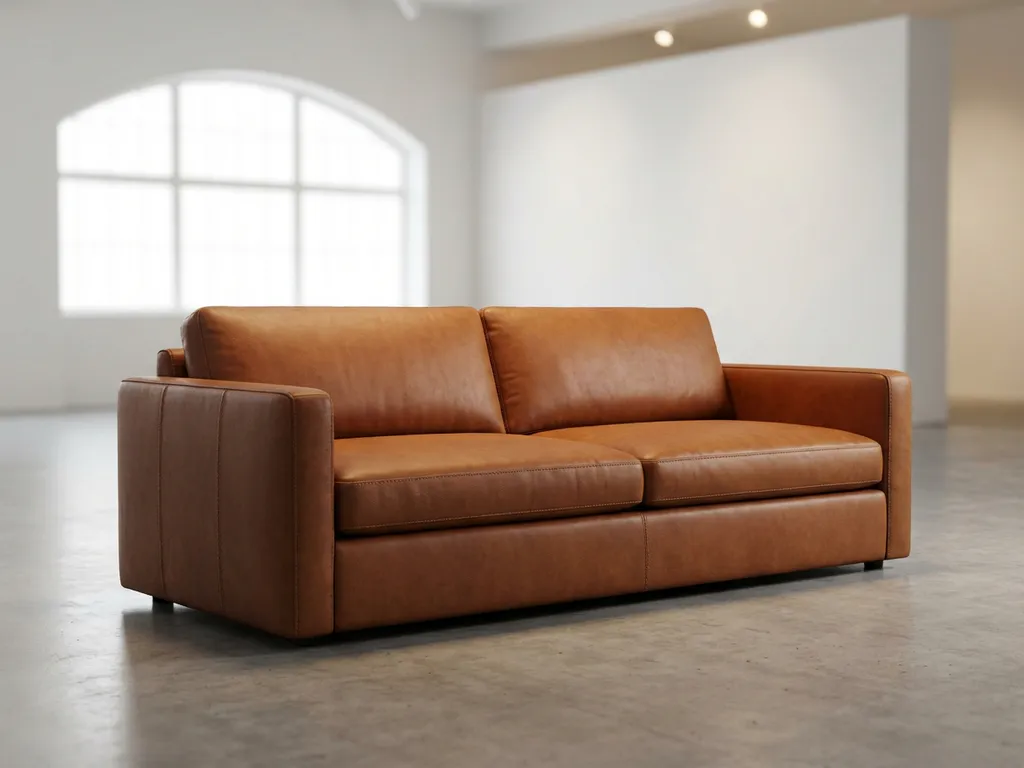
3D product rendering creates photorealistic digital images and interactive models from 3D data, allowing businesses to showcase products without physical photography. This technology transforms how companies visualise, customise, and sell products across digital channels. Modern businesses use 3D rendering to reduce costs, accelerate time to market, and provide immersive customer experiences that drive sales.
What exactly is 3D product rendering, and how does it work?
3D product rendering is the process of creating photorealistic images and interactive models from digital 3D data using specialised software and computer graphics technology. Artists and designers build detailed 3D models, apply materials and textures, set up lighting conditions, and render final images that are often indistinguishable from traditional photography.
The workflow begins with 3D modelling, where designers create accurate digital representations of products using CAD data or physical measurements. These models include every detail, from surface textures to internal components. Next comes material application, where digital materials simulate real-world properties such as metal, fabric, or wood grain.
Lighting setup follows, recreating natural or studio lighting conditions to achieve realistic shadows, reflections, and highlights. The final rendering process uses powerful computers to calculate how light interacts with surfaces, producing images with stunning visual fidelity.
Businesses integrate this technology into their workflows through cloud-based platforms that connect with existing e-commerce systems, product databases, and marketing tools. Teams can generate thousands of product images, create interactive configurators, and update visuals instantly when product specifications change.
Why are businesses switching from traditional photography to 3D rendering?
Businesses are switching because 3D rendering offers superior scalability, cost efficiency, and flexibility compared to traditional product photography. A single 3D model can generate unlimited images from different angles, under different lighting conditions, and across product configurations—without additional photoshoots.
Traditional photography requires physical samples, professional studios, lighting equipment, and extensive post-production work for each product variant. This becomes extremely costly when dealing with customisable products that have multiple colour, material, or configuration options. A furniture company with 50 sofa styles and 20 fabric choices would need 1,000 individual photographs using traditional methods.
3D rendering eliminates these constraints by creating one master model that can showcase every possible combination instantly. Changes to product specifications, new colour options, or design updates can be implemented digitally without reshoot costs or delays.
Speed to market represents another significant advantage. Traditional photography often requires weeks to coordinate shoots, process images, and deliver final assets. 3D rendering can produce new product visuals within days, enabling faster product launches and more agile marketing campaigns.
Visual Commerce Solutions
Talk to our team about your project.
What types of businesses benefit most from 3D product rendering?
Furniture and interior design companies see the greatest impact from 3D rendering, particularly those offering customisable products with multiple material, colour, and configuration options. These businesses can showcase thousands of product combinations without maintaining expensive physical sample libraries.
Automotive manufacturers and dealers use 3D rendering to display vehicle configurations with different paint colours, wheel options, and interior specifications. Customers can explore every possible combination before making purchase decisions, improving satisfaction and reducing returns.
Fashion and footwear brands benefit when selling products with multiple colour and material variations. Electronics manufacturers use rendering to showcase products from every angle and demonstrate features that would be difficult to capture through traditional photography.
Manufacturing companies with complex or industrial products find 3D rendering particularly valuable for creating technical visualisations, exploded views, and cutaway images that reveal internal components. These use cases demonstrate how various industries leverage visual product configuration technology.
Premium brands across all sectors benefit from rendering’s ability to maintain consistent, high-quality visual standards across all marketing channels while reducing production costs and timelines.
How does 3D product rendering impact sales and customer experience?
3D product rendering significantly improves conversion rates by providing customers with detailed, interactive product experiences that build confidence in purchase decisions. When customers can rotate, zoom, and customise products in real time, they develop a better understanding of what they’re buying, leading to higher satisfaction and fewer returns.
Interactive product visualisation addresses the primary challenge of online shopping: the inability to physically examine products. High-quality 3D rendering with realistic materials, lighting, and proportions helps bridge this gap by providing visual information that static photography cannot match.
The psychology behind interactive visualisation shows that customers who actively engage with products through configuration tools feel more invested in the purchase process. This engagement creates an emotional connection and a sense of ownership before the actual transaction occurs.
Reduced return rates represent a measurable business benefit. When customers can see exactly how products will look in different configurations or environments, they make more informed decisions that align with their actual needs and preferences.
Sales teams benefit from rendering technology through improved presentation tools that help guide customers through complex product options. Interactive configurators simplify navigation and reduce the expertise required to explain product variations effectively.
What should businesses consider when implementing 3D product rendering?
Integration requirements should be your first consideration when implementing 3D product rendering. The system needs to connect seamlessly with existing e-commerce platforms, product databases, and content management systems to ensure smooth workflow adoption without disrupting current operations.
Content creation workflows require careful planning to establish efficient processes for building 3D models, applying materials, and generating rendered outputs. Consider whether you’ll develop capabilities internally or partner with experienced providers who can deliver professional results from day one.
Team training needs vary depending on your chosen approach. If building internal capabilities, staff will need training in 3D modelling software, rendering techniques, and platform management. External partnerships may require less internal training but need clear communication protocols.
Timeline expectations should be realistic regarding implementation phases. Initial setup and first product models typically take several weeks, while building comprehensive product libraries may require several months. However, once established, the system enables rapid generation of new visuals.
Quality standards must be defined early to ensure rendered outputs meet your brand requirements. This includes establishing guidelines for lighting, materials, image resolution, and visual consistency across all product categories.
Budget considerations should account for initial setup costs, ongoing platform fees, and content creation expenses. While the upfront investment may be significant, most businesses see a positive return through reduced photography costs and improved conversion rates within the first year.
How 3Dimerce helps with 3D product rendering solutions
We specialise in creating comprehensive 3D product configuration platforms that transform how businesses showcase and sell their products. Our solutions combine advanced rendering technology with intuitive configurator tools, enabling companies to deliver stunning visual experiences across all sales channels.
Our platform offers:
- High-quality 3D rendering with photorealistic materials, lighting, and textures
- Interactive product configurators for complex customisation options
- Seamless integration with existing e-commerce and sales systems
- Cloud-based delivery, ensuring fast performance across all devices
- Comprehensive support from initial setup through ongoing optimisation
With over 20 years of experience serving premium brands across Europe, we understand the unique challenges of maintaining visual quality while scaling product visualisation. Our experienced team enables businesses to eliminate dependence on costly photography while delivering superior customer experiences that drive sales growth.
Ready to transform your product visualisation strategy? Contact us to discover how our 3D rendering solutions can enhance your business operations and customer engagement.