
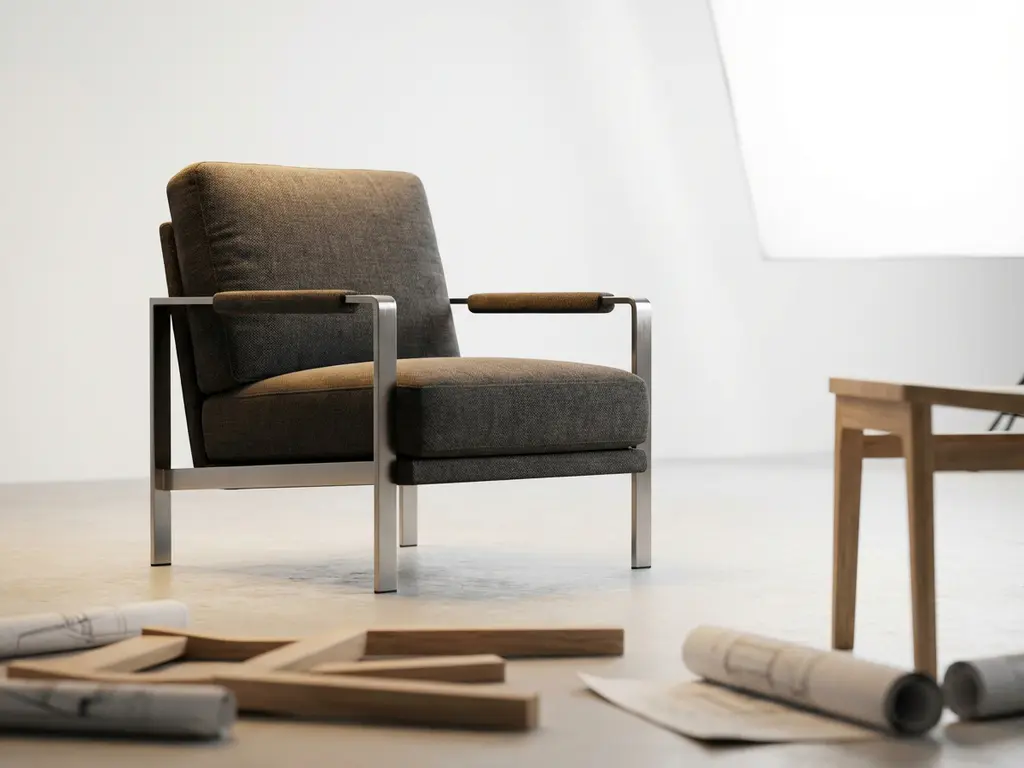
3D product rendering solves critical manufacturing challenges, including costly traditional photography, reliance on physical prototypes, and inconsistent visual content across sales channels. It eliminates time-consuming photoshoots, reduces development costs, and enables instant visualization of product customization. Modern manufacturers face mounting pressure to showcase extensive product variations efficiently while maintaining premium brand quality across all touchpoints.
What are the biggest challenges product manufacturers face with traditional photography?
Traditional photography creates significant cost inefficiencies and logistical complexities for product manufacturers managing extensive product ranges. Every product variant, color option, and configuration requires a separate photoshoot, resulting in exponentially increasing costs and extended time-to-market delays.
The primary challenges include substantial upfront investment in professional photography equipment, studio space, and skilled photographers. Each product modification demands new photography sessions, creating ongoing operational expenses that scale poorly with product variety. Logistics become increasingly complex when coordinating multiple products, lighting setups, and seasonal updates.
Time constraints present another major obstacle. Traditional photography workflows require careful planning, setup time, multiple takes, and post-production editing. This process can take weeks or months for comprehensive product catalogs, delaying product launches and reducing market responsiveness.
Scalability issues emerge when manufacturers expand their product lines or enter new markets. The photography infrastructure that works for limited product ranges becomes prohibitively expensive and time-consuming for diverse catalogs with hundreds or thousands of variants.
How does 3D product rendering eliminate the need for physical prototypes?
3D product rendering replaces costly physical prototypes with digital models that accurately represent final products before manufacturing begins. This technology enables manufacturers to visualize, test, and refine designs without investing in expensive physical samples or tooling.
Digital models allow instant design iterations and modifications. Manufacturers can adjust colors, materials, dimensions, and features within hours rather than the weeks required for physical prototype production. This acceleration dramatically reduces development time and enables a rapid response to market feedback or design requirements.
The technology enables comprehensive product visualization from multiple angles, lighting conditions, and environmental contexts. Manufacturers can showcase products in realistic settings, demonstrate functionality, and highlight key features without building physical demonstration units.
Cost savings are substantial when physical prototype production, storage, and shipping are eliminated. Digital models can be shared instantly with global teams, distributors, and customers without logistical complexities. This efficiency particularly benefits manufacturers with complex products that require multiple development iterations.
Why can’t traditional methods keep up with product customization demands?
Traditional photography and physical sampling cannot economically support the vast number of product configurations that modern customers expect. Each customization option multiplies the required visual content exponentially, making conventional approaches financially unsustainable.
Customer expectations for personalization have grown significantly. Modern buyers want to visualize products in their preferred colors, materials, sizes, and configurations before purchasing. Traditional methods would require photographing every possible combination, resulting in thousands or tens of thousands of individual images for complex products.
The mathematics become prohibitive quickly. A furniture piece with five color options, three size variants, and four material choices requires sixty different photoshoots using traditional methods. Add additional customization options, and the requirements become unmanageable.
Market responsiveness suffers when manufacturers cannot quickly introduce new customization options. Traditional photography workflows require extensive planning and execution time, preventing rapid adaptation to trending colors, materials, or design preferences. This inflexibility limits competitive positioning in dynamic markets.
What problems does inconsistent visual content create across sales channels?
Inconsistent product visuals between online stores, physical showrooms, catalogs, and sales materials significantly weaken brand perception and create customer confusion. When the same product appears differently across channels, it undermines trust and professional credibility.
Brand perception suffers when visual quality varies between channels. High-end manufacturers, in particular, struggle when premium products appear inconsistent or lower quality due to mismatched photography styles, lighting, or image quality. This inconsistency conflicts with carefully crafted brand positioning.
Customer confusion increases when product representations don’t align across touchpoints. Buyers may question whether they’re viewing the same product or worry about receiving something different from what they expected. This uncertainty creates purchasing hesitation and abandoned sales.
Sales team effectiveness diminishes when they lack consistent, high-quality visuals for customer presentations. Inconsistent materials make it difficult to maintain professional standards during sales conversations and reduce confidence in product demonstrations.
Omnichannel experiences become fragmented when visual content doesn’t seamlessly transition between digital and physical environments. Modern customers expect consistent quality and presentation regardless of how they interact with products.
How does 3dimerce solve product visualization challenges for manufacturers?
Our visual product experience platform addresses these challenges through comprehensive 3D configurator solutions that deliver consistent, scalable product visualization across all sales channels. The platform eliminates the limitations of traditional photography while maintaining premium visual quality.
Key benefits include:
- Scalable configuration systems that handle unlimited product variants without additional photography costs
- Seamless integration capabilities with existing e-commerce platforms and sales environments
- Consistent visual quality across online stores, physical showrooms, and sales materials
- Real-time customization that enables instant changes to product visualizations
- Reduced time-to-market for new products and variants
Our platform serves manufacturers across furniture, interior design, and premium product sectors, with proven implementation examples demonstrating significant cost savings and improved customer engagement. Our experienced team ensures comprehensive coverage of modern sales environments through technology that supports both online and offline applications.
Ready to transform your product visualization approach? Contact our team to discuss how our platform can address your specific manufacturing and visualization challenges.