
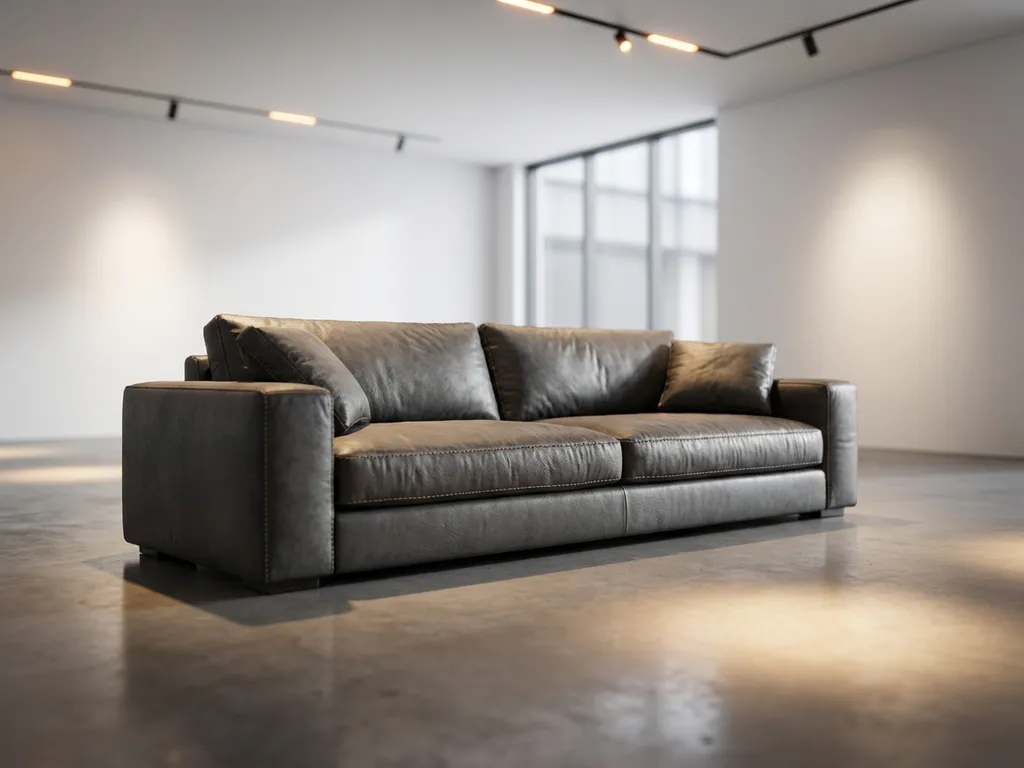
3D product rendering transforms retail by creating photorealistic digital versions of products that customers can view, customise, and interact with online. This technology eliminates the limitations of traditional photography while reducing costs and improving the customer experience. Retailers investing in 3D rendering gain competitive advantages through enhanced visualisation, faster time-to-market, and scalable content production that adapts to any product variation.
What is 3D product rendering, and how does it transform retail?
3D product rendering is the process of creating photorealistic digital images and interactive models from 3D data rather than through physical photography. This technology uses computer graphics to generate stunning visual representations that showcase products from every angle, with perfect lighting, textures, and environmental settings.
The transformation occurs through several key components. Advanced rendering engines process 3D models to create images indistinguishable from traditional photography. Material libraries ensure accurate representations of fabrics, metals, wood grain, and other surfaces. Lighting systems simulate natural and studio conditions to highlight product features effectively.
For retailers, this represents a fundamental shift from static product presentation to dynamic, interactive experiences. Customers can rotate products, change colours instantly, swap components, and see realistic results immediately. The technology supports both online configurators and in-store displays, creating consistent brand experiences across all touchpoints.
The retail transformation extends beyond visual appeal. Product configuration solutions enable mass customisation while maintaining cost efficiency. Retailers can showcase thousands of product variations without manufacturing or photographing each option, opening new revenue streams through personalisation.
Why are traditional product photography methods failing retailers?
Traditional photography struggles to meet the scale, cost, and flexibility demands of modern retail. Each product variant requires a separate photoshoot, creating exponential costs as customisation options increase. A furniture piece with five fabric choices and three wood finishes needs fifteen separate photo sessions.
Time constraints compound these challenges. Booking photographers, arranging studios, coordinating lighting, and post-production editing can take weeks per product line. Meanwhile, competitors launch new variations rapidly, leaving traditional photography approaches unable to keep up with market demands.
Variant management becomes impossible at scale. Fashion retailers offering multiple colours face storage nightmares when managing thousands of images. Changes require complete reshoots, making seasonal updates or design modifications prohibitively expensive. Quality consistency across different photographers and sessions creates brand presentation issues.
Logistical complexity multiplies with international markets. Different regional preferences require localised imagery, but shipping products globally for photography sessions adds costs and delays. Physical sample management becomes unwieldy as product ranges expand.
The fundamental limitation lies in photography’s static nature. Traditional images cannot adapt to customer preferences, show internal mechanisms, or demonstrate functionality interactively. This creates engagement gaps that modern consumers expect digital experiences to fill.
How does 3D rendering improve the customer shopping experience?
3D rendering creates immersive, interactive experiences that build customer confidence and reduce purchase hesitation. Customers can examine products from every angle, zoom in on details, and see realistic representations that match their expectations upon delivery.
Interactive customisation becomes intuitive and immediate. Rather than imagining how different options might look, customers see real-time updates as they modify colours, materials, or configurations. This visual feedback eliminates guesswork and creates emotional connections with personalised products.
The technology addresses common online shopping concerns. Detailed 3D views reveal textures, proportions, and quality indicators that static images cannot convey. Customers understand exactly what they are purchasing, reducing return rates and increasing satisfaction levels.
Contextual visualisation helps customers envision products in their own spaces. Room configurators show how furniture fits specific dimensions and décor styles. This practical application builds purchase confidence and reduces post-purchase regret.
Speed and responsiveness enhance the shopping journey. Instant configuration changes maintain engagement momentum, preventing the frustration of slow-loading pages or limited viewing options. The seamless experience encourages exploration and discovery of additional options customers might not have considered initially.
What are the cost benefits of investing in 3D product rendering?
3D rendering eliminates recurring photography costs while scaling infinitely with product variations. An initial investment in 3D models pays dividends through unlimited image generation, configuration options, and marketing materials—without additional photoshoot expenses.
Eliminating photography costs provides immediate savings. Professional product photography ranges from hundreds to thousands of pounds per variant. 3D rendering creates the same visual impact for a fraction of the ongoing cost, with unlimited angles and lighting scenarios available instantly.
Accelerating time-to-market creates revenue opportunities. New product launches can happen as soon as design is complete, without waiting for photography scheduling. Seasonal collections, limited editions, and rapid market responses can be delivered in days rather than weeks.
Eliminating physical prototypes reduces development costs significantly. Design iterations happen digitally, allowing stakeholder approvals and customer feedback before manufacturing commitments. This prevents costly production mistakes and reduces inventory risks.
Scalable content production transforms marketing efficiency. Multiple use cases emerge from a single set of 3D assets: website imagery, social media content, print catalogues, trade show materials, and interactive presentations can all be generated from the same source.
Long-term return on investment compounds through asset reusability. 3D models can be updated easily for design changes, new colour options, or seasonal variations. This evergreen content approach contrasts sharply with photography’s disposable nature and recurring costs.
Which types of retailers benefit most from 3D product rendering?
Furniture and interior design retailers gain the most value from 3D rendering due to high customisation levels, large product sizes, and customer visualisation needs. These sectors typically offer multiple material, colour, and configuration options that traditional photography cannot efficiently capture.
Fashion and accessories brands benefit significantly when offering customisation options. Handbags with various leather types, hardware finishes, and personalisation features become manageable through 3D rendering. The technology showcases quality details that influence luxury purchase decisions.
Electronics and technology retailers use 3D rendering for complex products with multiple configurations. Computer systems, mobile devices, and appliances benefit from interactive demonstrations that show internal components, colour options, and functional features.
Home improvement and construction suppliers find 3D rendering invaluable for visualising installed products. Kitchen cabinets, bathroom fixtures, and flooring options help customers understand how products integrate with existing spaces before making a purchase commitment.
Automotive and recreational vehicle industries rely heavily on configuration complexity. Vehicle customisation, accessory options, and colour combinations create thousands of possible variants that 3D rendering manages efficiently while maintaining photorealistic quality standards.
Jewellery and luxury goods retailers leverage 3D rendering to showcase detailed craftsmanship. Precious metals, gemstone settings, and intricate details appear with a clarity that is difficult to achieve through traditional photography, supporting premium pricing strategies.
How does 3dimerce help retailers with 3D product visualisation?
We provide comprehensive 3D visualisation solutions that transform retail experiences through high-quality rendering technology, seamless integration capabilities, and expert implementation support tailored specifically for European retailers in the luxury and design markets.
Our platform delivers stunning visual quality that matches premium brand positioning. Key capabilities include:
- Photorealistic rendering with perfect lighting, shadows, and reflections
- Real-time configuration that responds instantly to customer choices
- Omnichannel integration supporting both online and in-store experiences
- Scalable content production that grows with your product range
- Headless architecture enabling seamless webshop and POS integration
We specialise in sophisticated product configuration for furniture, interior design, and luxury goods, where visual quality directly impacts purchase decisions. Our expert team’s proven approach eliminates the photography bottleneck while maintaining the premium presentation standards your customers expect.
Implementation support ensures a smooth transition from traditional photography workflows. We handle technical integration, staff training, and ongoing optimisation to maximise your return on investment.
Ready to transform your retail visualisation strategy? Contact our team for a consultation tailored to your specific retail requirements, and discover how 3D rendering can accelerate your business growth.