
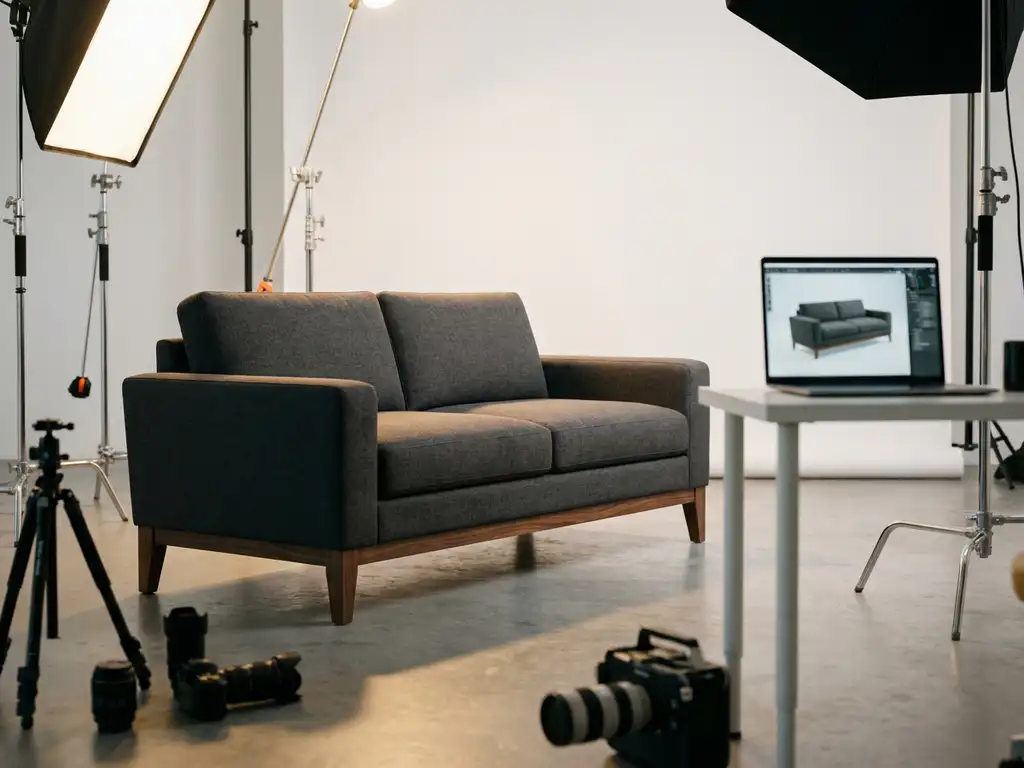
3D product rendering dramatically reduces marketing content costs by replacing expensive photography workflows with digital visualisation technology. Instead of costly photoshoots, studio rentals, and physical prototypes, businesses can create stunning product visuals digitally. This approach eliminates recurring photography expenses while providing unlimited variations, angles, and configurations for comprehensive marketing campaigns.
What is 3D product rendering, and how does it transform marketing costs?
3D product rendering is a digital technology that creates photorealistic product images using computer-generated imagery instead of traditional photography. This technology fundamentally transforms marketing costs by eliminating the need for physical photoshoots, studio setups, and prototype creation for every product variation.
The transformation occurs through digital asset creation that replaces physical processes. Rather than hiring photographers, renting studios, and coordinating complex logistics for each product shoot, marketing teams work with digital product models that generate unlimited visual content. This shift from physical to digital production removes the recurring costs associated with traditional photography workflows.
Digital visualisation also enables instant modifications without additional photography sessions. Colour changes, material updates, or design variations can be made within the software environment, eliminating the need for new photoshoots every time products evolve or marketing campaigns require different visual approaches.
Why is traditional product photography so expensive for marketing teams?
Traditional product photography involves multiple expensive components that accumulate quickly across marketing campaigns. Professional photographers, studio rentals, lighting equipment, styling services, and post-production editing create substantial upfront and recurring costs that multiply with each product variation or seasonal campaign.
The hidden costs extend beyond the obvious photography fees. Studio preparation requires time and resources for proper lighting setup, background preparation, and equipment coordination. Professional styling ensures products appear correctly, while post-production editing addresses colour correction, background removal, and image optimisation for different marketing channels.
Logistics add another expensive layer to traditional photography. Products must be transported to studios, can be damaged during handling, and must be stored between shoots. Multiple product variations require separate sessions, creating scheduling challenges and multiplying all associated costs. Seasonal campaigns or product updates demand entirely new photography sessions, making traditional approaches increasingly expensive as product ranges expand.
How much can businesses actually save with 3D rendering versus photography?
Businesses typically save 60-80% on ongoing marketing content costs after the initial 3D rendering setup compared to traditional photography workflows. The savings become more substantial as product ranges expand because digital rendering scales without proportional cost increases, unlike photography, which requires new sessions for each variation.
The initial investment in 3D rendering technology and digital asset creation may match traditional photography costs for small product ranges. However, long-term savings emerge through unlimited content generation from existing digital models. Creating new angles, lighting scenarios, or environmental settings happens within the software without additional photography sessions.
The ROI improves significantly for businesses with multiple product variations or frequent updates. A furniture manufacturer with 50 product configurations might spend thousands on individual photoshoots, while 3D rendering can create all variations from a single digital model. The scalability benefits compound over time as marketing teams generate more content without recurring photography expenses.
What are the biggest cost advantages of 3D product configurators?
3D product configurators eliminate the impractical task of photographing every possible product variation by generating visuals dynamically. Instead of creating thousands of individual product photos for different colours, materials, and configurations, configurators render these combinations in real time from digital components.
The inventory cost savings can be substantial for businesses with customisable products. Traditional approaches require maintaining physical samples or prototypes for photography, creating storage and management expenses. Digital configurators replace this physical inventory with virtual components that can be combined endlessly without storage costs or physical limitations.
Time-to-market acceleration provides additional cost advantages through faster campaign deployment. Marketing teams can launch new product variations immediately without scheduling photography sessions or waiting for physical samples. This speed enables more responsive marketing strategies and reduces the opportunity costs associated with delayed product launches or seasonal campaign timing.
How does 3D rendering improve marketing content quality while reducing costs?
3D rendering delivers superior marketing content quality through precise lighting control, unlimited camera angles, and consistent brand presentation that can surpass traditional photography limitations. Digital environments eliminate variables like weather, lighting conditions, or studio availability that can compromise traditional photography quality.
The quality improvements extend to brand consistency across all marketing channels. Digital rendering ensures consistent lighting, colours, and presentation standards across websites, catalogues, and retail displays. This consistency strengthens brand perception while eliminating the colour-matching and quality-variation challenges common with multiple photography sessions.
Enhanced visuals drive better marketing performance through improved conversion rates and customer engagement. The ability to show products in ideal lighting with optimal angles and environmental contexts creates more compelling marketing content. Interactive features like 360-degree rotation and configuration options provide enhanced customer experiences that static photography cannot match, leading to higher engagement and increased sales conversions.
How 3Dimerce helps reduce marketing costs
3Dimerce addresses marketing content cost challenges through our comprehensive visual product experience platform, which replaces expensive photography workflows with high-quality 3D rendering technology. Our solution eliminates recurring photography expenses while delivering superior visual content for premium brands.
Our platform provides specific cost-reduction benefits, including:
- Visual product configurators that generate unlimited product variations without additional photography
- CGI imagery solutions that create photorealistic content at a fraction of traditional photography costs
- Seamless integration capabilities that work across webshops, retail environments, and marketing channels
- A scalable SaaS solution that grows with your product range without proportional cost increases
With over 20 years of experience in 3D visualisation and product configuration, we understand the unique challenges premium brands face in creating cost-effective marketing content. Our technology enables brands to maintain exceptional visual quality while significantly reducing content production expenses.
Ready to transform your marketing content costs while improving visual quality? Contact us to discover how our 3D product rendering solutions can revolutionise your marketing content strategy and deliver substantial cost savings.