
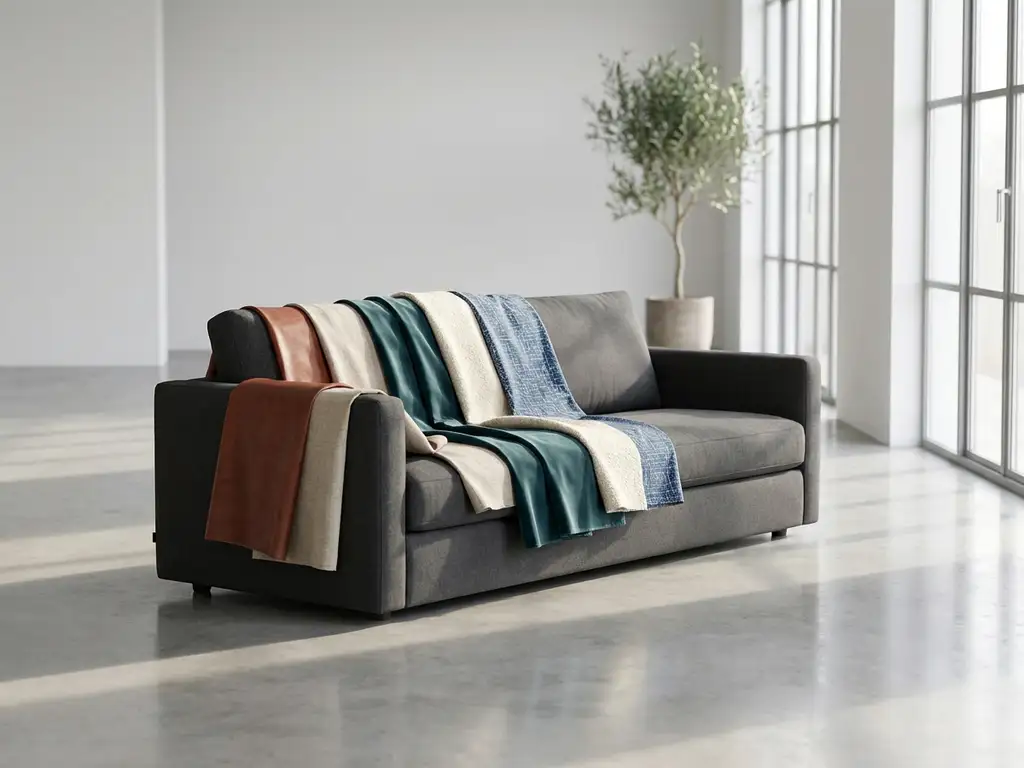
3D product rendering can effectively handle complex product variations, including material changes, colour options, size modifications, component swaps, and structural alterations. Modern rendering systems use parametric modelling and automated processes to manage thousands of product combinations efficiently while maintaining visual consistency across all variants.
What types of product variations can 3D rendering actually handle?
3D product rendering excels at managing multiple types of product variations simultaneously. Material changes represent one of the most common applications, allowing surfaces to switch between wood grains, metal finishes, fabric textures, or painted colours with photorealistic accuracy. The technology captures subtle details such as fabric weaves, wood grain patterns, and metal reflectivity.
Colour variations work particularly well in 3D environments because the rendering engine can apply colour changes across entire products or specific components. Size modifications happen through parametric scaling, where products can be resized while maintaining proportional relationships between components. This works especially well for furniture, where a sofa might need different widths while keeping cushion proportions consistent.
Component swapping allows customers to mix and match different parts within a product family. A modular shelving system might offer different shelf materials, bracket styles, or backing options. Structural alterations can modify the fundamental shape or configuration of products, such as changing cabinet door styles or adjusting the number of drawers in a storage unit.
The most sophisticated systems handle nested variations, where multiple changes interact with each other. For example, a chair configuration might simultaneously change the frame material, upholstery fabric, leg style, and overall dimensions based on customer selections.
How does 3D rendering manage thousands of product combinations efficiently?
Modern 3D rendering systems use parametric modelling to manage extensive product variations without creating separate files for each combination. Instead of storing thousands of individual product models, the system maintains a master template with variable parameters that can be adjusted automatically based on customer selections.
Smart asset management techniques ensure that common elements are reused across variations. If fifty different chairs share the same leg design, the system references one leg model rather than duplicating it fifty times. This approach dramatically reduces file sizes and processing requirements while maintaining rendering quality.
Automated rendering systems can generate images on demand rather than pre-rendering every possible combination. When a customer selects specific options, the system assembles the appropriate components and renders the image in real time or queues it for rapid processing. This eliminates the storage requirements for millions of pre-generated images.
Advanced caching strategies store frequently requested combinations while generating less common variations as needed. The system learns which product configurations are most popular and prioritises their availability for instant display.
Memory management techniques ensure that complex product libraries don’t overwhelm system resources. Components are loaded and unloaded dynamically, keeping only the necessary elements active during rendering processes.
Visual Commerce Solutions
Talk to our team about your project.
What are the technical limitations when rendering complex product variations?
Processing power requirements increase exponentially with variation complexity, particularly when handling real-time rendering scenarios. Systems with hundreds of material options and dozens of structural variations may experience slower response times, especially on standard hardware configurations. Graphics processing units can become critical bottlenecks when managing multiple high-resolution textures simultaneously.
File size considerations become significant when dealing with extensive product libraries. High-quality texture files, detailed geometry models, and complex lighting setups can create substantial storage requirements. Network bandwidth limitations affect loading times, particularly for customers with slower internet connections accessing detailed 3D configurations.
Real-time rendering limitations mean that extremely complex products might require simplified representations for interactive viewing. Full photorealistic quality may only be available for final renders rather than during the configuration process. This creates a balance between interaction speed and visual fidelity.
Certain scenarios still favour traditional photography over 3D rendering. Products with highly complex organic materials, intricate handcrafted details, or unique imperfections may be difficult to replicate convincingly in digital form. Additionally, products that rarely change or have minimal variation options might not justify the initial investment in 3D asset creation.
Integration complexity can create challenges when connecting 3D rendering systems with existing e-commerce platforms, inventory management systems, and pricing engines. Custom development work may be required to ensure seamless operation across all business systems.
How do you maintain visual consistency across thousands of product variants?
Standardised lighting setups form the foundation of consistent product visualisation across extensive variation libraries. Professional 3D rendering systems use controlled lighting environments that replicate studio photography conditions, ensuring that every product variant receives identical illumination regardless of the materials or colours selected.
Material libraries with standardised properties ensure that fabrics, woods, metals, and other surfaces behave consistently under different lighting conditions. Each material includes specific parameters for reflectivity, texture scale, and colour response that remain constant across all product applications.
Camera positioning templates maintain consistent viewing angles and perspectives across product families. Whether customers view a single chair or an entire dining set, the camera angles follow established guidelines that present products in their most flattering and informative positions.
Quality control processes include automated checking systems that verify colour accuracy, lighting consistency, and image resolution across all generated variations. These systems flag potential issues before images reach customers, maintaining professional standards throughout the entire product library.
Brand guideline integration ensures that all rendered images align with established visual identity standards. Colour palettes, styling preferences, and presentation formats remain consistent whether products appear in online catalogues, printed materials, or retail displays.
Template-based rendering workflows standardise the production process, reducing variability introduced by different operators or rendering sessions. Established procedures ensure that new product variations integrate seamlessly with existing visual libraries.
How 3Dimerce helps with complex product variations
We specialise in creating sophisticated 3D configurator solutions that handle the most demanding product variation challenges through our advanced SaaS platform. Our system manages everything from simple colour changes to complex structural modifications while maintaining blazing-fast performance and stunning visual quality.
Our approach delivers:
- Parametric flexibility – Handle unlimited product variations without performance degradation
- Real-time rendering – Instant visual feedback during customer configuration sessions
- Seamless integration – Connect effortlessly with existing e-commerce and business systems
- Scalable architecture – Grow your product range without additional infrastructure concerns
- Brand consistency – Maintain visual standards across all product variations and channels
Our implementation process includes comprehensive consultation, custom development, and ongoing support to ensure your complex product variations translate into increased sales and customer satisfaction. With our 20+ years of expertise, we can transform your product visualisation challenges into competitive advantages. Contact us today to discover how our solutions can benefit your business.