
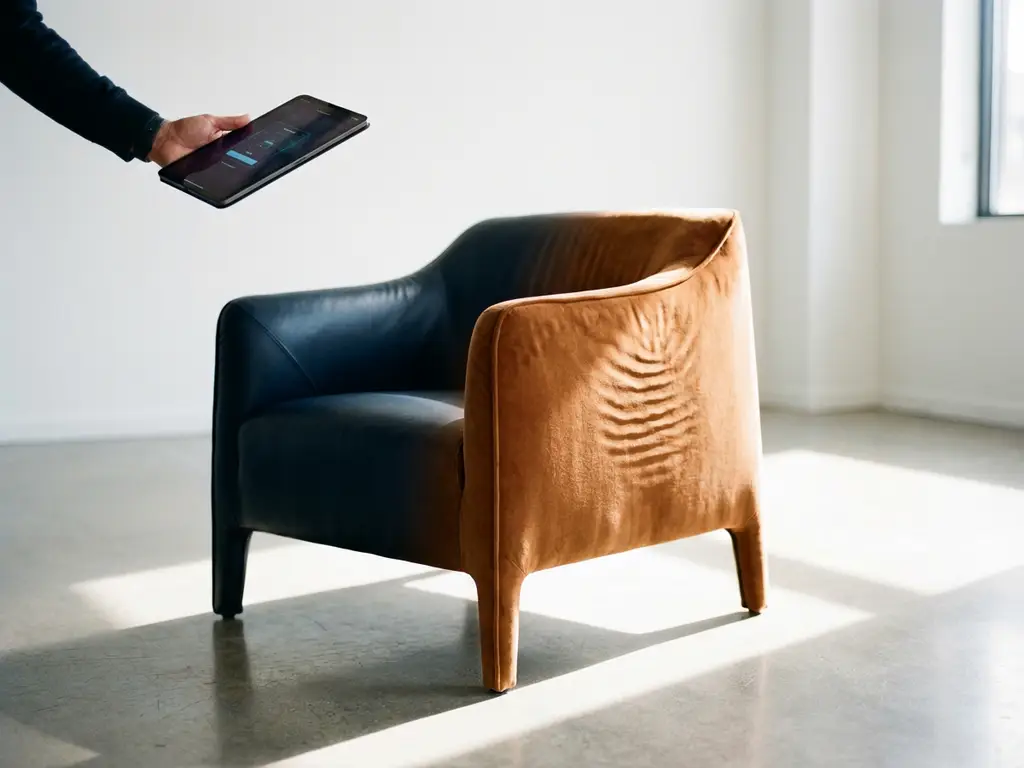
3D product rendering enables product customization by creating photorealistic digital models that customers can modify in real time. This technology allows users to change colours, materials, configurations, and features instantly while seeing accurate visual results. Unlike traditional photography, 3D rendering supports unlimited product variations without physical prototypes, making customization accessible and engaging for both businesses and customers.
What is 3D product rendering, and how does it work for customization?
3D product rendering is a computer graphics technology that creates photorealistic images of products using digital models and advanced lighting algorithms. For customization, it works by building detailed 3D models with interchangeable components, materials, and colours that can be modified instantly through user interfaces.
The technology relies on several key components. Digital artists create accurate 3D models of products, including all possible variations and customization options. These models include detailed surface properties, textures, and material behaviours that respond realistically to lighting conditions. When customers interact with a configurator, the rendering engine processes their choices and generates updated images in real time.
The customization process happens through interactive interfaces where users select options such as colours, materials, sizes, or features. Each selection prompts the rendering system to update the visual representation immediately, showing exactly how the customized product will look. This creates an engaging experience where customers can experiment with different combinations and see results instantly.
Why is 3D rendering better than traditional photography for product customization?
3D rendering surpasses traditional photography for customization because it can generate unlimited product variations without physical samples or costly photoshoots. A single 3D model can produce thousands of different configurations, while photography would require manufacturing and photographing each variant individually.
Cost efficiency is one of the most significant advantages. Traditional photography requires physical prototypes, professional photography setups, and extensive post-production work for each product variation. With 3D rendering, businesses create one digital model that generates countless variations at no additional production cost.
Speed and flexibility offer additional benefits. Photography requires scheduling, setup time, and waiting for physical samples. 3D rendering produces new product images instantly when customers make selections. Changes to colours, materials, or configurations happen in real time, creating a responsive customization experience.
Consistency across all product variations is achievable with 3D rendering. Every image maintains the same lighting, angles, and quality standards. Traditional photography often results in slight variations between shots, creating inconsistent product presentations that can confuse customers.
How does real-time 3D visualization enhance the customer experience?
Real-time 3D visualization transforms the customer experience by providing instant visual feedback when making customization choices. Customers see their selections immediately reflected in photorealistic images, eliminating uncertainty about how their customized product will look.
Interactive exploration capabilities allow customers to view products from multiple angles, zoom in on details, and examine textures closely. This level of interaction mimics the in-store shopping experience, where customers can handle and inspect products before purchasing. The technology builds confidence in online purchasing decisions.
Material and texture representation is incredibly realistic in modern 3D rendering systems. Customers can see how different fabrics appear, how metal finishes reflect light, or how wood grain looks under various lighting conditions. This detailed visualization reduces the gap between digital representation and physical products.
Purchase uncertainty is reduced when customers can thoroughly explore their customized products before ordering. They understand exactly what they are purchasing, leading to higher satisfaction rates and fewer returns. The interactive experience builds confidence in customization choices.
What types of products benefit most from 3D customization rendering?
Furniture and interior design products benefit greatly from 3D customization rendering because they involve multiple material choices, colours, and configuration options. Customers can visualize how sofas look in different fabrics, how kitchen cabinets appear in various wood finishes, or how lighting fixtures complement their spaces.
Automotive products excel with 3D customization, allowing customers to explore paint colours, wheel options, interior materials, and accessory combinations. The complexity of automotive customization makes 3D rendering essential for showing realistic results across thousands of possible configurations.
Fashion and accessories benefit significantly from 3D rendering, particularly for customizable items such as shoes, bags, or jewellery. Customers can experiment with colours, materials, patterns, and personalization options while seeing realistic representations of their choices.
Electronics and technology products use 3D customization for cases, colours, and configuration options. Home goods such as appliances, decorative items, and custom fixtures also benefit from the technology’s ability to show material variations and finish options clearly.
How do businesses integrate 3D product configurators into their sales process?
Businesses integrate 3D product configurators through multiple touchpoints in their sales process, starting with e-commerce platform integration. The configurator embeds directly into product pages, allowing customers to customize and visualize products while shopping online. This integration connects with inventory systems and pricing engines to ensure accurate information.
In-store implementation involves deploying configurators on tablets, kiosks, or large displays, where sales staff can guide customers through customization options. This approach combines the benefits of digital visualization with personal service, creating engaging retail experiences.
Sales team tools include portable configurators on tablets or laptops for trade shows, client meetings, and field sales situations. Sales representatives can demonstrate products, show customization options, and generate quotes instantly using the same visualization platform.
Omnichannel consistency ensures customers can start customization on one device and continue on another. The system saves configurations across touchpoints, allowing seamless transitions between online browsing, in-store consultations, and final purchase decisions.
Hoe 3dimerce helpt met productcustomisatie
We specialize in creating sophisticated 3D product configurators that transform how businesses present customizable products to their customers. Our platform delivers photorealistic visualizations with blazing-fast performance across all devices, ensuring smooth customization experiences whether customers shop online or in retail environments.
Our comprehensive solution includes:
- High-quality 3D product modelling with unlimited customization options
- Real-time rendering technology that updates instantly as customers make selections
- Seamless integration with existing e-commerce platforms and retail systems
- Omnichannel deployment supporting web, mobile, and in-store applications
- Configure-Price-Quote functionality that streamlines the sales process
We focus on the luxury and high-end market, delivering stunning visual quality that matches premium brand positioning. Our platform scales effortlessly with product ranges while maintaining consistent performance and visual excellence. Learn more about our expertise in developing cutting-edge 3D visualization solutions.
Ready to transform your product customization experience? Contact our team to discuss how our 3D configurator platform can enhance your sales process and customer engagement.
Related Articles
- How does 3D product rendering compare to CGI imagery?
- What is hyper-personalization and how does 3D product rendering enable it?
- What is the impact of 3D product rendering on the customer buying journey?
- How does 3D product rendering reduce the cost of marketing content?
- Why are furniture brands switching from photography to 3D product rendering?