
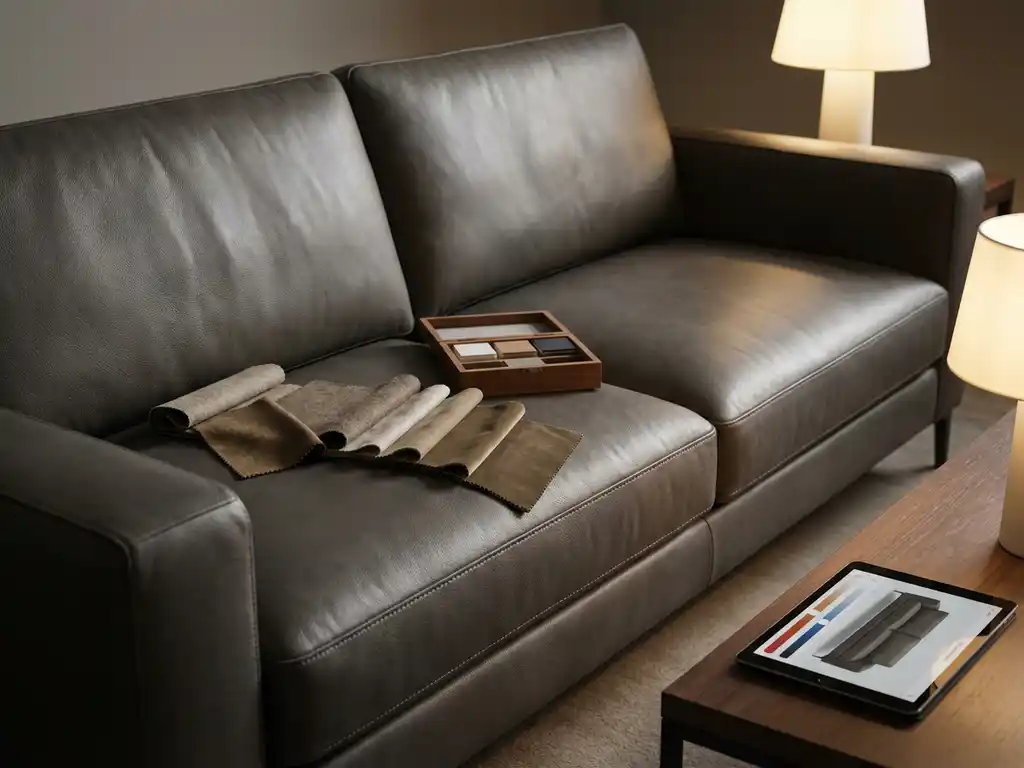
3D product rendering enables brands to showcase configurable products through photorealistic digital visualizations that update in real time as customers modify colours, materials, and features. This technology eliminates the need for costly photoshoots of every product variant while delivering interactive experiences that drive higher engagement and conversion rates. Understanding how 3D rendering transforms product presentation helps brands make informed decisions about modernizing their digital sales approach.
What is 3D product rendering, and how does it work for configurable products?
3D product rendering creates photorealistic digital images using computer graphics technology that can display unlimited product variations without physical prototypes. The system builds detailed 3D models of products, then applies different materials, colours, and configurations through real-time rendering engines that generate high-quality visuals instantly.
The technology works by creating a master 3D model of the base product, complete with accurate geometry, proportions, and surface details. Material libraries containing fabric textures, wood grain, metal finishes, and colour options are then mapped onto this model. When customers select different configuration options through an interface, the rendering engine immediately applies these changes and displays the updated product visualization.
This approach is particularly powerful for furniture, automotive, fashion, and industrial products, where customers expect to see their exact specifications before purchasing. The rendered images maintain consistent lighting, shadows, and reflections across all variations, ensuring professional presentation quality that matches or exceeds traditional photography standards.
Why do traditional product photography methods fall short for configurable items?
Visual Commerce Solutions
Talk to our team about your project.
Traditional photography becomes impractical and expensive when dealing with configurable products because each possible combination requires separate photoshoots, storage, and management. A single sofa available in 20 fabrics and 5 colours would require 100 individual photographs, multiplying costs and complexity exponentially.
The logistical challenges compound quickly. Coordinating photographers, studios, lighting setups, and product samples for hundreds or thousands of variations creates scheduling nightmares and significant expenses. Changes to product designs, new colour options, or updated materials require entirely new photoshoots, making it difficult to respond quickly to market demands or seasonal trends.
Storage and organisation present additional problems. Managing thousands of product images across multiple channels while ensuring consistency in lighting, angles, and quality becomes nearly impossible. Traditional photography also struggles to show products in different environments or lifestyle contexts without exponentially increasing production costs and complexity.
Time constraints create the final barrier. Fashion brands launching seasonal collections or furniture manufacturers introducing new finishes cannot wait weeks for photoshoot scheduling and post-production when customers expect immediate access to new options through their digital sales channels.
What are the main benefits of using 3D rendering for product customization?
Cost reduction and scalability represent the primary advantages of 3D rendering for product customization. Brands eliminate recurring photography expenses while gaining the ability to showcase unlimited product variations without proportional cost increases. Once the initial 3D model and material library are created, generating new combinations costs virtually nothing.
Speed to market improves dramatically when new colours, materials, or design variations can be implemented and displayed within hours rather than weeks. This agility allows brands to respond quickly to trends, test new options, and expand their offerings without the traditional barriers of physical photography.
Customer experience benefits include interactive exploration capabilities that allow buyers to see the immediate results of their choices. This transparency builds confidence in purchase decisions and reduces returns caused by unmet expectations. The ability to view products from multiple angles and in different settings enhances the shopping experience significantly.
Consistency across all channels becomes achievable when the same 3D assets generate images for websites, catalogues, retail displays, and marketing materials. This unified approach strengthens brand presentation and eliminates the visual inconsistencies that often occur when managing hundreds of individual photographs across different platforms.
How do customers interact with 3D product configurators online?
Customers interact with 3D product configurators through intuitive interfaces featuring drop-down menus, colour swatches, and material samples that trigger immediate visual updates. The configurator displays a large product image that changes in real time as customers select different options, creating an engaging and informative shopping experience.
The typical interaction flow begins with customers viewing the default product configuration, then exploring available options through clearly labelled categories such as colours, materials, sizes, or features. Each selection immediately updates the 3D visualization, allowing customers to see exactly how their choices affect the final product appearance.
Advanced configurators include additional features such as 360-degree rotation, zoom functionality for examining details, and the ability to place products in different room settings or environments. Some systems offer augmented reality features that let customers visualize products in their own spaces using smartphone cameras.
Integration with e-commerce platforms allows a seamless transition from configuration to purchase. The system automatically calculates pricing based on selected options and maintains the configured product visualization throughout the checkout process, ensuring customers know exactly what they are purchasing.
What technical requirements are needed to implement 3D product rendering?
3D product rendering requires high-quality 3D models created by skilled designers who understand both the technical requirements and the visual standards necessary for photorealistic results. These models must include accurate geometry, proper UV mapping for texture application, and optimized polygon counts that balance visual quality with rendering performance.
Rendering engine capabilities determine the system’s performance and visual quality. Modern solutions use real-time rendering technology that can generate high-quality images instantly, supported by powerful graphics processing units (GPUs) either on premises or through cloud-based services.
Integration requirements include connecting the 3D configurator with existing e-commerce platforms, product information management systems, and customer relationship management tools. This typically involves API development and database synchronization to ensure pricing, availability, and product specifications remain accurate across all systems.
Performance optimization becomes crucial for delivering smooth user experiences across different devices and internet connection speeds. This includes implementing efficient loading strategies, image compression techniques, and responsive design approaches that work equally well on desktop computers, tablets, and smartphones. Technical considerations also include browser compatibility, content delivery network implementation, and regular performance monitoring to maintain optimal user experiences.
How 3dimerce helps with 3D product rendering for configurable products
We specialize in creating sophisticated 3D product configurators that deliver stunning visual quality while maintaining blazing-fast performance across all devices. Our SaaS platform addresses the key challenges discussed throughout this article by providing:
- High-end visual quality that matches premium brand positioning, with photorealistic textures, natural lighting, and perfect reflections
- Scalable solutions that grow with your product range without increasing costs per variant
- Seamless integration with existing e-commerce platforms and retail environments
- Rapid implementation supported by our 20+ years of experience in virtual product visualization
- Omnichannel consistency ensuring your products look exceptional online and in-store
Our platform transforms complex product configurations into intuitive customer experiences that drive engagement and conversions. Whether you’re launching new product lines or upgrading existing digital channels, we provide the technical expertise and creative excellence needed to showcase configurable products effectively.
Ready to revolutionize your product presentation? Contact our team to discuss how 3D product rendering can enhance your brand’s digital presence and sales performance.