
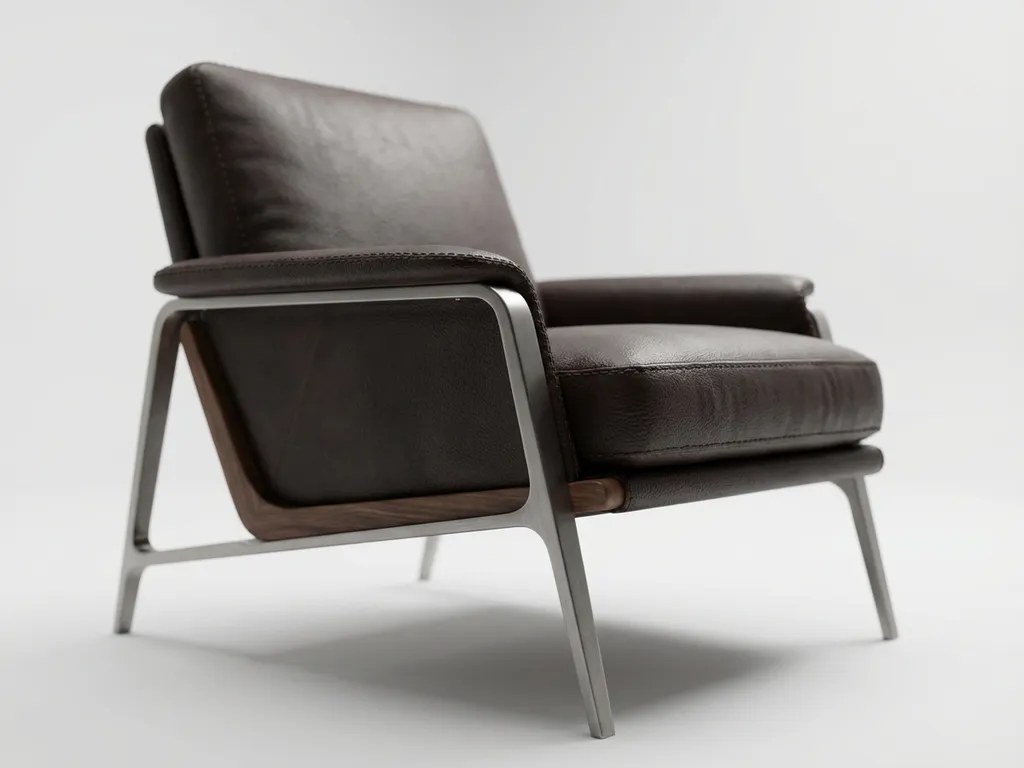
3D product rendering creates photorealistic digital images that are often indistinguishable from traditional photography. Modern rendering technology produces stunning visuals with accurate lighting, textures, and shadows that bring products to life across digital platforms. These visualizations range from static images to interactive configurators that let customers customize products in real time.
What exactly is 3D product rendering, and how realistic does it look?
3D product rendering is a computer graphics process that creates photorealistic images of products using digital models, lighting, and materials. Today’s rendering technology achieves such high visual fidelity that rendered images are virtually indistinguishable from professional photography.
The realism achieved through modern 3D product rendering rivals traditional photography in several key areas. Advanced rendering engines simulate natural lighting conditions, creating accurate shadows, reflections, and highlights that mirror real-world physics. Material textures appear authentic, whether showing the grain of wood furniture, the smoothness of ceramic surfaces, or the subtle variations in fabric weaves.
Professional-grade rendering produces images with exceptional detail and clarity. Surface imperfections, wear patterns, and natural irregularities can be precisely controlled, often resulting in more consistent visual quality than traditional photography. The technology excels at capturing complex materials like glass, metal, and translucent plastics, along with their unique light-interaction properties.
Visual fidelity standards in the industry now demand pixel-perfect accuracy. High-resolution renders support extreme close-up views without quality loss while maintaining blazing-fast loading speeds across all devices. This level of quality makes 3D rendering particularly valuable for luxury and design-focused brands, where visual excellence directly impacts brand perception.
What are the different types of 3D product renderings you can create?
3D product rendering encompasses several distinct formats, each serving specific marketing and sales purposes. The main types include static images, 360-degree views, interactive configurators, augmented reality experiences, and animated demonstrations.
Static product images remain the foundation of product visualization. These high-resolution renders work perfectly for catalogs, websites, and print materials. They offer complete control over lighting, angles, and composition while delivering consistent quality across entire product ranges.
360-degree product views allow customers to examine items from every angle. These interactive experiences work particularly well for complex products where customers need to see construction details, connection points, or design elements from multiple perspectives.
Interactive configurators represent the most sophisticated rendering type. Customers can change colors, materials, sizes, and components while seeing real-time visual updates. This technology is most effective for customizable products like furniture, where navigating choices can significantly impact purchase decisions.
Augmented reality experiences place products in customers’ actual environments through smartphone cameras. This approach works brilliantly for furniture and home décor, helping customers visualize scale and fit before purchasing.
Animated product demonstrations showcase functionality, assembly processes, or feature highlights. These are valuable for complex products that require explanation or for products where movement improves understanding.
How do you tell the difference between good and poor-quality 3D rendering?
High-quality 3D rendering exhibits accurate lighting, realistic material textures, natural shadows, precise surface details, true color representation, and professional composition. Poor rendering typically shows artificial lighting, flat textures, harsh shadows, and unrealistic material properties.
Lighting accuracy is the primary quality indicator. Professional rendering uses complex lighting setups that create natural-looking illumination with soft shadows and realistic highlights. Poor-quality renders often display flat, even lighting that lacks depth and dimension.
Material texture quality separates professional work from amateur attempts. Good rendering shows authentic surface properties—wood grain flows naturally, metal surfaces reflect appropriately, and fabric displays realistic weave patterns. Poor rendering presents materials that look plastic or artificially perfect.
Shadow realism indicates rendering sophistication. Quality renders include multiple shadow types: contact shadows where objects meet surfaces, cast shadows from lighting, and ambient occlusion in crevices. Poor rendering often shows a single harsh shadow or unrealistic shadow directions.
Surface detail accuracy demonstrates technical expertise. Professional rendering captures subtle imperfections, natural wear patterns, and authentic irregularities that make products appear real. Amateur work typically shows overly perfect surfaces that lack believable character.
Color accuracy requires proper calibration and an understanding of color science. Quality rendering maintains consistent colors across different lighting conditions and viewing angles, while poor rendering may show color shifts or unrealistic saturation levels.
What industries and products work best with 3D rendering?
Furniture, automotive, electronics, fashion, and manufacturing industries benefit most from 3D rendering technology. Products with multiple configurations, complex designs, or high customization requirements see the greatest advantages from digital visualization.
The furniture industry leads in 3D rendering adoption. Configurable seating, modular storage systems, and custom cabinetry benefit enormously from interactive visualization. Customers can explore different fabrics, finishes, and configurations without requiring physical samples or showroom space.
Automotive manufacturers use rendering for both marketing and configuration purposes. Vehicle customization tools allow customers to select paint colors, interior materials, and optional features while seeing real-time updates. This technology is particularly valuable for luxury vehicles, where personalization drives purchase decisions.
Electronics companies leverage rendering for product launches and technical documentation. Complex devices can be shown with transparent casings that reveal internal components or demonstrated through exploded views that show assembly processes.
Fashion and accessories benefit from rendering for products with multiple color and material options. Handbags, shoes, and jewelry can be visualized in countless combinations without requiring physical samples of every variant.
Manufacturing companies use rendering for technical sales presentations and customer approvals. Industrial equipment, machinery, and custom fabrications can be visualized before production, reducing prototyping costs and improving customer understanding.
Interior design and architecture rely heavily on rendering for space visualization and material selection. Complete room environments can be created to show how different products work together in realistic settings.
How does interactive 3D product configuration actually work for customers?
Interactive 3D product configuration allows customers to customize products through intuitive controls while seeing real-time visual updates. Users select options like colors, materials, sizes, and features through simple interface elements, with changes instantly reflected in photorealistic 3D visualizations.
The customer experience begins with a base product model displayed in an interactive viewer. Customization options appear as clearly labeled controls—color swatches, material samples, dropdown menus, or sliders. Each option includes preview images or descriptions to guide selection.
Real-time visual updates happen instantly as customers make choices. Changing a sofa fabric immediately updates the 3D model to show the new material with accurate texture, color, and pattern representation. This immediate feedback helps customers understand exactly what they are selecting.
Material and color changes maintain photorealistic quality throughout the configuration process. Advanced rendering ensures that new materials display authentic properties—leather shows natural grain patterns, metals reflect light appropriately, and fabrics display realistic weave characteristics.
The configuration process integrates smoothly with purchasing decisions. Customers can save configurations, share them with others, or add customized products directly to shopping carts. Pricing updates automatically reflect selected options, providing transparent cost information throughout the customization process.
Many configurators include additional features like scale references, zoom capabilities, and multiple viewing angles. Some offer augmented reality options for placing configured products in customers’ actual spaces, bridging the gap between digital visualization and physical reality.
How 3dimerce helps with advanced 3D product visualization
We provide comprehensive 3D visualization solutions that transform product experiences through photorealistic rendering and interactive configuration technology. Our SaaS platform delivers stunning visuals with blazing-fast performance across all devices, specifically designed for luxury and design-focused brands.
Our advanced 3D product rendering capabilities include:
- Photorealistic quality: Achieving visual fidelity that matches or exceeds traditional photography standards
- Interactive configurators: Real-time customization tools that integrate seamlessly with existing e-commerce platforms
- Omnichannel consistency: Unified visual experiences across online stores, physical retail environments, and mobile applications
- Scalable content production: Efficient generation of visual content for entire product ranges without proportional cost increases
- Technical integration: Headless architecture that connects with existing business systems and workflows
With over 20 years of experience in virtual art and CGI, we understand the specific needs of manufacturers and retailers seeking professional product visualization. Our platform enables brands to create sophisticated virtual showrooms and digital twins that enhance customer engagement while reducing dependence on physical prototypes and traditional photography. Learn more about our expertise in delivering cutting-edge visualization solutions.
Explore our implementation examples or contact our team to discover how advanced 3D product visualization can transform your customer experience and streamline your visual content production.