
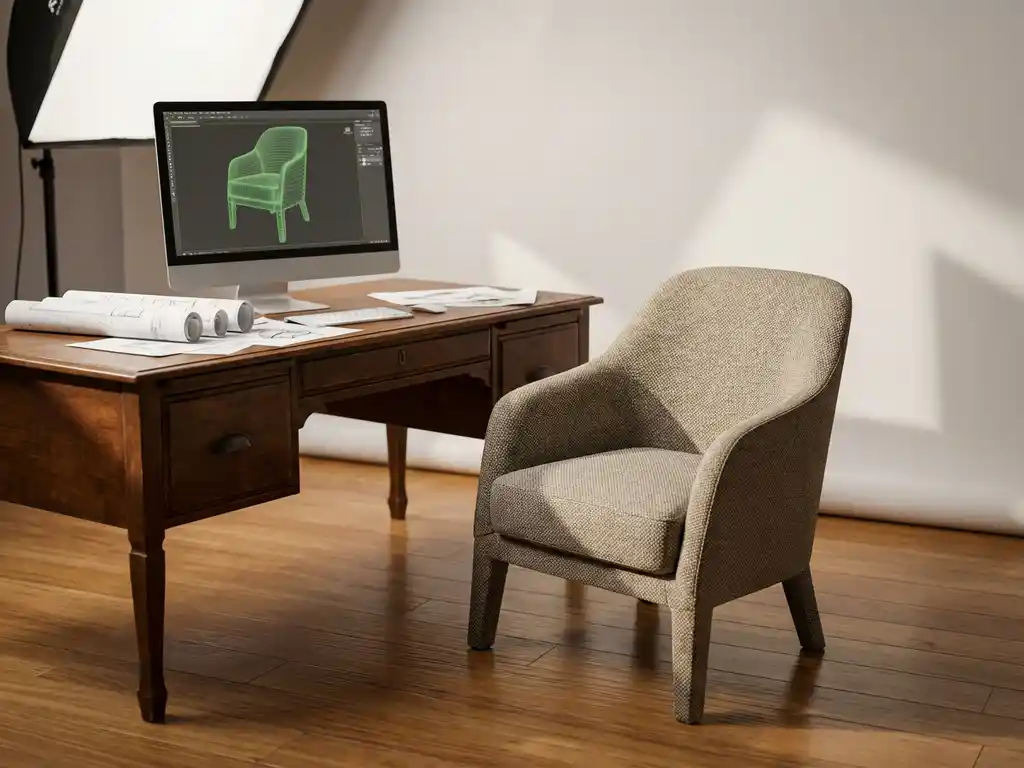
The optimal time to implement 3D product rendering is when your business faces challenges with traditional photography costs, needs to showcase complex product configurations, or wants to enhance the customer experience across digital channels. Most businesses benefit from adopting 3D rendering during growth phases, when product variety increases and visual content demands exceed the capabilities of traditional photography. The timing of the decision depends on product complexity, market-positioning goals, and resource availability.
What are the key signs your business is ready for 3D product rendering?
Your business is ready for 3D product rendering when photography costs and logistics become unmanageable relative to the complexity of your product range. Companies typically reach this point when they offer multiple product configurations, customisation options, or frequently launch new variants that require extensive visual documentation.
Several clear indicators signal readiness for 3D rendering implementation:
- Photography expenses exceed 15–20% of your marketing budget due to product variety
- Lead times for new product visuals delay launches or marketing campaigns
- Inconsistent product imagery across sales channels affects brand perception
- Customer requests for product customisation exceed your visual content capabilities
- Physical prototypes and samples create significant storage and logistics costs
Market-positioning requirements also influence timing. Premium brands competing in design-led sectors need visual quality that matches their positioning. When your current imagery fails to reflect product craftsmanship or technical sophistication, 3D rendering becomes essential to maintaining a competitive advantage.
The complexity threshold varies by industry, but businesses offering more than 50 product variants or configurations typically benefit immediately from 3D rendering solutions. This technology eliminates the exponential cost increase associated with photographing every possible combination.
How does your product type influence the timing of 3D rendering adoption?
Product categories with high customisation potential or complex technical features benefit from earlier 3D rendering adoption than simple, standardised items. Furniture, industrial equipment, and configurable products see immediate value, while basic consumer goods may delay implementation until growth demands increase.
Furniture and interior design products are ideal candidates for immediate 3D rendering adoption. These items involve multiple material options, colour variations, and configuration possibilities that make traditional photography expensive and time-consuming. The ability to showcase products in different environments and lighting conditions provides significant competitive advantages.
Industrial equipment and technical products benefit from 3D rendering when customer education becomes crucial to sales success. Complex machinery, customisable systems, or products with internal components benefit from interactive visualisation that helps buyers understand functionality and specifications.
Configurable products across any industry should prioritise early 3D rendering adoption. Items for which customers select options, modify specifications, or personalise features create exponential visual content requirements that traditional photography cannot efficiently address.
Visual Commerce Solutions
Talk to our team about your project.
Fashion and simple consumer products may delay 3D rendering until business scale justifies the investment. However, brands in these sectors pursuing premium positioning or rapid product development cycles often find early adoption advantageous for maintaining market responsiveness.
What business growth stage benefits most from implementing 3D product visualization?
Businesses in the expansion and scaling phase benefit most from 3D product visualisation implementation. This stage typically occurs when companies have established a market presence but need to increase product variety, enter new markets, or enhance operational efficiency without proportional cost increases.
Established businesses with 2–5 years of market presence often reach the optimal implementation point. They have sufficient revenue stability for technology investment while facing growth pressures that make the limitations of traditional photography apparent. These companies understand their customers’ needs and can specify visualisation requirements clearly.
Startups may benefit from early 3D rendering adoption when their business model centres on customisation or configuration. However, most early-stage companies should focus resources on market validation before investing in advanced visualisation technology.
Mature enterprises implementing digital transformation initiatives represent another prime adoption stage. These organisations often have the resources and strategic vision necessary for comprehensive 3D rendering integration across multiple channels and business units.
Growth-stage considerations also relate to product development velocity. Companies launching new products quarterly or expanding into adjacent markets need visual content creation speed that traditional photography cannot provide. 3D rendering use cases demonstrate how businesses at various growth stages leverage visualisation technology for competitive advantage.
Why do seasonal and market timing factors matter for 3D rendering projects?
Seasonal sales patterns and product launch cycles significantly influence the optimal timing for 3D rendering implementation. Businesses should align technology adoption with periods of lower operational intensity while ensuring readiness for peak selling seasons and major product introductions.
Retail businesses benefit from implementing 3D rendering during off-peak seasons, when teams have capacity for training and integration activities. This timing ensures systems are operational before high-demand periods, when visual content needs increase dramatically.
Product launch schedules create natural implementation windows. Companies planning major product line extensions or entering new markets should complete 3D rendering setup 3–6 months before launch dates. This timeline allows for content creation, team training, and system integration without rushing critical project phases.
Changes in the competitive landscape also influence timing decisions. When competitors enhance their digital experiences or industry standards evolve, delayed implementation risks deterioration in market position. Monitoring competitor activity and industry trends helps identify optimal implementation windows.
Budget cycles within organisations also significantly affect project timing. Aligning 3D rendering implementation with annual planning processes ensures adequate resource allocation and stakeholder support for successful adoption.
How do budget and resource availability determine the right implementation timing?
Budget planning and resource allocation make financial readiness assessment crucial for determining the optimal timing for 3D rendering implementation. Most businesses need 6–12 months of planning to align technology investment with operational capacity and expected returns.
Initial investment considerations include software licensing, content creation, integration costs, and team training expenses. Businesses should budget for both upfront implementation and ongoing operational costs to ensure sustainable adoption.
Resource availability extends beyond financial investment to include team capacity and technical infrastructure readiness. Implementation requires dedicated project management, technical integration support, and content creation resources that may strain operations if the timing is poor.
Return on investment expectations significantly influence timing decisions. Businesses should implement 3D rendering when they can measure and achieve meaningful returns within 12–18 months. This typically occurs when visual content needs justify the investment through reduced photography costs or increased sales efficiency.
Organisations often benefit from phased implementation approaches that spread costs and resource requirements over time. Starting with core product lines or specific use cases allows businesses to validate returns before full-scale deployment.
How 3Dimerce helps with optimal 3D rendering implementation timing
We address timing challenges through flexible implementation strategies that align with your business readiness and market requirements. Our experienced team ensures you achieve maximum value from your 3D rendering investment, regardless of your current growth stage or operational constraints.
Our implementation support includes:
- Readiness assessment tools that identify optimal timing based on your specific business indicators
- Phased deployment options that spread investment and resource requirements over manageable timeframes
- Integration planning that minimises disruption to existing operations and sales processes
- Training programmes designed to build team capability during implementation phases
- Scalable platform architecture that grows with your business without requiring system replacement
We work with businesses at various growth stages, from established manufacturers expanding product lines to retailers enhancing digital experiences. Our comprehensive solutions adapt to your timeline requirements while ensuring successful long-term adoption.
Ready to determine the optimal timing for your 3D rendering implementation? Contact our team for a personalised assessment that identifies the best implementation approach for your business requirements and growth objectives.