
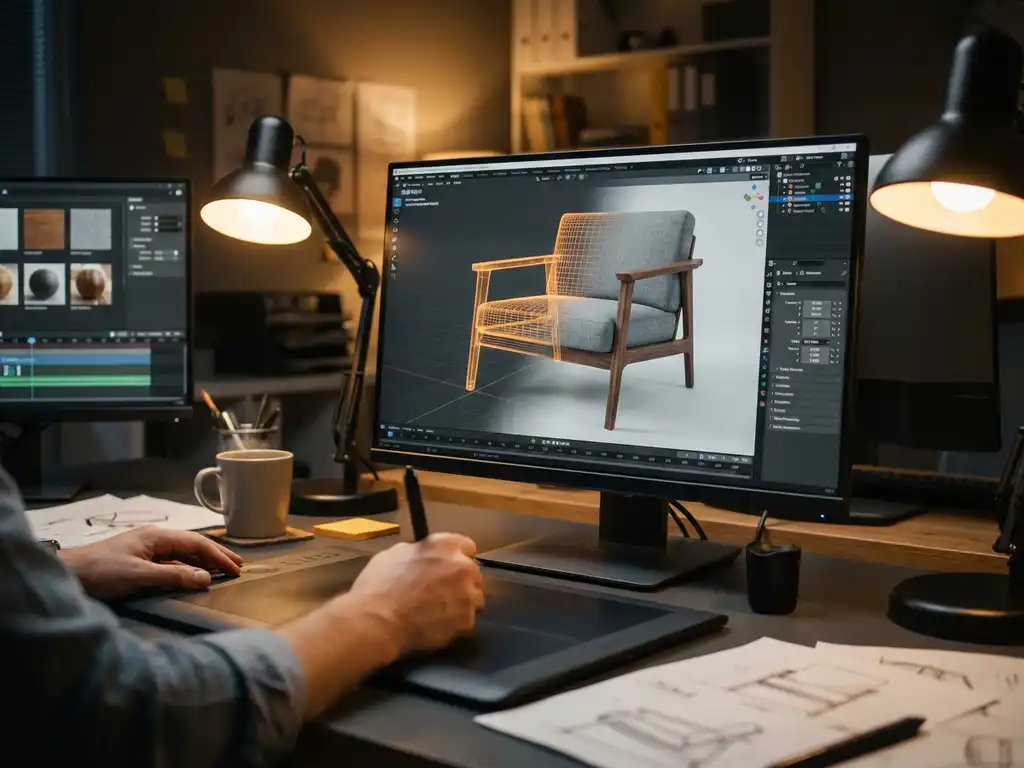
3D product rendering is a digital process that creates photorealistic images of products using computer graphics technology instead of traditional photography. The implementation process involves several key phases, including 3D modelling, texturing, lighting setup, and integration with existing systems. Most businesses complete implementation within 2–6 months, depending on product complexity and scope.
What exactly is 3D product rendering, and why do businesses need it?
3D product rendering creates photorealistic digital images of products using computer graphics software instead of traditional photography. This technology generates high-quality visuals by building three-dimensional models, applying realistic materials and textures, and setting up virtual lighting environments that mimic real-world conditions.
Modern businesses are transitioning to 3D product rendering because it offers significant advantages over conventional photography. Traditional photoshoots require physical products, professional photographers, studio setups, and extensive post-production work. Each product variation needs separate images, making the process expensive and time-consuming.
Digital rendering eliminates these constraints by creating unlimited product variations from a single 3D model. You can change colours, materials, configurations, and angles instantly without additional photoshoots. This flexibility is particularly valuable for businesses offering customisable products or extensive product ranges.
The technology also ensures visual consistency across all marketing channels. Every product image maintains the same lighting quality, background, and presentation style, strengthening brand perception and creating professional-looking catalogues, websites, and marketing materials.
What are the essential steps in a 3D product rendering implementation process?
The implementation process follows six core phases: project planning, 3D modelling, texturing, lighting setup, rendering, and system integration. Project planning typically takes 1–2 weeks, while modelling and texturing require 2–4 weeks per product category, depending on complexity.
Project planning establishes scope, timelines, and technical requirements. This phase involves analysing existing product catalogues, defining visual standards, and determining integration needs with current systems such as e-commerce platforms or content management systems.
3D modelling creates accurate digital representations of your products. Skilled artists build detailed geometric models that capture every design element, from basic shapes to intricate details. This foundation determines the quality and accuracy of all subsequent visual output.
Texturing applies realistic materials and surface properties to the 3D models. Artists recreate fabric patterns, wood grain, metal finishes, and other material characteristics that make rendered images indistinguishable from photographs.
Lighting setup establishes virtual environments that showcase products effectively. Professional lighting arrangements highlight product features, create appealing shadows and reflections, and maintain consistency across your entire visual library.
The rendering phase generates final images in the required formats and resolutions. System integration connects the rendering pipeline with your existing workflows, enabling automatic image generation for new product variations and seamless content delivery to various platforms.
How long does it typically take to implement 3D product rendering for your business?
Implementation timelines range from 2–6 months for most businesses, depending on product complexity, catalogue size, and integration requirements. Simple products with basic materials can be completed faster than complex items requiring detailed texturing and multiple configuration options.
Small product catalogues (10–50 items) typically require 2–3 months for complete implementation. This includes initial setup, model creation, and basic system integration. Medium-sized catalogues (50–200 products) usually take 3–4 months, while large catalogues or highly complex products may require 4–6 months.
Several factors influence implementation duration. Product complexity significantly affects modelling time; furniture with multiple materials and configurations takes longer than simple electronic devices. The number of product variations also affects timelines, as each colour, size, or material option requires additional setup.
Integration complexity with existing systems can extend timelines. Advanced integration solutions that connect with multiple platforms require more development time than basic implementations.
Effective resource planning involves allocating adequate time for quality testing and revision cycles. Plan for 20–30% additional time beyond initial estimates to accommodate feedback and fine-tune visual output quality.
What technical requirements and resources do you need for 3D rendering implementation?
Hardware specifications include high-performance computers with dedicated graphics cards, substantial RAM (a minimum of 16GB, preferably 32GB+), and fast storage systems. Professional 3D rendering demands significant computational power to create complex models and generate high-resolution images efficiently.
Software requirements encompass 3D modelling applications, rendering engines, and image-processing tools. Professional-grade software licences can be expensive, and teams need training to use these sophisticated tools effectively.
Team expertise is the most critical resource requirement. Successful implementation requires skilled 3D artists, technical specialists familiar with rendering workflows, and project managers who understand both the creative and technical aspects of the process.
Infrastructure considerations include network capacity for handling large file transfers, backup systems for protecting valuable 3D assets, and version control systems for managing model updates and revisions.
Many businesses find that partnering with specialised providers offers advantages over building internal capabilities. External partners provide immediate access to expertise, established workflows, and professional-grade infrastructure without significant upfront investment in hardware, software, and training.
How do you ensure quality and accuracy in your 3D product rendering process?
Quality control begins with accurate reference materials, including detailed product specifications, high-resolution photographs from multiple angles, and physical samples when available. These references ensure 3D models precisely match actual products in dimensions, proportions, and visual characteristics.
Testing procedures involve systematic comparison between rendered images and actual products under various lighting conditions. Quality teams verify colour accuracy, material appearance, and geometric precision through multiple review cycles.
Accuracy validation includes technical measurements to confirm dimensional correctness and visual assessments to ensure realistic material representation. Professional colour management systems maintain consistency across different viewing devices and output formats.
Best practices for maintaining consistent quality include establishing detailed style guides, implementing standardised lighting setups, and creating comprehensive review checklists. Regular calibration of monitors and colour systems prevents drift in visual standards over time.
Version control systems track all changes to 3D models and rendering settings, enabling quick identification and correction of quality issues. Automated quality checks can flag common problems such as incorrect dimensions or missing textures before final rendering.
Documentation of approved visual standards helps maintain consistency when scaling operations or working with multiple team members. Clear guidelines for lighting, camera angles, and post-processing ensure uniform quality across entire product catalogues.
How 3Dimerce helps with 3D product rendering implementation
We provide a comprehensive SaaS platform that streamlines the entire 3D product rendering implementation process, eliminating the need for extensive internal resources and technical expertise. Our solution combines advanced rendering technology with seamless integration capabilities.
Our implementation approach includes:
- Complete project management from initial consultation through final deployment
- Professional 3D modelling services that capture every product detail with stunning accuracy
- Flexible integration options that work with existing e-commerce and content management systems
- Ongoing support and maintenance to ensure consistent quality and performance
- Scalable platform architecture that grows with your product catalogue and business needs
Our platform delivers blazing-fast performance while maintaining the highest visual quality standards expected in luxury and high-end markets. With years of experience in the industry, learn more about our expertise and how we’ve helped businesses transform their product visualisation capabilities. Explore our use cases to see how businesses transform their product visualisation capabilities.
Ready to revolutionise your product presentation with professional 3D rendering? Contact us to discuss your specific requirements and discover how our implementation process can enhance your product visualisation strategy.