
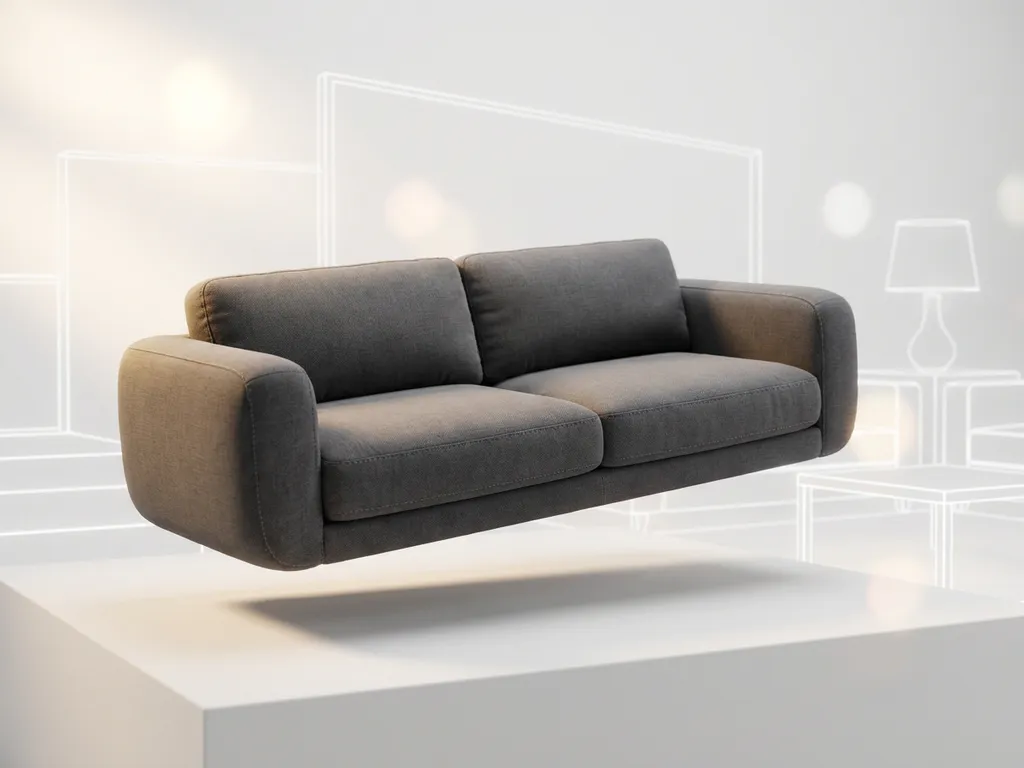
3D product rendering creates photorealistic digital representations of products using computer graphics technology, replacing traditional photography with interactive, customizable visuals. This technology transforms how retailers showcase products by enabling 360-degree views, real-time customization, and consistent imagery across all channels. Modern retail increasingly relies on 3D rendering to reduce costs, accelerate time to market, and provide immersive shopping experiences that boost customer confidence and conversion rates.
What is 3D product rendering and why is it revolutionizing retail?
3D product rendering is a computer graphics technology that creates photorealistic digital images of products from three-dimensional models. Unlike traditional photography, 3D rendering generates images mathematically, allowing for infinite variations in angles, lighting, materials, and configurations—without physical prototypes or studio setups.
This technology is revolutionizing retail by fundamentally changing how products are visualized and presented to customers. Traditional product photography requires physical samples, professional studios, and extensive post-production work for each variant. 3D rendering eliminates these constraints by creating a digital foundation that can generate unlimited product images, animations, and interactive experiences.
The shift from static photography to dynamic 3D visualization enables retailers to showcase products in ways that were previously impossible. Customers can rotate products, change colors and materials in real time, and see items in different environments or configurations. This level of interactivity bridges the gap between online and in-store shopping experiences, providing the detailed product examination customers expect.
The business impact extends beyond visual appeal. 3D rendering streamlines production workflows, reduces reliance on physical inventory for marketing purposes, and enables rapid product launches. Retailers can create comprehensive visual content before manufacturing begins, test market reactions, and make adjustments without costly physical modifications.
How does 3D product rendering enhance the customer shopping experience?
3D product rendering dramatically improves the customer shopping experience by providing interactive visualization capabilities that traditional photography cannot match. Customers can examine products from every angle, customize features in real time, and see realistic representations of materials, textures, and finishes before making purchase decisions.
The technology addresses a fundamental challenge in online retail: the inability to physically examine products. Through 360-degree rotation, zoom functionality, and detailed surface rendering, customers gain confidence in their purchase decisions. They can inspect product details, understand scale and proportions, and visualize how items will look in their intended environment.
Real-time customization capabilities transform passive browsing into active engagement. Customers can modify colors, materials, sizes, and configurations instantly, seeing immediate visual feedback for their choices. This interactivity creates a sense of ownership and personal connection with products, leading to higher conversion rates and lower return rates.
The technology also enables augmented reality integration, allowing customers to place virtual products in their actual spaces using smartphone cameras. This capability is particularly valuable for furniture, home décor, and other spatially dependent products where context and scale are crucial factors in purchase decisions.
Additionally, 3D rendering ensures consistent product presentation across all touchpoints. Whether customers encounter products online, in mobile apps, or through in-store digital displays, they receive the same high-quality visual experience, building brand trust and recognition.
What are the main business advantages of implementing 3D product rendering?
Cost reduction is the most immediate business advantage of implementing 3D product rendering. Traditional product photography requires physical samples, professional photographers, studio rentals, and extensive post-production work for each product variant. 3D rendering eliminates these recurring expenses by creating digital assets that can generate unlimited images and configurations.
Accelerating time to market provides significant competitive advantages. New products can be visualized and marketed before physical production begins, enabling earlier customer feedback, pre-orders, and market validation. Marketing campaigns can launch simultaneously with product announcements, rather than waiting for photography to be completed.
Scalability becomes effortless with 3D rendering systems. Adding new product variants, colors, or configurations requires minimal additional investment compared to traditional photography. A single 3D model can generate hundreds of different visual combinations, making extensive product catalogs economically feasible.
Consistency across all sales channels improves brand presentation and the customer experience. Whether products appear in e-commerce stores, printed catalogs, in-store displays, or mobile applications, visual quality and accuracy remain identical. This consistency builds brand trust and professional credibility.
The technology also reduces the need for physical prototypes, which is particularly valuable for expensive or complex products. Design iterations, market testing, and stakeholder approvals can occur using digital representations, saving substantial development costs and reducing environmental impact through decreased physical sampling.
Which retail sectors benefit most from 3D product rendering technology?
Furniture and home décor industries see the greatest impact from 3D product rendering due to the visual nature of their products and the importance of customization options. These sectors typically offer multiple material choices, colors, and configurations that would be prohibitively expensive to photograph comprehensively.
Fashion and accessories benefit significantly from 3D rendering’s ability to showcase products on different body types, in various colors, and with detailed texture representation. The technology enables virtual try-on experiences and helps customers understand how accessories complement different outfits or styles.
Automotive retail leverages 3D rendering for comprehensive vehicle customization experiences. Customers can explore exterior colors, interior options, wheel designs, and additional features while seeing realistic representations of their configured vehicles. This capability is particularly valuable for high-value purchases where customization significantly affects the final product.
Electronics and technology sectors use 3D rendering to demonstrate product functionality, showcase internal components, and provide detailed views of ports, buttons, and interfaces. The technology helps customers understand complex products and compare technical specifications visually.
Manufacturing and industrial sectors benefit from 3D rendering’s ability to showcase large, complex, or dangerous equipment safely. Customers can examine machinery details, understand operating principles, and explore different configurations without requiring physical demonstrations or site visits.
These industries see greater impact because their products typically involve significant customization options, have high visual importance in purchase decisions, or present practical challenges for traditional photography. The versatility of 3D rendering applications makes it valuable across numerous retail contexts.
How does 3D product rendering integrate with existing retail systems?
3D product rendering integrates with existing retail systems through API connections and headless architecture that connect rendering engines with e-commerce platforms, inventory management systems, and customer relationship management software. This integration enables real-time product visualization that reflects current inventory, pricing, and availability information.
E-commerce platform integration typically involves embedding 3D viewers directly into product pages, allowing customers to interact with rendered products without leaving the shopping environment. Popular platforms like Shopify, Magento, and WooCommerce support 3D rendering integration through plugins or custom development approaches.
Point-of-sale system integration enables in-store staff to use 3D rendering for customer consultations, product demonstrations, and order customization. Sales associates can show customers different product options, calculate pricing for custom configurations, and generate visual confirmations of ordered items.
Inventory management system connections ensure that 3D rendering accurately reflects available options, lead times, and stock levels. When certain colors or materials become unavailable, the rendering system automatically updates to prevent customer disappointment and order complications.
Implementation considerations include server capacity for rendering processing, content delivery network setup for fast loading times, and mobile optimization for responsive performance across devices. The technology supports omnichannel strategies by providing consistent visual experiences whether customers shop online, in-store, or through mobile applications.
Technical requirements vary based on rendering complexity and integration depth, but modern 3D rendering solutions are designed for straightforward implementation within existing retail technology stacks.
How 3Dimerce helps with 3D product rendering in retail
Our visual product experience platform addresses the challenges discussed throughout this article by providing a comprehensive 3D rendering solution specifically designed for retail environments. We combine high-quality photorealistic rendering with seamless integration capabilities that work across online and offline sales channels.
Key benefits of our approach include:
- Blazing-fast performance – Stunning visuals that load quickly across all devices
- Headless integration – Seamless connection with existing e-commerce and POS systems
- Scalable SaaS solution – Grows with your product range without proportional cost increases
- Omnichannel consistency – Identical high-quality visuals across web, mobile, and in-store displays
- Real-time customization – Interactive product configuration with immediate visual feedback
- European market expertise – Proven results with premium brands across furniture, interior design, and manufacturing sectors
Our platform eliminates the traditional photography bottleneck that slows product launches and limits customization options. With over 20 years of experience in 3D visualization, we understand the specific needs of design-led brands that require their digital presence to reflect their premium positioning.
Ready to transform your product visualization strategy? Contact us to discover how our 3D rendering platform can reduce your visual content costs while improving customer engagement and conversion rates.