
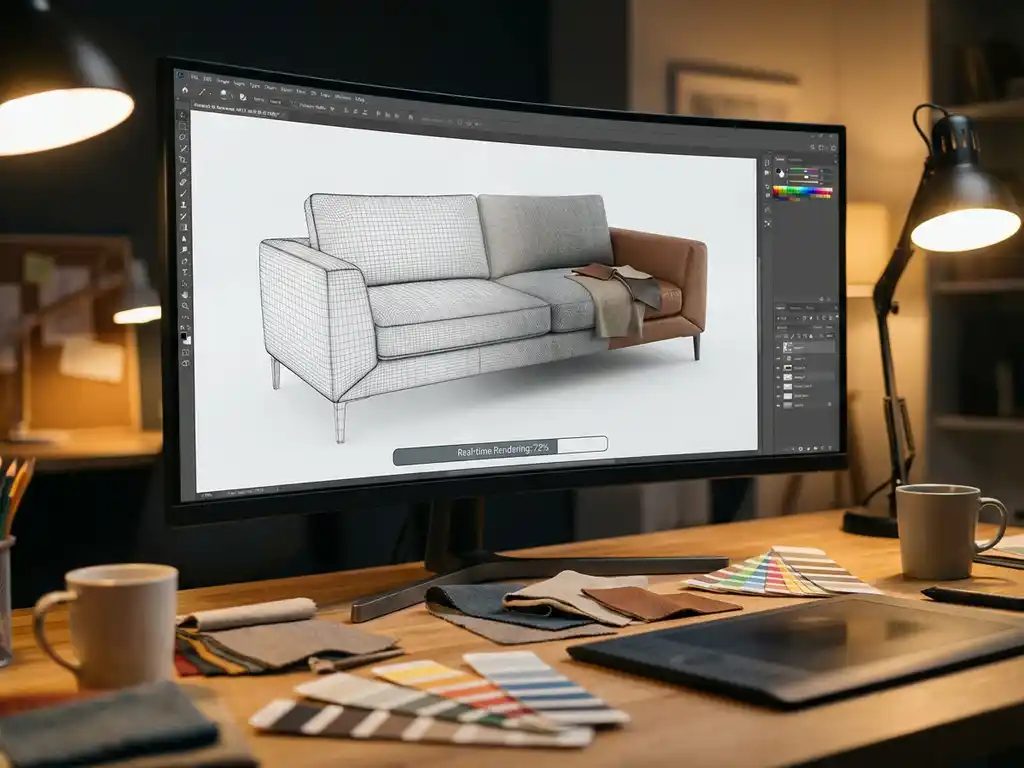
The implementation timeline for 3D product rendering typically ranges from 4 to 12 weeks, depending on project complexity and scope. Simple product configurations may launch within a month, while comprehensive, multi-product implementations may require several months. Key factors include existing asset quality, integration requirements, and customization needs. Understanding these variables helps businesses plan realistic timelines and allocate resources effectively for successful project delivery.
What factors determine the implementation timeline for 3D product rendering?
Product complexity is the primary driver of timelines for 3D rendering implementations. Simple products with basic materials and minimal configuration options require significantly less development time than complex items featuring multiple components, intricate textures, or advanced customization capabilities.
Existing asset availability dramatically impacts project duration. Companies with high-quality CAD files, detailed product specifications, and well-organized material libraries can accelerate implementation by weeks. Conversely, businesses that require extensive asset creation or file conversion face longer development phases.
Integration requirements with existing systems add further timeline considerations. E-commerce platforms, inventory management systems, and customer databases each require specific connection protocols. The complexity of these integrations directly correlates with implementation duration and testing requirements.
Team resource allocation significantly influences project velocity. Dedicated internal stakeholders who can provide prompt feedback and approvals maintain momentum, while limited availability creates bottlenecks that can extend timelines unexpectedly.
What are the typical phases in a 3D product rendering implementation?
Implementation follows a structured five-phase approach that begins with discovery and consultation. This initial phase typically requires 1 to 2 weeks for requirements gathering, technical assessment, and project planning. Teams establish scope, identify assets, and create detailed implementation roadmaps.
Asset preparation and organization typically take 1 to 3 weeks, depending on existing file quality. This phase involves CAD file conversion, material specification, texture creation, and quality validation. Proper preparation at this stage prevents delays in subsequent phases.
3D modeling and rendering setup represent the core development phase, lasting 2 to 6 weeks for most projects. Teams create accurate digital representations, configure materials and lighting, and establish rendering parameters that deliver photorealistic results.
Integration and testing require 1 to 2 weeks to connect rendering systems with existing platforms. This phase includes API development, performance optimization, cross-device testing, and user acceptance validation.
Launch preparation and deployment are typically completed within one week and involve final testing, staff training, and go-live coordination.
How long does 3D modeling and asset creation take for product rendering?
Modeling complexity determines most asset-creation time requirements. Simple geometric products may require only a few days for accurate representation, while intricate designs featuring organic shapes, detailed textures, or mechanical components can demand weeks of careful development.
CAD file conversion streamlines the modeling process when high-quality source files are available. Direct conversion from engineering files can reduce modeling time by 60 to 80%, while manual recreation from photographs or sketches extends development significantly.
Texture and material definition add substantial time to asset creation. Realistic fabric representations, wood grain, metal finishes, and other complex surfaces require detailed specification and testing. Each material type needs careful calibration for accurate color reproduction and surface properties.
Quality assurance throughout the modeling phase ensures accuracy but can extend timelines. Multiple review cycles, stakeholder approvals, and refinement iterations add days or weeks, depending on precision requirements and the complexity of feedback.
What integration challenges can extend 3D rendering implementation timelines?
E-commerce platform compatibility creates the most common integration obstacles. Different platforms require unique API approaches, custom development, and extensive testing. Legacy systems, in particular, can complicate integration efforts and may require additional configuration solutions to ensure seamless operation.
Performance optimization demands significant attention during integration phases. 3D rendering systems must load quickly across devices while maintaining visual quality. Balancing performance with functionality often requires multiple optimization iterations.
Cross-device compatibility testing can substantially extend integration timelines. Mobile devices, tablets, desktop computers, and various browsers each present unique challenges. Ensuring consistent functionality across all platforms requires comprehensive testing protocols.
API connections between rendering systems and existing business tools add technical complexity. Inventory management, pricing systems, and customer databases must synchronize seamlessly. Each connection point requires development, testing, and ongoing maintenance considerations.
Security requirements and compliance standards add further layers to integration processes. Data protection, user authentication, and system security protocols require careful implementation and validation.
How can businesses prepare to minimize 3D rendering implementation time?
Asset organization is the most impactful preparation strategy. Businesses should compile high-quality CAD files, product specifications, material samples, and technical documentation before project initiation. Well-organized assets can reduce implementation time by 30 to 50%.
Stakeholder alignment accelerates decision-making throughout implementation. Designating clear project owners, establishing approval processes, and scheduling regular review sessions prevent delays caused by unclear communication or slow feedback.
Technical requirements gathering helps identify potential challenges early. Understanding existing system architectures, integration needs, and performance expectations allows development teams to plan appropriate solutions and avoid mid-project complications.
Clear scope definition prevents timeline expansion through feature creep. Businesses should prioritize essential functionality for the initial launch while planning future enhancements separately. This approach ensures timely delivery while maintaining flexibility for growth.
Budgeting for contingencies provides flexibility when unexpected challenges arise. Setting aside an additional 15 to 20% of time and resources accommodates unforeseen complications without derailing project schedules.
How 3Dimerce helps with 3D product rendering implementation
We accelerate implementation timelines through our proven methodology and comprehensive support approach. Our experienced team streamlines every phase, from initial consultation through successful launch, ensuring efficient project delivery without compromising quality.
Our implementation advantages include:
- Rapid asset processing: Advanced CAD conversion tools and experienced modelers significantly reduce asset creation time.
- Seamless integration expertise: Proven experience with major e-commerce platforms ensures smooth technical implementation.
- Dedicated project management: Assigned specialists maintain momentum and coordinate all stakeholders effectively.
- Comprehensive testing protocols: Systematic quality assurance prevents delays and ensures reliable performance.
- Ongoing support: Post-launch assistance and optimization services maximize long-term success.
Ready to explore how our 3D product rendering solutions can transform your business? Visit our use cases to see real implementations, then contact us for a personalized consultation and timeline assessment.