
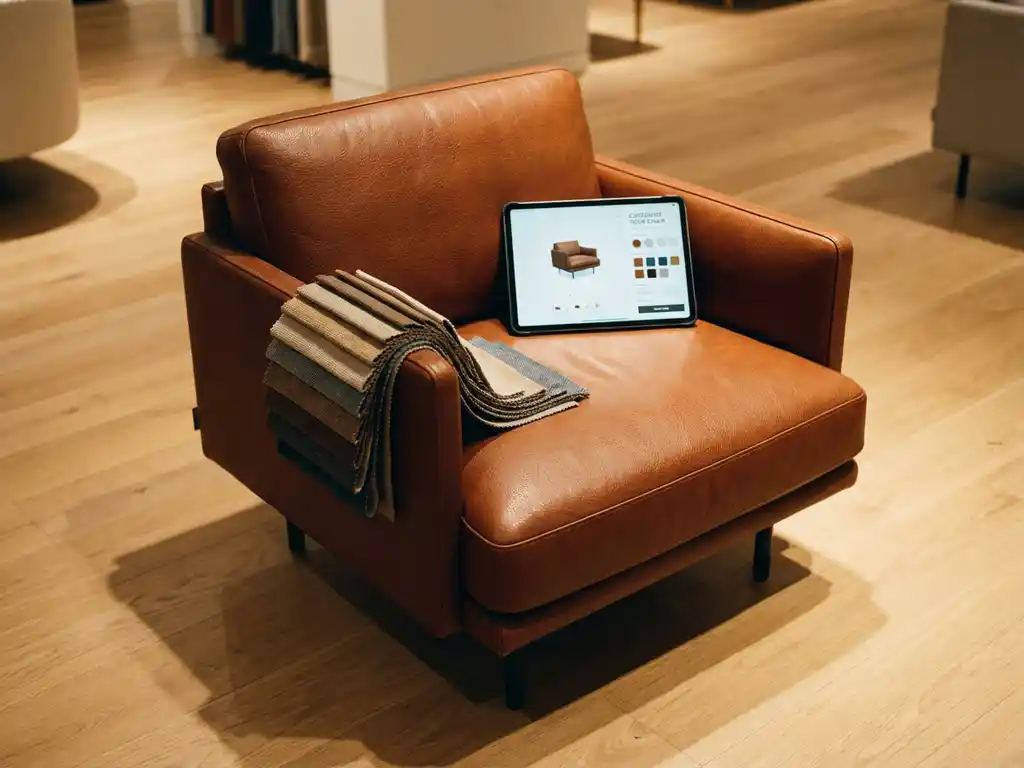
Hyper-personalization uses advanced technology and real-time data to create individualized experiences that adapt to each customer’s unique preferences, behaviors, and needs. Unlike traditional personalization, it goes beyond basic demographic segmentation to deliver dynamic, contextual experiences. When combined with 3D product rendering, businesses can create interactive visualizations that respond instantly to customer choices, transforming how people discover and configure products online.
What is hyper-personalization, and why does it matter for modern businesses?
Hyper-personalization leverages artificial intelligence, machine learning, and real-time data to create highly individualized customer experiences that adapt dynamically to user behavior, preferences, and context. Unlike traditional personalization, which relies on basic demographic segments, hyper-personalization uses behavioral data, purchase history, and interaction patterns to deliver unique experiences for each customer.
Modern consumers expect experiences tailored specifically to their needs and preferences. Generic product presentations and one-size-fits-all approaches no longer satisfy customers who are accustomed to platforms that anticipate their interests and adapt accordingly. Businesses that implement hyper-personalization strategies typically see improved customer engagement, higher conversion rates, and increased customer loyalty.
The technology enables companies to present relevant product variations, pricing, and content based on individual customer profiles. This approach transforms the shopping experience from browsing generic catalogs to exploring curated selections that match personal tastes and requirements.
How does 3D product rendering enable personalized customer experiences?
3D product rendering creates personalized experiences by generating real-time visual content that adapts to individual customer preferences and choices. The technology produces photorealistic product images and interactive models that change instantly based on user selections, creating a tailored visualization experience for each customer interaction.
Advanced rendering systems can modify colors, materials, textures, and configurations in real time, allowing customers to see exactly how their personalized choices will look. This immediate visual feedback creates an engaging experience that helps customers make confident purchasing decisions.
The technology integrates customer data to present relevant customization options and hide irrelevant choices, streamlining the configuration process. For example, a furniture configurator might prioritize wood finishes based on a customer’s previous selections or show room layouts that match their stated preferences.
Interactive 3D models allow customers to explore products from multiple angles, zoom in on details, and visualize how items will look in their specific environment. This level of personalization creates emotional connections between customers and products before purchase.
What are the key benefits of combining hyper-personalization with 3D visualization?
Combining hyper-personalization with 3D visualization significantly improves customer engagement by creating immersive, relevant experiences that capture attention and encourage exploration. Customers spend more time interacting with personalized 3D content, leading to deeper product understanding and stronger purchase intent.
This approach reduces return rates by helping customers make more informed decisions. When people can visualize exactly how their customized product will look and function, they’re less likely to experience disappointment upon delivery. Accurate representations of materials, colors, and proportions set proper expectations.
Conversion rates typically improve because personalized 3D experiences remove uncertainty from the purchasing process. Customers can confidently select options knowing exactly what they’re buying, reducing cart abandonment and increasing completed transactions.
Brand differentiation becomes stronger when companies offer sophisticated personalization capabilities that competitors cannot match. The combination of advanced technology and tailored experiences positions brands as innovative leaders in their markets, attracting customers who value customization and quality.
Which industries benefit most from hyper-personalized 3D product rendering?
Furniture and interior design industries gain substantial value from personalized 3D rendering because customers need to visualize how pieces will look in their specific spaces with their chosen finishes and configurations. The ability to see realistic representations of customized furniture helps customers make confident decisions about significant purchases.
Automotive manufacturers use personalized 3D visualization to help customers configure vehicles with specific colors, interior options, and accessories. The technology allows buyers to explore different combinations and see exactly how their customized vehicle will appear before ordering.
Fashion and jewelry sectors benefit from 3D personalization by allowing customers to see how items will look with different materials, colors, and sizes. Personalized rendering helps customers understand fit, proportion, and style compatibility with their preferences.
Home improvement and construction industries use the technology to show customers how their spaces will look with different materials, fixtures, and layouts. This visualization capability helps customers make decisions about renovations and new construction projects with confidence.
How do you implement hyper-personalization through 3D product configuration?
Implementation begins with collecting and organizing customer data from various touchpoints, including website behavior, purchase history, preferences, and demographic information. This data foundation enables the system to understand individual customer needs and present relevant customization options.
Setting up dynamic product variations requires creating comprehensive 3D models with multiple configurable elements, such as materials, colors, sizes, and features. Each variation must render quickly while maintaining photorealistic quality across different device types and screen sizes.
Integration with existing systems ensures seamless data flow between the 3D configurator, customer relationship management platforms, and e-commerce systems. This connectivity enables real-time personalization based on current customer context and historical interactions.
Measuring effectiveness involves tracking engagement metrics such as time spent configuring, conversion rates, and customer satisfaction scores. Regular analysis helps optimize the personalization algorithms and identify opportunities to improve the customer experience. Successful implementations often show measurable improvements in these key performance indicators.
How 3dimerce helps with hyper-personalization and 3D product rendering
Our platform delivers sophisticated hyper-personalization through advanced 3D configuration tools that adapt dynamically to individual customer preferences and behaviors. We create stunning visual experiences that respond instantly to user choices while maintaining blazing-fast performance across all devices.
Key capabilities include:
- Real-time personalization that presents relevant options based on customer data and interaction patterns
- Photorealistic rendering with lifelike textures and natural lighting that brings products to life
- Seamless integration with existing e-commerce and CRM systems through flexible APIs
- Scalable configuration solutions that grow with your product range and customer base
- Comprehensive analytics to measure personalization effectiveness and optimize customer experiences
Our expertise in luxury and design-focused markets ensures your personalized 3D experiences reflect your brand’s premium positioning while delivering the sophisticated functionality your customers expect. Contact us to discover how we can transform your product visualization strategy with hyper-personalized 3D rendering solutions.