
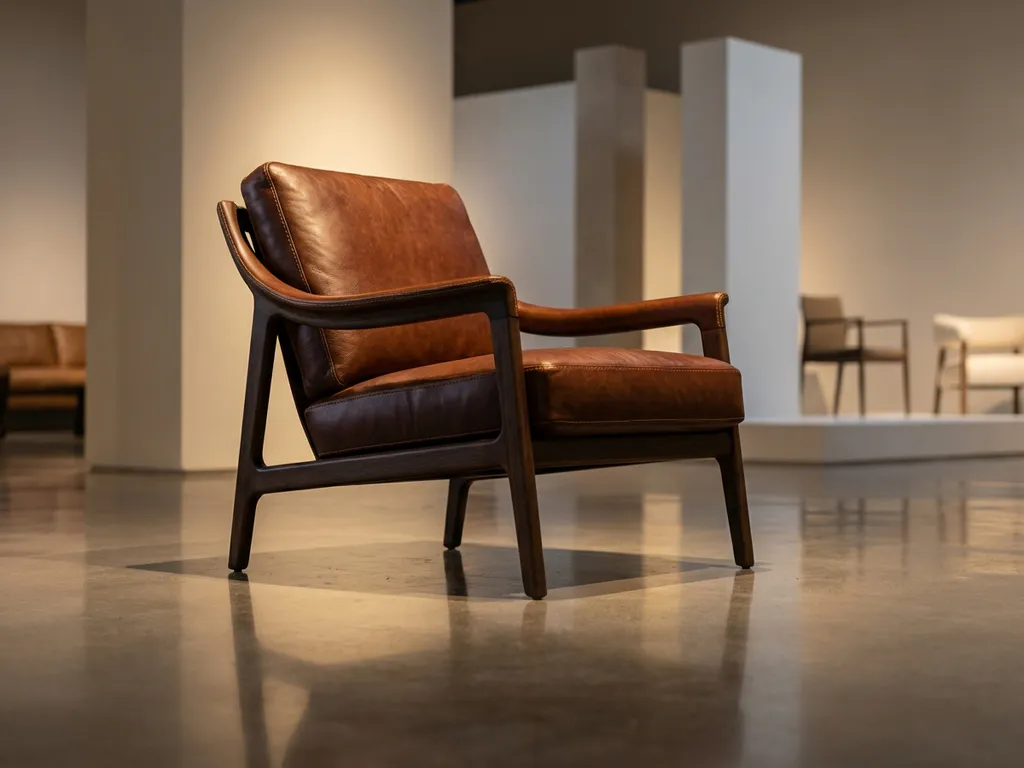
3D product rendering dramatically increases sales conversions by creating immersive, interactive experiences that reduce purchase uncertainty and build customer confidence. When customers can visualise, customise, and explore products in realistic detail before buying, they develop stronger emotional connections and make more informed decisions. This comprehensive guide explores how photorealistic 3D visualisation transforms the shopping experience and drives measurable conversion improvements across various product categories.
What is 3D product rendering, and how does it impact customer behaviour?
3D product rendering creates photorealistic digital images of products using computer graphics technology, allowing customers to view items from multiple angles with lifelike textures, lighting, and detail. This technology influences customer behaviour by providing visual certainty that traditional photography cannot match, reducing the psychological barriers that prevent online purchases.
The impact on customer behaviour stems from how our brains process visual information. When customers encounter realistic 3D product rendering, they experience a sense of tangibility that bridges the gap between online browsing and physical examination. The technology addresses the fundamental challenge of online shopping: customers cannot touch, feel, or properly inspect products before purchasing.
Photorealistic 3D visuals influence purchasing decisions by creating emotional engagement. Customers develop stronger connections with products they can explore interactively—rotating items to examine details, zooming in on specific features, and visualising how products fit their needs. This enhanced engagement translates directly into increased purchase confidence and reduced hesitation at checkout.
The psychological factors that make 3D rendering more effective than traditional photography include perceived control, reduced uncertainty, and enhanced trust. When customers can manipulate product views themselves, they feel more in control of the shopping experience. Comprehensive visual information reduces uncertainty about product appearance, quality, and suitability, while realistic presentation builds trust in the brand’s commitment to transparency.
Why do customers convert better with interactive 3D product experiences?
Interactive 3D product experiences increase conversions because they satisfy the human need for exploration and control during decision-making. Customers who can manipulate, customise, and examine products in detail develop higher confidence, leading to more decisive purchasing behaviour and fewer abandoned shopping sessions.
Visual Commerce Solutions
Talk to our team about your project.
The psychology behind 3D interaction relates to how people naturally assess products in physical environments. We instinctively want to examine items from different angles, understand their scale, and visualise them in context. Interactive 3D experiences replicate these natural behaviours digitally, satisfying deep-seated psychological needs that static images cannot address.
Product customisation and visualisation reduce purchase hesitation by eliminating guesswork. When customers can see exactly how their chosen specifications will look, they feel confident in their decisions. Real-time visual feedback during customisation creates a sense of ownership before purchase, making customers more committed to completing their transactions.
The trust-building aspects of detailed 3D product exploration cannot be overstated. Comprehensive visual access demonstrates transparency and confidence in product quality. Brands that provide extensive 3D exploration capabilities signal that they have nothing to hide about their products. This transparency builds credibility and reduces the perceived risk of online purchasing, particularly for higher-value items, where customer hesitation typically increases.
What are the measurable benefits of 3D rendering for online sales?
3D rendering delivers measurable improvements across multiple key performance indicators, including increased time spent on product pages, higher conversion rates, reduced return rates, and higher average order values. These benefits compound to create substantial overall improvements in online sales performance and customer satisfaction.
Enhanced engagement metrics reflect the compelling nature of interactive 3D experiences. Customers spend significantly more time exploring products when 3D rendering is available, indicating deeper interest and consideration. This extended engagement provides more opportunities for customers to develop purchase intent and emotional connections with products.
Reduced return rates represent one of the most valuable benefits of 3D product rendering. When customers have comprehensive visual information before purchase, they make more informed decisions that align with their actual needs and expectations. Detailed preview capabilities minimise surprises upon delivery, leading to higher satisfaction and fewer returns.
Higher average order values often result from the increased confidence that 3D rendering provides. Customers who feel certain about product quality and appearance are more willing to invest in premium options or additional items. Visual clarity helps justify higher price points and encourages customers to choose better specifications or complementary products.
Improved customer satisfaction metrics reflect the overall enhancement of the shopping experience. When customers can thoroughly evaluate products before purchase, they feel more satisfied with both the buying process and their final selections. This satisfaction translates into positive reviews, repeat purchases, and word-of-mouth recommendations that drive long-term business growth.
How does 3D product configuration reduce shopping cart abandonment?
3D product configuration reduces shopping cart abandonment by addressing the primary uncertainty factors that cause customers to hesitate at checkout. Real-time visual confirmation of customisation choices eliminates doubts about product appearance, fit, and quality, giving customers the confidence needed to complete their purchases.
Real-time product customisation addresses uncertainty by providing immediate visual feedback for every selection. When customers choose different colours, materials, or features, they see exactly how these changes affect the final product. This instant visualisation eliminates the mental effort required to imagine combinations and reduces anxiety about making the wrong choices.
Visual confirmation significantly reduces buyer’s remorse by ensuring customers know precisely what they’re purchasing. Comprehensive previews eliminate unpleasant surprises and build confidence in the purchase decision. Customers who can see their exact specifications rendered realistically feel secure about their investment and are less likely to second-guess their choices.
Interactive configuration streamlines the decision-making process by making complex choices feel manageable and enjoyable. Instead of overwhelming customers with endless options, 3D configuration presents choices visually and intuitively. This approach transforms potentially stressful customisation into an engaging experience that guides customers naturally towards completion.
This streamlined decision-making process also reduces cognitive load during shopping. When customers can see the impact of their choices immediately, they spend less mental energy trying to visualise outcomes. This reduced cognitive burden makes the entire shopping experience more pleasant and increases the likelihood of a successful checkout.
What types of products benefit most from 3D rendering technology?
Products with high customisation potential, complex designs, or strong visual importance benefit most from 3D rendering technology. Furniture, automotive products, fashion items, and technical equipment often see the greatest conversion improvements because customers need detailed visual information to make confident purchasing decisions.
Configurable products are an ideal application for 3D rendering technology. Items like furniture, kitchen appliances, or modular systems—where customers choose from multiple options, colours, and configurations—gain tremendous value from real-time visual feedback. The ability to see customisations instantly removes barriers that typically prevent online purchases of complex products.
Furniture and interior design products particularly benefit from 3D rendering because spatial relationships and aesthetic harmony are crucial to customer satisfaction. Customers need to visualise how pieces will look in their spaces, how different finishes complement their décor, and how various configurations meet their functional needs. Real-world applications demonstrate how 3D visualisation transforms furniture shopping from guesswork into confident decision-making.
Automotive products, from vehicles to accessories, benefit significantly from 3D rendering because customers want to examine design details, understand functionality, and see how options integrate with existing setups. The technology enables detailed exploration of features that photographs cannot adequately convey, such as interior layouts, storage solutions, or technical components.
Complex technical products gain a competitive advantage through 3D rendering by making sophisticated features accessible to non-expert customers. Equipment with multiple components, intricate designs, or specialised functions becomes more approachable when customers can explore functionality visually rather than relying solely on technical descriptions.
How 3Dimerce helps increase conversions through 3D product rendering
3Dimerce’s visual product experience platform addresses conversion challenges through advanced 3D configurators, photorealistic CGI imagery, and seamless integration solutions that transform how customers interact with products online. Our technology creates immersive experiences that build confidence, reduce uncertainty, and guide customers naturally towards purchase completion.
Our comprehensive platform solutions deliver specific conversion benefits:
- Real-time 3D configuration with instant visual feedback for every customisation choice
- Photorealistic rendering that showcases products with stunning visual quality and blazing-fast performance
- Seamless integration capabilities that work within existing e-commerce environments without disruption
- Omnichannel consistency ensuring consistent experiences across online and in-store touchpoints
- Scalable technology that grows with product ranges without proportional cost increases
With over 20 years of experience in virtual art, design, and CGI, our experienced team understands the sophisticated requirements of premium brands seeking to maintain their quality positioning in digital environments. Our platform delivers touchable textures, perfectly irregular contours, and natural lighting that brings products to life while maintaining the performance standards essential for conversion optimisation.
Ready to transform your product visualisation and increase sales conversions? Contact our team to discover how 3Dimerce’s visual product experience platform can revolutionise your customer experience and drive measurable conversion improvements across all sales channels.