
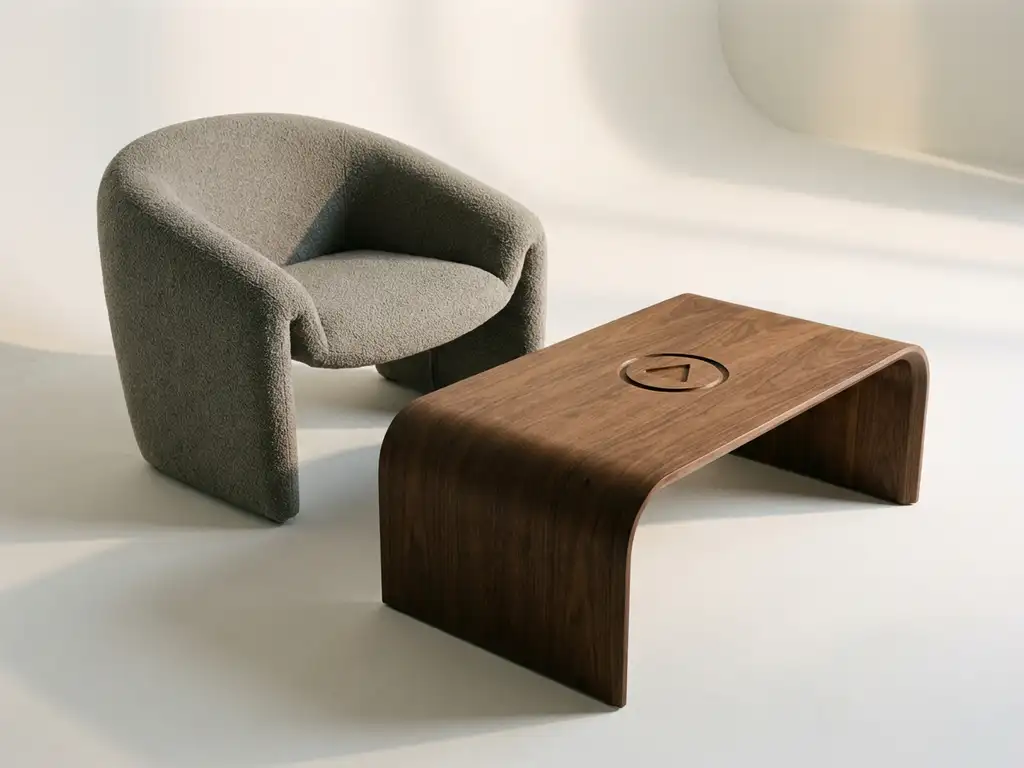
Both 3D product rendering and product videos serve distinct purposes when showcasing products online. 3D rendering creates interactive, customizable visual experiences that allow customers to explore products from every angle and configure options in real time. Product videos tell a story through motion but remain fixed in content. The right choice depends on whether your marketing goals call for dynamic customization or narrative presentation.
What’s the difference between 3D product rendering and product videos?
3D product rendering generates interactive, computer-generated visuals that customers can manipulate, rotate, and customize in real time. Product videos are pre-recorded sequences that show products through planned scenes and movements without viewer control.
The fundamental difference is interactivity and flexibility. 3D product rendering allows customers to change colours, materials, configurations, and viewing angles instantly. They can zoom in on specific details, switch between product variants, and see exactly how their customizations look before purchasing. This technology can generate multiple visual outcomes from a single 3D model.
Product videos follow a linear narrative structure. They excel at storytelling, demonstrating use cases, and creating emotional connections through music, lighting, and cinematography. Videos work well for showing products in lifestyle contexts or explaining complex features through guided demonstrations.
From a technical perspective, 3D rendering requires building detailed digital models with accurate materials and lighting. These models can generate unlimited visual variations. Videos require physical products, professional filming equipment, and post-production editing for each variation you want to showcase.
The visual outcomes differ significantly. 3D rendering produces consistent, ideal lighting and angles every time. Videos capture real-world imperfections but can create more atmospheric and emotionally resonant presentations through creative cinematography.
Which is more cost-effective for showcasing product variations?
3D product rendering becomes significantly more cost-effective than video production when showcasing multiple product variations. Once you create the initial 3D model, generating new configurations costs virtually nothing. Videos require separate filming sessions for each variation.
The initial investment for 3D rendering includes model creation, material development, and platform setup. This upfront cost might seem higher than producing a single product video. However, the scalability advantages become apparent quickly. Adding new colours, materials, or configurations to a 3D model takes hours rather than days of video production.
Consider a furniture company with sofas available in 50 fabric options and 10 frame colours. Creating 500 individual product videos would require extensive shooting time, multiple product samples, and significant post-production work. A single 3D model can display all variations instantly through configuration technology.
Visual Commerce Solutions
Talk to our team about your project.
Video production costs multiply with complexity. Each new angle, lighting setup, or product variation requires additional filming time. Professional video shoots involve equipment rental, studio space, lighting technicians, and editing specialists. These costs accumulate rapidly when showcasing extensive product ranges.
Long-term value favours 3D rendering for businesses with evolving product lines. When you launch new products or update existing ones, 3D models adapt quickly. Videos become outdated and require complete re-production when products change.
For businesses with limited product variations, or those prioritising emotional storytelling over customization, video production might offer better initial value. However, most companies with configurable products find that 3D rendering delivers a superior return on investment.
How do customers respond to 3D product visualization versus video content?
Customers show higher engagement with interactive 3D product visualization than with static video content. The ability to control viewing angles and customize products creates a sense of ownership and confidence that videos cannot match.
Interactive experiences naturally hold attention longer. When customers can rotate, zoom, and configure products themselves, they spend more time exploring features and options. This extended engagement translates into better product understanding and increased purchase confidence.
Different customer types prefer different approaches. Detail-oriented buyers gravitate towards 3D visualization because they can examine products thoroughly. Visual learners appreciate being able to see exactly how their customizations look. Customers who value convenience enjoy configuring products without visiting physical stores.
Video content appeals to customers who prefer guided experiences. Some buyers want to see products in lifestyle contexts or understand usage scenarios through storytelling. Videos work particularly well for complex products that require explanation or demonstration.
The conversion impact varies by product type and stage in the customer journey. 3D product configurators excel during the consideration phase, when customers compare options and make decisions. Videos perform well during the awareness stage, when customers need education about product benefits.
Mobile users increasingly expect interactive experiences. 3D visualization adapts naturally to touch interfaces, allowing customers to explore products through intuitive gestures. Videos require playback controls and do not offer the same tactile engagement on mobile devices.
Customer behaviour data shows that interactive 3D experiences reduce return rates because customers better understand what they are purchasing. When buyers can see exactly how their configured product looks, there are fewer surprises upon delivery.
What are the technical requirements for implementing each approach?
3D product rendering requires robust hosting infrastructure, 3D modelling software, and integration capabilities with existing e-commerce platforms. Video implementation requires content delivery networks, video hosting solutions, and bandwidth management for smooth playback across devices.
For 3D rendering systems, you need servers capable of handling real-time rendering calculations, or cloud-based solutions that manage computational demands. The platform must integrate with your product catalogue, pricing systems, and checkout processes. Modern solutions offer headless integration options that work with various e-commerce platforms.
Technical expertise requirements differ significantly. 3D implementation involves understanding model optimization, texture mapping, and rendering performance. Your team needs knowledge of API integrations and database management for product configurations. However, many platforms provide user-friendly interfaces that minimize technical complexity.
Video production workflows require different technical skills. You need video editing software, compression knowledge, and an understanding of various video formats for different devices. Storage requirements grow quickly with high-quality video files, especially when showcasing multiple product variations.
Bandwidth considerations affect the two approaches differently. 3D models load once and generate multiple views locally, reducing ongoing bandwidth usage. Videos require streaming or downloading entire files for each viewing, creating higher bandwidth demands.
Integration complexity varies by solution. Professional 3D platforms offer pre-built connectors for popular e-commerce systems. Video integration typically involves embedding players and managing content delivery networks for optimal performance.
Maintenance requirements also differ. 3D systems need periodic model updates and performance optimization. Video libraries require ongoing file management, format updates, and quality maintenance across different devices and connection speeds.
You can explore various implementation approaches to understand which technical requirements align best with your current infrastructure and team capabilities.
How does 3Dimerce help with product visualization decisions?
We provide comprehensive visual product experience platforms that eliminate the need to choose between 3D rendering and video content. Our solution combines interactive 3D product configuration with high-quality visual output that rivals traditional photography and videography.
Our approach addresses the core challenges businesses face when deciding between visualization methods:
- Unified platform: Create interactive 3D experiences that generate both static images and dynamic content from single product models
- Scalable production: Build extensive product catalogs without the recurring costs of traditional photography or video production
- Seamless integration: Connect with existing e-commerce platforms through headless integration strategies
- Cross-channel consistency: Maintain visual quality across online stores, mobile apps, and in-store displays
- Real-time customization: Enable customers to configure products and see results instantly with photorealistic quality
We specialize in serving design-led manufacturers and premium brands that cannot compromise on visual quality. Our platform delivers stunning visuals with blazing-fast performance, ensuring that even complex product configurations load quickly across all devices.
Rather than forcing you to choose between 3D rendering and video content, we create solutions that deliver the benefits of both approaches. Your customers get interactive control over product exploration while experiencing the visual quality that supports your brand’s premium positioning.
Ready to explore how visual product configuration can transform your customer experience? Contact our team to discuss your specific visualization needs and discover how we can help you create compelling product experiences that drive engagement and conversions.