
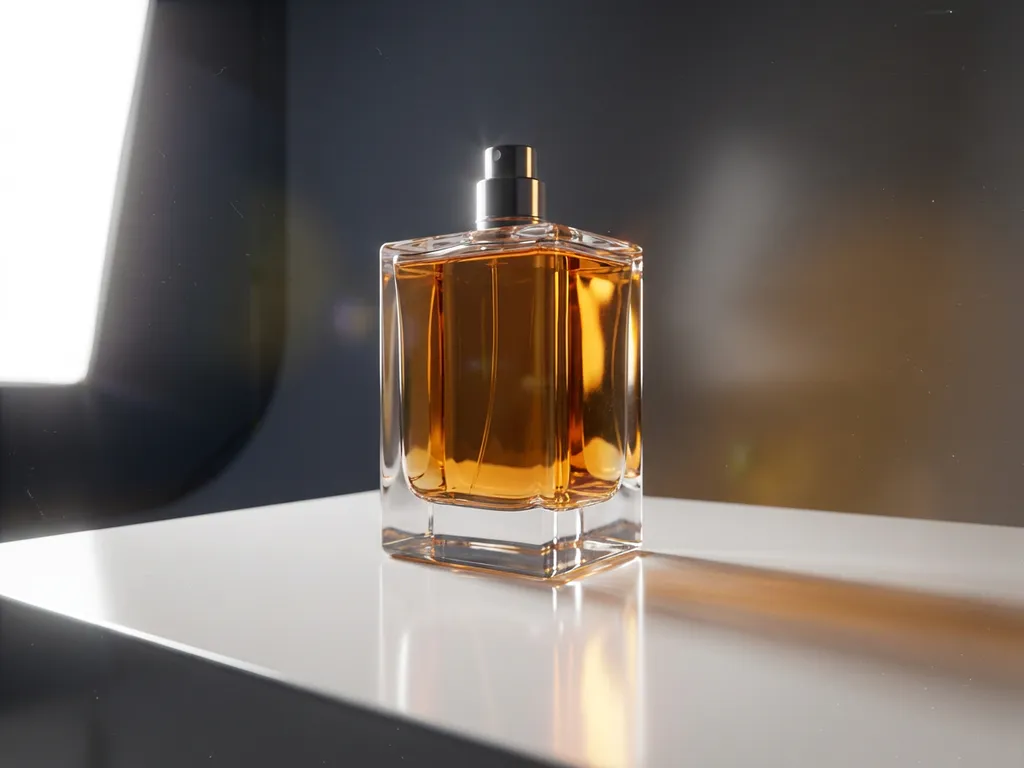
Octane Render is a GPU-accelerated, physically based rendering engine developed by OTOY — meaning it simulates real-world light physics entirely on the graphics card rather than the CPU, producing photorealistic images at unprecedented speeds. In the context of octane render product visualization, this translates directly to 3D product configurators that display materials, finishes, and lighting with cinema-level accuracy in real time. When integrated into e-commerce and luxury brand environments, Octane Render closes the gap between how a product looks in a showroom and how it appears on screen. Traditional rendering engines simply cannot match this combination of speed and physical fidelity.
Why are slow rendering speeds costing you potential customers?
When customers interact with product configurators that take several seconds to update visual changes, sales opportunities are lost with every delayed frame. Industry experience shows that even a one-second delay in visual feedback measurably reduces customer engagement, while delays beyond three seconds often result in complete abandonment of the configuration process. This is particularly damaging for high-end products, where customers expect immediate, smooth interactions that match the premium nature of what they’re purchasing. The solution lies in implementing GPU-accelerated rendering engines that can process complex material changes and lighting adjustments in real time, keeping customers engaged throughout their entire configuration journey.
What is the business ROI of switching to Octane Render for product visualization?
Implementing a new rendering solution is a business investment that must be justified to internal stakeholders — and the case for Octane Render is built on three measurable impact areas that decision-makers in luxury and design industries consistently encounter. The following scenarios are indicative estimates based on typical configurations rather than guaranteed outcomes, but they illustrate the business logic clearly.
- Conversion rate improvement: Reducing configurator load time from 4 seconds to under 1 second recovers a meaningful share of engagement drop-off, translating to a significantly higher number of completed configurations per month — directly increasing the pipeline of purchase-ready customers.
- Reduction in physical photography costs: Photorealistic 3D renders produced with Octane Render can replace costly product photography shoots for variant-heavy product lines. For brands managing dozens or hundreds of SKUs across multiple colorways and finishes, the per-SKU cost reduction is substantial and compounds quickly at scale.
- Premium pricing retention: Brands whose digital presentation matches the quality of their physical products are better positioned to defend premium price points. When the configurator experience signals craftsmanship and precision, price sensitivity decreases and brand trust increases before the customer ever touches the product.
Contact our team to model your specific ROI scenario and understand what a transition to Octane Render could mean for your product lines.
What does poor visual quality signal about your brand positioning?
Subpar product visualizations — flat lighting, unrealistic materials, or visible digital artifacts — immediately undermine brand credibility, especially in the luxury and design markets. When potential customers see low-quality 3D renders, they unconsciously associate this with inferior product quality, regardless of how exceptional the actual products may be. This perception gap erodes premium pricing power and customer trust before they ever experience the product firsthand. Investing in advanced rendering technology that produces photorealistic visuals with accurate material representation, proper lighting, and seamless real-time updates directly closes that gap.
Visual Commerce Solutions
Talk to our team about your project.
What is Octane Render and how does it work?
Octane Render is a physically based, unbiased rendering engine developed by OTOY that uses GPU (graphics processing unit) processing power to create photorealistic images and animations. Unlike traditional CPU-based renderers, Octane is designed specifically for graphics card acceleration, using the parallel processing capabilities of modern GPUs to dramatically reduce render times while maintaining exceptional visual quality.
The engine simulates how light behaves in the real world through advanced path-tracing algorithms. Each light interaction is calculated with full physical accuracy:
- Light ray casting: Rays are traced from the camera into the scene, bouncing between surfaces to calculate what the eye would perceive at each pixel.
- Surface interaction calculation: At every surface, Octane calculates reflection, refraction, and scattering based on the physical properties of each material — no shortcuts, no approximations.
- Physical phenomena output: The result is accurate caustics through glass, subsurface scattering in translucent materials, and natural global illumination that fills shadows the way real light does.
Octane’s node-based material system allows artists to create complex, layered materials that respond to light just like their real-world counterparts. The engine supports metals, dielectrics, and multi-layered materials, each with physically accurate properties that contribute to the overall realism of the final render.
How does Octane Render improve visual quality for product configurators?
Octane Render transforms product configurators by delivering cinema-quality visuals that showcase products with high physical accuracy. The engine’s material system accurately represents surface properties — fabric textures, metal finishes, glass transparency — allowing customers to see precisely how their configured product will look in real life, not a digital approximation of it.
Lighting techniques that make products look real
Octane supports three core lighting approaches that are essential for professional octane render product visualization, each suited to different product types and brand aesthetics:
- HDRI environment lighting: A high-dynamic-range image is wrapped around the entire scene, providing realistic ambient reflections and natural light gradients — the preferred approach for jewelry, automotive finishes, and any product where environmental reflection is part of the visual appeal.
- Studio lighting setups: Area lights and softboxes are simulated with full physical accuracy, producing clean, shadow-controlled product imagery that mirrors professional photography — ideal for fashion, furniture, and tabletop products.
- Mixed lighting: Environment and artificial light sources are combined to create lifestyle scenes that place products in context, supporting brand storytelling and emotional engagement for interior and home design categories.
This level of lighting control is particularly valuable for furniture and interior design applications, where lighting directly determines how colors and surface finishes read on screen.
PBR materials and texture mapping for accurate surface representation
Physically based rendering (PBR) materials define surface properties — roughness, metalness, and albedo — using real-world measured values rather than artistic guesswork. This means a brushed steel finish in the configurator behaves optically the same way the physical material does under equivalent lighting. Displacement mapping adds surface relief detail at the geometry level, enabling fine textures like leather stitching, fabric weave, or embossed patterns to cast accurate micro-shadows. For materials like frosted glass, wax candles, or translucent stone, subsurface scattering simulates how light penetrates the surface and scatters internally — a detail that separates convincing luxury product renders from flat, unconvincing ones.
Seeing the difference: traditional rendering vs. Octane Render quality
The contrast between a traditionally CPU-rendered product image and an Octane Render output is immediately visible to any discerning eye. A standard CPU render typically presents flat, directionless lighting, visible aliasing on curved surfaces, and material sheen that reads as plastic regardless of the intended finish. An Octane Render output of the same product reveals accurate subsurface scattering in leather upholstery, realistic caustic patterns cast through glass components, and true-to-life metallic reflections that shift naturally as the viewing angle changes. For luxury and design audiences, this difference is not subtle — it is the gap between a product that looks premium and one that undermines the brand before a single word is read.
Our work: photorealistic product configurators built by 3Dimerce
We invite you to explore our portfolio of implemented Octane Render product configurators, featuring furniture collections, automotive accessories, and fashion goods rendered to a standard that matches the ambition of the brands we work with. These examples demonstrate precisely the quality gap that separates a premium digital experience from a standard one — and they represent what we deliver as standard, not as an exception.
What’s the difference between Octane Render and other rendering engines?
Octane Render differs from other rendering engines primarily through its GPU-first architecture and unbiased rendering approach. Where many engines rely on CPU processing or hybrid CPU-GPU systems, Octane is built exclusively for graphics card acceleration — resulting in significantly faster render times at equivalent quality levels.
The distinction in rendering philosophy has direct consequences for output quality:
- CPU-biased engines use shortcuts: Approximations like irradiance caching and photon mapping speed up calculations but introduce inaccuracies in material response, particularly for complex surfaces.
- Octane uses full unbiased path tracing: Every light interaction is simulated without approximation, meaning the output is physically correct rather than visually plausible.
- The result is superior material accuracy: Brushed metals, translucent plastics, multi-layered fabrics, and iridescent finishes all render with a fidelity that biased engines cannot replicate at comparable speeds.
Octane also supports spectral rendering, which simulates light across the full electromagnetic spectrum rather than limiting calculations to RGB values. This results in more accurate color reproduction and better material interaction — particularly important for products where color fidelity is critical, such as automotive finishes or textile applications.
How does Octane Render use AI and machine learning to optimize rendering?
Octane Render integrates AI-driven tools that dramatically reduce the number of render samples needed to achieve a clean, publication-ready image — without sacrificing the physical accuracy that makes octane render product visualization so compelling. These machine learning capabilities represent a significant leap beyond traditional rendering pipelines, enabling faster iteration cycles and smoother real-time experiences for end users.
AI denoising and Spectral AI
Octane’s AI denoiser uses trained neural networks to remove noise from low-sample renders, producing clean, artifact-free results in a fraction of the time that traditional sample accumulation would require. Rather than waiting for hundreds of render passes to converge, the denoiser interprets the partially rendered image and intelligently reconstructs detail — preserving sharp material edges, subtle texture variation, and accurate lighting gradients. Spectral AI extends this capability further by combining AI-assisted denoising with physically accurate light wavelength simulation, ensuring that color accuracy and material response are maintained even at reduced sample counts. For product configurators where response time is critical, this combination means customers see high-quality visual feedback almost immediately.
Machine learning-accelerated render times
Beyond denoising, machine learning algorithms within Octane’s pipeline learn from scene data to predict and prioritize the most important light paths in a given environment. In complex product scenes — multiple material variants, reflective surfaces, layered lighting setups — this predictive approach eliminates computational effort spent on light paths that contribute minimally to the final image. The practical outcome is that AI optimize rendering times for scenes that would traditionally require several seconds of processing, bringing them into the sub-second range that interactive configurators demand. For brands managing large product catalogs with extensive material libraries, this machine learning acceleration scales efficiently, maintaining performance as scene complexity grows.
Which 3D software and e-commerce platforms work with Octane Render?
Octane Render integrates natively with the most widely used 3D creation tools in the luxury and design industry, making it accessible within existing production pipelines rather than requiring a complete workflow rebuild. This compatibility is a critical factor for studios and in-house teams evaluating whether Octane fits their current infrastructure.
Cinema 4D, Blender, and 3ds Max compatibility
The OctaneRender for Cinema 4D plugin provides a fully integrated workflow where artists can render directly within the Cinema 4D interface, with live viewport previews and seamless material assignment — making it the preferred combination for furniture, interior, and product visualization studios that already operate within the Cinema 4D ecosystem. Blender users can access Octane through a dedicated plugin that brings GPU-accelerated path tracing into Blender’s native node-based material system, while 3ds Max integration supports architectural visualization and automotive design workflows where that platform is standard. In each case, existing 3D assets and material libraries can be adapted for Octane without rebuilding scenes from scratch.
E-commerce platform integration
Rendered assets and real-time configurator outputs produced with Octane Render can be embedded into platforms such as Shopify and custom-built e-commerce environments, delivering photorealistic visual experiences directly within the purchase journey. We handle this integration end-to-end — from optimizing rendered outputs for web delivery to embedding interactive configurators into your storefront — ensuring that the visual quality achieved in production reaches your customers without compromise.
How fast can Octane Render process product visualizations?
Octane Render’s GPU acceleration delivers render times that are substantially faster than traditional CPU-based methods — often 10 to 50 times faster, depending on scene complexity and hardware configuration. For product configurators, this translates to near-instantaneous visual updates when customers modify product options.
Performance varies by hardware tier and scene complexity. The following represents representative estimates based on typical configurations rather than official benchmarks:
- Simple single-product scenes (one material, studio lighting): Entry-level GPUs such as the NVIDIA RTX 3070 deliver near-instant results under 200ms; professional cards like the RTX 3090 render the same scene in well under 100ms.
- Standard product scenes (multiple material variants, HDRI environment): Professional hardware handles these comfortably in the 100ms–1 second range, keeping configurator interactions smooth and responsive.
- Complex multi-material scenes (ten or more variants, reflective surfaces, layered lighting): Enterprise multi-GPU setups based on RTX 4090 hardware process these scenes in 1–3 seconds, while entry-level hardware may require progressive rendering to maintain perceived responsiveness.
We optimize scene architecture and material libraries to ensure that all hardware tiers deliver smooth user experiences — and we invite you to contact us for a performance assessment tailored to your specific product range and configurator requirements.
Octane’s progressive rendering approach means users see an initial result almost immediately, with image quality refining progressively as additional samples are calculated. This ensures that even complex scenes provide instant feedback while detail continues to improve in the background — an optimal balance between speed and quality for interactive applications.
How 3Dimerce integrates Octane Render into product configurators
At 3Dimerce, we integrate cutting-edge rendering technologies — including Octane Render — into our visual product experience platform, purpose-built for luxury and design-driven brands. Our platform combines advanced rendering capabilities with intuitive configuration tools, delivering the photorealistic quality and real-time performance that premium brands require to convert browsers into buyers.
Beyond static images: product animations and motion design with Octane Render
Octane Render produces frame-by-frame animated product sequences with the same photorealistic quality as static renders, making it equally powerful for launch campaigns, social content, and digital advertising as it is for interactive configurators. Motion design applications — animated material transitions, rotating product views, dynamic lighting shifts that reveal how a finish changes across viewing angles — give luxury brands the visual storytelling tools their campaigns demand. We leverage these capabilities to deliver not just configurators but complete visual commerce content packages: from the interactive purchase experience to the campaign assets that drive traffic toward it. When your brand needs product visualization that moves as compellingly as it sits still, we bring Octane’s full motion capabilities to bear.
Key advantages of our approach include:
- Seamless integration of high-end rendering engines with user-friendly configurators
- Optimized performance across all devices while maintaining visual excellence
- Scalable platform that grows with your product range without compromising speed
- Expert implementation support ensuring maximum visual impact from day one
Ready to transform your product visualization with cinema-quality rendering? Contact our team to discover how we can elevate your brand’s digital presence with stunning, blazing-fast product configurators that showcase your products in their best light.
Octane Render in action: use cases across luxury and design sectors
Octane Render’s capabilities are not generic — they address specific, high-stakes visualization challenges that recur across the luxury and design industries. The following use cases illustrate how octane render product visualization solves real problems for real decision-makers, and how we implement these solutions for our clients.
Furniture and interior design
Furniture buyers face a fundamental challenge online: they need to visualize how a piece will look in their specific space, under their specific lighting, in their chosen fabric or finish — before committing to a significant purchase. Octane Render addresses this directly through real-time PBR material switching for upholstery textures, accurate HDRI-based room lighting that shows how a sofa’s fabric reads under warm residential light versus cool daylight, and displacement mapping that renders the tactile quality of woven textiles convincingly on screen. We implement these capabilities into furniture configurators that give buyers the confidence to complete their purchase without a showroom visit.
Automotive and mobility
Automotive visualization demands a level of material precision that exposes the limitations of standard rendering engines immediately — metallic paint finishes, chrome trim, and tinted glass all behave in ways that biased renderers approximate poorly. Octane’s spectral rendering accurately simulates the wavelength-dependent behavior of automotive paint, capturing the color-shift and depth that makes a premium finish look premium rather than flat. For automotive brands and mobility companies presenting configurable vehicles or accessories online, this accuracy is not a cosmetic enhancement — it is a direct factor in whether the digital experience matches the showroom expectation. We build these configurators with the fidelity that automotive audiences demand.
Fashion and textiles
Fashion and textile products present some of the most technically demanding visualization challenges: translucent fabrics that require subsurface scattering to render convincingly, thread-level texture accuracy that determines whether a weave reads as silk or synthetic, and material behavior under varied lighting that affects how a garment’s color communicates on screen. Octane Render handles all of these with physical accuracy, enabling fashion brands to present collections digitally without the color and texture compromises that plague standard rendering pipelines. We deliver fashion configurators and product visualization assets that match the visual standard of editorial photography — at a fraction of the per-SKU cost.
Frequently Asked Questions
What hardware requirements are needed to run Octane Render effectively for product configurators?
Octane Render requires a compatible NVIDIA graphics card with CUDA support (GTX 900 series or newer recommended) and at least 4GB of VRAM for basic scenes, though 8GB+ is preferred for complex product visualizations. For optimal performance in real-time configurators, consider RTX 3080 or higher with 10GB+ VRAM, paired with sufficient system RAM (16GB+) and a modern CPU to handle scene management and user interactions.
How do I get started with implementing Octane Render in my existing product configurator?
Begin by evaluating your current 3D pipeline and identifying integration points where Octane can replace your existing renderer. Start with a pilot project featuring a single product line to test performance and visual quality improvements. Most implementations require updating your 3D assets with Octane-compatible materials and setting up proper lighting environments, which typically takes 2-4 weeks depending on complexity.
Can Octane Render handle real-time material changes for fabrics and complex surfaces?
Yes, Octane excels at real-time material switching thanks to its GPU acceleration and efficient memory management. Complex materials like fabrics, leather, and multi-layered surfaces can be swapped instantly while maintaining full lighting recalculation. The key is pre-loading material libraries and optimizing texture resolution to balance visual quality with performance for smooth user interactions.
What are the most common mistakes when integrating Octane Render into product configurators?
The biggest mistakes include using overly complex materials that slow performance, insufficient VRAM planning leading to crashes, and not optimizing lighting setups for real-time use. Many teams also underestimate the importance of proper asset preparation and fail to implement progressive rendering correctly, resulting in poor user experience despite Octane’s capabilities.
How does Octane Render licensing work for commercial product configurators?
Octane offers several licensing options including subscription-based Studio licenses for individual artists and Enterprise licenses for larger deployments. For product configurators, you’ll typically need commercial licenses that allow redistribution of the rendering engine within your application. Pricing varies based on the number of concurrent users and deployment scale, so contact OTOY directly for enterprise pricing.
Is it worth upgrading from my current rendering solution to Octane Render?
The upgrade is typically worthwhile if you’re experiencing slow render times (>3 seconds for material changes), poor visual quality that doesn’t match your brand standards, or customer abandonment due to sluggish configurator performance. Calculate the potential revenue impact of improved engagement rates and faster configuration times against implementation costs – most luxury brands see positive ROI within 6-12 months.