
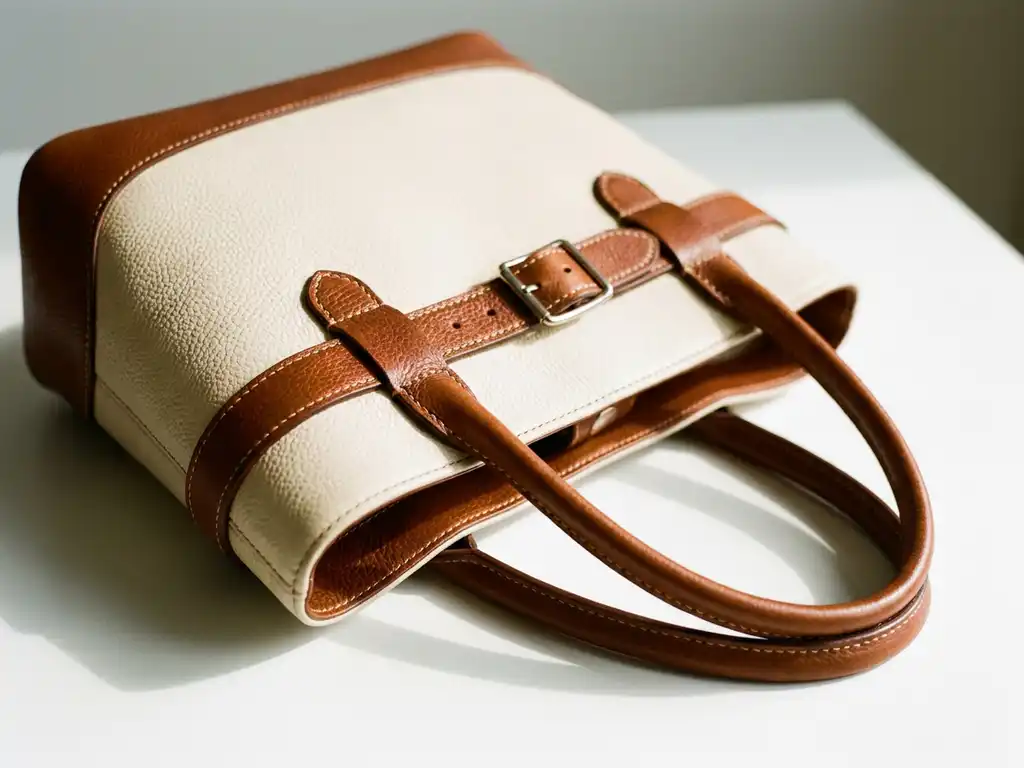
Physically Based Rendering (PBR) transforms e-commerce product images by creating photorealistic visuals that accurately simulate how materials interact with light in the real world. This advanced rendering technique uses mathematical models to replicate surface properties like roughness, metallic reflection, and transparency, delivering consistent, high-quality product images that outperform traditional photography in flexibility, cost-effectiveness, and visual impact.
Why are inconsistent product visuals undermining your premium brand positioning?
When your product images vary in lighting, color accuracy, and quality across different channels, customers begin to question whether your brand truly delivers the premium experience you promise. Inconsistent visuals create doubt about product quality, reduce perceived value, and force customers to second-guess their purchasing decisions. This visual inconsistency costs brands significantly through reduced conversion rates, increased return rates, and weakened brand trust. PBR eliminates these inconsistencies by ensuring every product image maintains the same high-quality lighting, accurate material representation, and professional presentation that reinforces your premium positioning.
How is traditional photography limiting your product catalog scalability?
Traditional product photography becomes exponentially more expensive and time-consuming as your product range grows, especially with configurable products that offer multiple color, material, and feature combinations. Each new variant requires separate photoshoots, studio time, and post-processing work, creating bottlenecks that delay product launches and limit your ability to respond quickly to market demands. This approach restricts innovation and prevents brands from offering the customization options customers increasingly expect. PBR breaks these limitations by generating unlimited product variations from a single 3D model, enabling brands to showcase every possible configuration without additional photography costs or delays.
Visual Commerce Solutions
Talk to our team about your project.
What is PBR and how does it work for product visualization?
Physically Based Rendering is a computer graphics technique that simulates how light behaves in the real world to create photorealistic images. Unlike traditional rendering methods that rely on artistic interpretation, PBR uses scientific principles to calculate how light interacts with different material surfaces. The system considers factors like surface roughness, metallic properties, and subsurface scattering to determine how light reflects, refracts, and is absorbed by materials.
For product visualization, PBR works by mapping these physical properties onto 3D models of your products. Each material receives specific parameters that define its real-world characteristics, such as how shiny a metal surface appears or how light penetrates fabric. When light sources illuminate the 3D scene, the PBR engine calculates the precise way light bounces off each surface, creating images that are virtually indistinguishable from professional photography.
Why is PBR better than traditional product photography?
PBR offers several compelling advantages over traditional photography for product visualization. First, it provides unlimited flexibility for lighting adjustments, camera angles, and environmental settings without requiring new photoshoots. Brands can instantly update product images to match seasonal campaigns or different market preferences without additional costs.
Cost efficiency represents another major benefit. While initial 3D model creation requires investment, PBR eliminates ongoing photography expenses for new product variants, different angles, and updated imagery. A single 3D model can generate thousands of unique images across various configurations, lighting conditions, and environments.
Consistency across all product images becomes automatic with PBR. Every image maintains the same professional lighting quality, color accuracy, and visual style, strengthening brand recognition and customer trust. Traditional photography struggles to achieve this consistency across multiple products and photoshoots.
Speed to market improves dramatically since new product images can be generated in hours rather than weeks. This agility enables brands to respond quickly to market trends, launch products faster, and test different visual approaches without logistical complications.
How does PBR improve customer experience in e-commerce?
PBR significantly enhances the online shopping experience by providing customers with accurate, detailed product representations that build confidence in purchasing decisions. The photorealistic quality helps customers understand exactly what they are buying, reducing uncertainty and the likelihood of returns due to unmet expectations.
Interactive product configuration becomes more engaging with PBR, allowing customers to see real-time updates as they customize products. Whether changing colors, materials, or features, customers receive immediate visual feedback that shows exactly how their choices affect the final product appearance. This interactivity increases engagement and helps customers feel more connected to their customized products.
The consistency of PBR imagery across all touchpoints creates a seamless experience whether customers browse online, visit physical stores, or review marketing materials. This unified visual experience reinforces brand professionalism and helps customers feel confident about their purchase decisions regardless of where they encounter your products.
Mobile optimization benefits significantly from PBR since the rendered images can be optimized for different screen sizes and loading speeds without losing visual quality. This ensures customers receive the same premium visual experience whether shopping on desktop computers or mobile devices.
What makes PBR materials look so realistic?
The realism of PBR materials stems from their scientific approach to simulating physical material properties. Each material receives multiple texture maps that define different characteristics: albedo maps control base color, normal maps create surface detail and texture, roughness maps determine how smooth or rough surfaces appear, and metallic maps specify which areas behave like metals versus non-metals.
Advanced lighting calculations make PBR materials appear authentic by accurately simulating how light interacts with different surface types. Metals reflect light differently than fabrics, and PBR systems understand these distinctions, creating convincing material representations that match customer expectations based on real-world experience.
Environmental reflection and global illumination contribute significantly to material realism. PBR considers how surrounding elements affect material appearance, including reflections from nearby objects and subtle color influences from ambient lighting. These details create the natural imperfections and variations that make materials appear genuinely three-dimensional.
Subsurface scattering simulation allows PBR to handle translucent materials like skin, wax, or certain plastics by calculating how light penetrates the surface and bounces around inside the material before emerging. This creates the soft, natural appearance that distinguishes high-quality materials from flat, unrealistic surfaces.
How can brands implement PBR for their product catalogs?
Successful PBR implementation begins with creating accurate 3D models of your products. These models must capture precise dimensions, proportions, and design details to serve as the foundation for realistic rendering. Many brands start with their most popular or configurable products to demonstrate value before expanding to their full catalog.
Material definition requires careful attention to accurately represent your product materials in the digital environment. This process involves analyzing physical samples to determine the correct PBR parameters for each material type. Professional 3D artists with experience in your industry can ensure material accuracy that meets your brand standards.
Integration with existing e-commerce platforms requires planning to ensure PBR-generated images work seamlessly with your current website, mobile apps, and sales tools. Modern PBR systems offer APIs and integration options that connect with popular e-commerce platforms and content management systems.
Quality control processes should be established to maintain consistency across all PBR-generated imagery. This includes setting standards for lighting, camera angles, and material representation that align with your brand guidelines and customer expectations.
Training for marketing and sales teams helps maximize the benefits of PBR technology. Team members should understand how to generate new images, adjust configurations, and leverage the system’s capabilities to support marketing campaigns and sales presentations. You can explore real-world examples of successful PBR implementation in our use cases to understand how different industries have transformed their product visualization.
How We Help with PBR Implementation
We specialize in delivering premium PBR solutions that transform product visualization for luxury and design-focused brands. Our comprehensive approach combines cutting-edge technology with deep industry expertise to create stunning visuals that enhance your brand positioning and drive customer engagement.
Our PBR implementation services include:
- Custom 3D model creation with precise material mapping for photorealistic results
- Seamless integration with your existing e-commerce platform and sales tools
- Advanced lighting and environmental setup that showcases your products in their best light
- Ongoing support and optimization to ensure consistent, high-quality output
- Training and documentation to empower your team to leverage the full potential of PBR technology
With over 20 years of experience in 3D visualization and a proven track record serving premium brands across Europe, we understand the unique requirements of luxury product presentation. Our visual product configuration platform delivers blazing-fast performance while maintaining the stunning visual quality your brand demands. Ready to transform your product visualization with professional PBR implementation? Contact us to discuss how we can elevate your product imagery and enhance your customer experience.
Frequently Asked Questions
How long does it typically take to implement PBR for an entire product catalog?
Implementation timelines vary based on catalog size and complexity, but most brands see initial results within 4-8 weeks for their core products. A typical rollout involves creating 3D models for 10-20 key products first, then expanding to the full catalog over 3-6 months. The initial setup requires the most time, but once your material library and workflows are established, adding new products becomes much faster.
What are the upfront costs compared to traditional photography, and when do I break even?
While PBR requires higher initial investment for 3D modeling and setup ($5,000-$15,000 per product depending on complexity), most brands break even within 6-12 months due to eliminated photography costs. For brands with multiple product variants or frequent catalog updates, the break-even point often occurs much sooner since PBR generates unlimited images from a single 3D model without additional photoshoot expenses.
Can PBR handle complex materials like fabric textures, leather grain, or transparent plastics?
Yes, PBR excels at rendering complex materials through advanced techniques like subsurface scattering for translucent materials, detailed normal mapping for fabric textures, and accurate reflection models for various surface types. Materials like leather, velvet, glass, and even liquid surfaces can be rendered with remarkable accuracy that often surpasses traditional photography in consistency and detail control.
How do I ensure PBR images match my existing brand photography style?
PBR systems can be calibrated to match your current photography style through careful lighting setup, camera angle selection, and color grading. We typically analyze your existing product images to replicate the same lighting conditions, background treatments, and overall aesthetic in the PBR environment, ensuring seamless integration with your current visual brand identity.
What happens if I need to update product designs or materials after PBR implementation?
Product updates are much simpler with PBR than traditional photography. Design changes require updating the 3D model, while material changes involve adjusting the PBR parameters. Both processes can typically be completed within days rather than weeks, and all existing image variants automatically reflect the updates without requiring new photoshoots or extensive post-processing work.
Do customers actually notice the difference between PBR and traditional photography?
While customers may not consciously identify the rendering technique, they definitely notice the improved consistency, quality, and interactive capabilities that PBR enables. Studies show that consistent, high-quality product imagery increases conversion rates by 20-30% and reduces return rates significantly because customers have more accurate expectations about their purchases.
Can PBR work effectively for small businesses, or is it only viable for large enterprises?
PBR is increasingly accessible for businesses of all sizes, especially those with configurable products or frequent catalog updates. Small businesses often see faster ROI because they can eliminate ongoing photography costs while gaining the ability to showcase product variations that were previously too expensive to photograph. Many PBR providers offer scalable solutions that start with core products and expand as the business grows.