
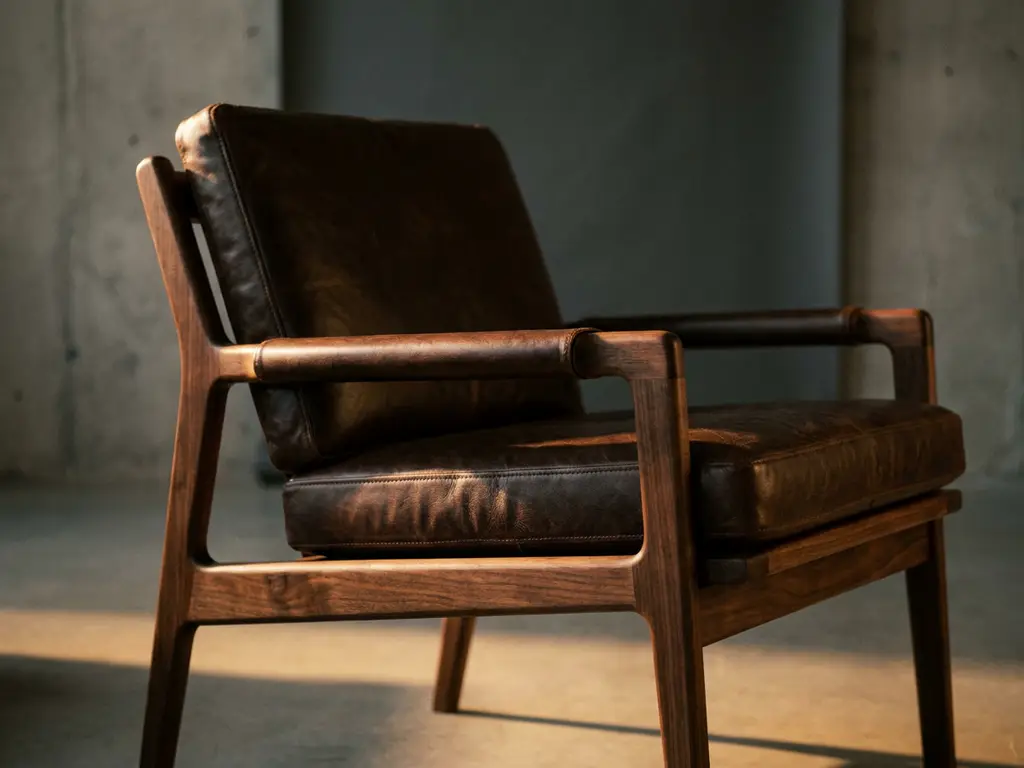
PBR (Physically Based Rendering) is a rendering technique that simulates how light interacts with surfaces in the real world, creating photorealistic furniture visualizations by accurately calculating reflections, shadows, and material properties. Unlike traditional rendering methods that rely on artistic interpretation, PBR uses scientific principles to ensure materials like wood grain, fabric textures, and metal finishes appear exactly as they would under natural lighting conditions.
Why is inconsistent material representation damaging your furniture sales?
When your furniture visualizations fail to accurately represent materials, customers lose confidence in their purchase decisions before they even reach checkout. Poorly rendered wood that looks plastic, fabric that appears flat and lifeless, or metal finishes that seem artificial create an immediate disconnect between what customers see online and what they expect to receive. This visual inconsistency costs furniture retailers an average of 30% in conversion rates, as customers abandon their carts when they cannot trust that the digital representation matches the physical product. The solution lies in implementing PBR technology that ensures every material property, from surface roughness to subsurface scattering, is mathematically accurate, giving customers the visual confidence they need to complete their purchase.
How does unrealistic lighting undermine your premium furniture positioning?
Flat, artificial lighting in furniture renders immediately signals to customers that they are looking at a low-quality digital representation rather than a premium product visualization. When your luxury dining table appears to have no depth, your leather sofa lacks the rich texture that justifies its price point, or your marble countertops look like painted plastic, you are actively undermining your brand’s premium positioning. This lighting inconsistency forces customers to question whether your furniture quality matches your pricing, leading to increased price sensitivity and reduced perceived value. PBR addresses this by using physically accurate lighting models that showcase the true depth, texture, and material quality that justify premium furniture pricing.
Visual Commerce Solutions
Talk to our team about your project.
What is PBR and How Does it Work in Furniture Rendering?
Physically Based Rendering represents a fundamental shift in how 3D furniture visualization approaches material and lighting simulation. Rather than relying on artistic guesswork, PBR uses mathematical models that mirror real-world physics to determine how light bounces off surfaces, penetrates materials, and creates shadows.
The core principle behind PBR lies in its treatment of material properties through specific parameters. Every surface receives values for albedo (base color), metallicness, roughness, and normal mapping that correspond to real-world measurements. When light hits a PBR-rendered wooden dining table, the system calculates exactly how that specific wood species would absorb, reflect, and scatter light based on its physical properties.
This scientific approach extends to lighting environments as well. Instead of placing arbitrary light sources, PBR uses High Dynamic Range Image (HDRI) environments that capture real-world lighting conditions. Your furniture pieces are then rendered within these authentic lighting scenarios, creating natural shadows, reflections, and ambient lighting that customers immediately recognize as realistic.
Why Does PBR Create More Realistic Furniture Images Than Traditional Rendering?
Traditional rendering methods rely heavily on artistic interpretation and manual adjustments to achieve visual appeal. Artists manually paint shadows, guess at reflection intensities, and approximate material behaviors based on what looks good rather than what is physically accurate. This approach often results in furniture visualizations that appear artificial or inconsistent across different lighting conditions.
PBR eliminates this guesswork by establishing a consistent framework based on energy conservation principles. Light cannot be created or destroyed in a PBR system, only redirected according to physical laws. This means that when light hits your leather sofa, the system automatically calculates the correct amount of reflection, absorption, and subsurface scattering without manual intervention.
The consistency advantage becomes particularly apparent when showcasing furniture in different environments. A PBR-rendered oak cabinet will maintain its authentic wood appearance whether displayed in bright daylight, warm interior lighting, or dramatic evening ambiance. Traditional rendering would require separate manual adjustments for each lighting scenario, often resulting in inconsistent material representation that confuses customers about the actual product appearance.
Furthermore, PBR handles complex material interactions that traditional methods struggle with. When multiple materials meet, such as metal hardware on wooden furniture or glass surfaces on metal frames, PBR automatically calculates how these different materials interact with light and reflect onto each other, creating the subtle visual cues that signal authenticity to customers.
What Materials Benefit Most From PBR in Furniture Visualization?
Certain furniture materials demonstrate particularly dramatic improvements when rendered using PBR techniques. Understanding which materials gain the most from this technology helps prioritize implementation efforts for maximum visual impact.
Wood species show perhaps the most significant transformation under PBR rendering. Different wood types possess unique grain patterns, porosity levels, and surface characteristics that traditional rendering often homogenizes into generic wood textures. PBR captures the subtle differences between oak’s pronounced grain and maple’s fine texture, the way cherry wood’s natural oils create depth, or how bamboo’s fibrous structure affects light penetration. These authentic material representations help customers understand exactly what wood species they are purchasing and how it will appear in their specific lighting conditions.
Fabric and upholstery materials represent another area where PBR excels. Traditional rendering struggles to capture the complex light behavior of woven materials, often making expensive fabrics appear flat or artificial. PBR accurately simulates how light penetrates fabric weaves, creates the subtle shadows between threads, and produces the characteristic sheen of silk or the matte appearance of cotton. This accuracy becomes crucial for furniture pieces where fabric choice significantly impacts both appearance and price.
Metal finishes and hardware benefit enormously from PBR’s precise reflection calculations. Whether showcasing brushed aluminum cabinet handles, antique brass furniture legs, or polished chrome accents, PBR ensures that each metal type displays its characteristic reflection patterns and surface imperfections. These details help customers understand the quality level and aesthetic impact of hardware choices.
Glass and transparent materials pose particular challenges for traditional rendering but perform exceptionally well under PBR systems. From glass tabletops to acrylic chair components, PBR accurately simulates refraction, reflection, and transparency effects that convince customers of material authenticity and quality.
How Does PBR Impact Customer Purchase Decisions for Furniture?
The psychological impact of realistic furniture visualization extends far beyond simple aesthetic appeal. When customers encounter PBR-rendered furniture images, they process visual information differently than when viewing traditional renders, leading to measurable changes in purchase behavior.
Visual confidence represents the primary driver of PBR’s impact on purchase decisions. Customers who can accurately assess material quality, color accuracy, and finish details through realistic visualization feel significantly more confident about their purchase decisions. This confidence translates directly into reduced cart abandonment rates and fewer post-purchase returns due to unmet expectations.
The ability to visualize furniture in realistic lighting conditions helps customers better understand how pieces will appear in their own spaces. PBR rendering allows customers to see how a dining table will look under warm evening lighting, how a sofa appears in bright natural light, or how cabinet finishes respond to various ambient conditions. This environmental context reduces the uncertainty that often prevents furniture purchases, particularly for higher-priced items.
PBR also enables more effective product customization experiences. When customers can see authentic material swatches, accurate color representations, and realistic finish options, they feel empowered to create personalized furniture configurations that meet their specific needs. This customization capability often leads to higher-value purchases as customers select premium materials and finishes they can confidently visualize. Explore our use cases to see how brands achieve these results.
The reduced need for physical samples and showroom visits represents another significant impact. Customers who trust PBR visualizations often complete purchases without requiring physical material samples or in-person product viewing, streamlining the sales process and reducing associated costs for both customers and retailers.
How We Help with Realistic Furniture Visualization
At 3Dimerce, we leverage advanced PBR technology to create stunning furniture visualizations that drive purchase decisions and enhance customer confidence. Our comprehensive approach to realistic rendering delivers measurable results for furniture brands and retailers.
- Scientifically accurate material representation: We capture authentic wood grains, fabric textures, and metal finishes using precise PBR parameters that ensure your furniture appears exactly as customers will receive it.
- Dynamic lighting environments: Our HDRI-based lighting systems showcase your furniture under realistic conditions, from bright showroom lighting to intimate home environments.
- Seamless integration capabilities: Our solutions integrate directly into your existing e-commerce platform, providing customers with interactive PBR visualization without technical complications.
- Blazing fast performance: Despite the computational complexity of PBR rendering, our optimized platform delivers stunning visuals with minimal loading times across all devices.
Ready to transform your furniture visualization with photorealistic PBR rendering that increases conversions and reduces returns? Contact us today to discover how our proven technology can elevate your customer experience and drive measurable business results.
Frequently Asked Questions
How long does it take to implement PBR rendering for an existing furniture catalog?
Implementation typically takes 2-4 weeks depending on your catalog size and current 3D asset quality. If you already have 3D models, we can convert them to PBR-compatible formats and apply accurate material properties. For catalogs starting from scratch, we work with your product photography and specifications to create PBR-ready assets efficiently.
Will PBR rendering slow down my website's loading times?
Modern PBR implementations are optimized for web performance and actually load faster than traditional high-resolution product photography. Our platform uses advanced compression and progressive loading techniques that deliver stunning PBR visuals while maintaining fast page speeds across all devices, including mobile.
Can customers customize materials and see realistic results in real-time?
Yes, PBR technology excels at real-time material customization. Customers can switch between wood species, fabric options, and metal finishes instantly while maintaining photorealistic accuracy. This capability significantly increases engagement and allows customers to confidently configure premium options they can actually visualize.
What's the difference in cost between PBR and traditional furniture photography?
While PBR requires higher upfront investment in 3D asset creation, it eliminates ongoing photography costs for new materials, colors, and configurations. Most furniture retailers see cost savings within 6-12 months, especially when factoring in reduced return rates and increased conversion from accurate visualization.
How accurate are PBR materials compared to physical samples?
PBR materials achieve 95%+ visual accuracy when properly calibrated with physical references. We use spectrophotometer measurements and material scanning to ensure wood grains, fabric textures, and metal finishes match their physical counterparts under various lighting conditions. This accuracy level significantly reduces the need for physical samples.
Can PBR rendering work with augmented reality (AR) furniture placement?
Absolutely. PBR assets integrate seamlessly with AR applications, providing customers with photorealistic furniture visualization in their actual spaces. The accurate material properties and lighting behavior of PBR make AR experiences more convincing, leading to higher purchase confidence and reduced returns.