
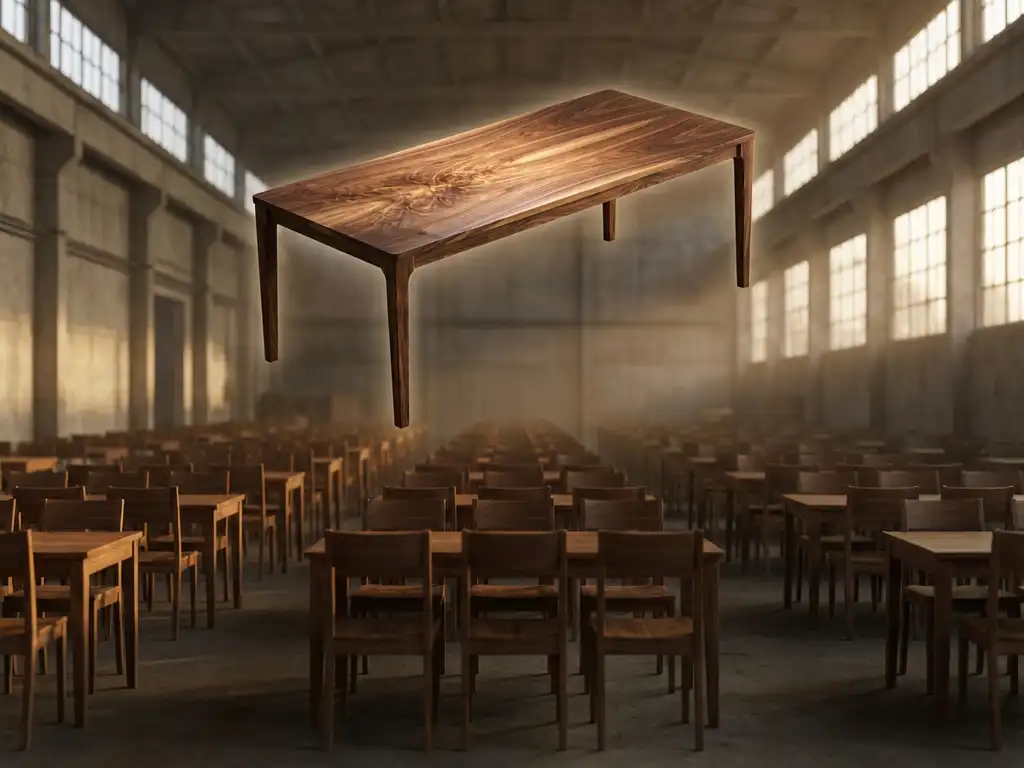
3D product rendering is highly scalable for large product catalogues through automated workflows, parametric modelling, and cloud-based processing capabilities. Unlike traditional photography, 3D rendering can generate thousands of product variations without additional photoshoots, making it particularly effective for brands with extensive product lines. The technology enables consistent quality across all variations whilst significantly reducing the time and costs associated with visual content production.
What makes 3D product rendering scalable for large catalogues?
Parametric modelling and automated workflows form the foundation of scalable 3D product rendering. These systems create master templates that automatically generate variations based on predefined parameters such as colour, material, size, and configuration options. Cloud-based processing power handles the computational demands of rendering thousands of images simultaneously.
Scalability comes from several technical factors working together. Template-based systems allow a single master 3D model to produce unlimited variations without rebuilding geometry. Automated rendering pipelines process multiple product configurations in batches, often overnight or during off-peak hours. Cloud infrastructure scales computing resources up or down based on demand, ensuring consistent performance regardless of catalogue size.
Modern 3D rendering platforms integrate directly with product information management systems, automatically pulling specifications and generating visuals when new products are added. This eliminates manual intervention for routine updates and ensures catalogue consistency across all channels.
How does automated 3D rendering compare to traditional photography for large product lines?
Automated 3D rendering dramatically reduces both time and costs compared to traditional photography for extensive catalogues. Photography requires individual shoots for each product variation, whereas 3D systems generate unlimited variations from a single digital model. Quality remains consistent across all outputs, eliminating lighting and setup variations common in photography.
Cost differences become substantial with large catalogues. Traditional photography involves studio rental, equipment, lighting setup, and post-production for every variation. 3D rendering requires initial model creation but generates subsequent variations at minimal additional cost. Time savings are equally significant: photography might take days or weeks for hundreds of variations, whereas 3D rendering can produce the same quantity overnight.
Flexibility is another major advantage. Product changes require new photoshoots with traditional methods, but 3D models can be updated instantly across all variations. Advanced 3D solutions also enable angles and environmental settings that would be impossible, impractical, or prohibitively expensive to achieve physically.
Visual Commerce Solutions
Talk to our team about your project.
What are the key challenges when scaling 3D rendering for enterprise catalogues?
Data management and quality control present the primary challenges when implementing 3D rendering at enterprise scale. Large catalogues require systematic organisation of 3D assets, textures, and product specifications. Maintaining consistent quality standards across thousands of rendered images demands robust review processes and automated quality checks.
Integration complexity increases with catalogue size and existing system requirements. Enterprise platforms often need seamless connections with existing e-commerce systems, product information management tools, and content management platforms. Technical teams must ensure rendering workflows don’t disrupt current operations whilst maintaining data accuracy across all touchpoints.
Resource allocation requires careful planning for both initial setup and ongoing maintenance. Large catalogues need significant computational resources during peak rendering periods. Staff training becomes crucial as teams transition from traditional photography workflows to 3D-based processes, requiring new skills and an understanding of digital asset management.
Which industries benefit most from scalable 3D product visualisation?
Furniture, automotive, and fashion industries see the greatest returns from scalable 3D product visualisation due to their extensive product variations and customisation options. These sectors typically offer multiple colours, materials, sizes, and configurations that would be expensive to photograph comprehensively.
Furniture manufacturers particularly benefit because customers expect to see products in various finishes, fabrics, and room settings. 3D rendering enables unlimited environmental contexts and material combinations without physical samples. Automotive companies leverage 3D visualisation to show vehicle configurations, colours, and optional features that would be impractical to photograph for every combination.
Manufacturing industries with technical products also gain significant advantages. Complex machinery, industrial equipment, and technical components often require detailed views, cutaway illustrations, and exploded diagrams that are easier to create and modify using 3D models than with traditional photography.
How do you implement scalable 3D rendering without overwhelming your team?
A phased implementation approach prevents team overwhelm whilst building 3D rendering capabilities gradually. Start with a single product line or category to establish workflows and train staff before expanding to the full catalogue. This allows teams to develop expertise and identify potential issues on a manageable scale.
Training requirements focus on new skills rather than replacing existing knowledge. Marketing teams learn to brief 3D artists instead of photographers, whilst technical staff learn digital asset management rather than physical inventory management. Many successful implementations pair experienced team members with 3D specialists during the transition period.
Workflow integration should complement existing processes rather than disrupting them entirely. Successful implementations often run parallel systems initially, gradually shifting responsibilities as confidence and capabilities develop. Clear communication about timelines, expectations, and support resources helps teams adapt without feeling overwhelmed by the technological change.
How 3Dimerce supports scalable 3D product visualisation
We address scalability challenges through our comprehensive SaaS platform that combines automated workflows, seamless integrations, and dedicated support for large catalogue implementations. Our system handles the technical complexity whilst your team focuses on business results.
Our scalable 3D product rendering solution includes:
- Automated batch processing for thousands of product variations
- Direct integration with existing e-commerce and PIM systems
- Cloud-based infrastructure that scales with your catalogue size
- Comprehensive training and ongoing technical support
- Quality assurance processes ensuring consistent visual standards
Ready to explore how scalable 3D product visualisation can transform your large catalogue management? Contact our team to discuss your specific requirements and see how we can streamline your product visualisation workflow whilst maintaining the premium quality your brand demands. Learn more about our company and our commitment to delivering exceptional 3D visualisation solutions.