
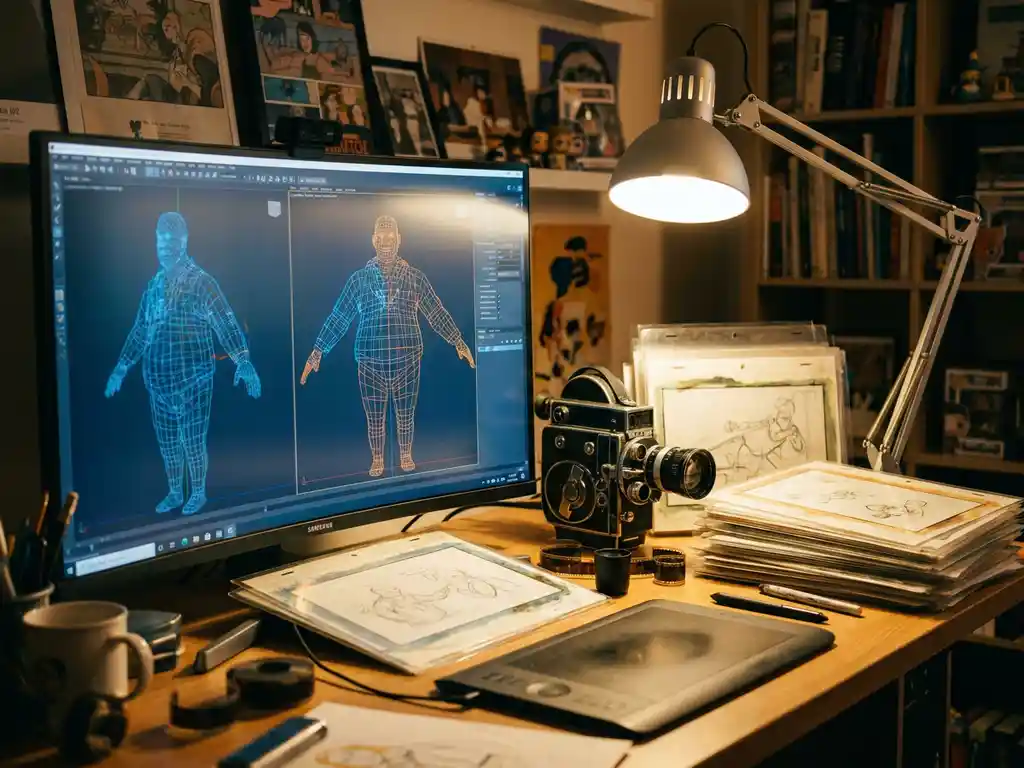
The fundamental difference between 3D animation and traditional video lies in how the content is created: 3D animation is digitally generated using computer graphics software to create virtual objects, environments, and characters, while traditional video captures real-world footage using cameras. This distinction affects everything from production costs and timelines to creative possibilities and final output quality.
Why is outdated video content costing you market share?
Traditional video production creates a significant bottleneck for brands trying to keep pace with market demands. Every product variant, color option, or configuration change requires new filming sessions, additional props, and extensive coordination. This means your competitors using modern 3D animation can launch new product visuals in days while you’re still scheduling photography sessions weeks in advance. The cost isn’t just financial — it’s the opportunity cost of delayed launches, limited product showcases, and the inability to respond quickly to market trends. The solution lies in adopting scalable visual content creation methods that eliminate dependence on physical production constraints.
How is limited visual variety holding back your conversion rates?
Traditional video restricts you to showing only the physical products you can afford to film, often resulting in incomplete product catalogs and missed sales opportunities. When customers can’t visualize all available options — different colors, materials, or configurations — they’re more likely to abandon their purchase or choose competitors who offer comprehensive visual experiences. Research consistently shows that detailed product visualization directly correlates with higher conversion rates and reduced return rates. The fix requires implementing dynamic visual content systems that can generate unlimited product variations without additional production costs.
Visual Commerce Solutions
Talk to our team about your project.
What is the difference between 3D animation and traditional video?
3D animation creates entirely digital content using specialized software to model, texture, and render virtual objects and scenes. Artists build three-dimensional models from scratch, apply realistic materials and lighting, then animate these elements to create moving visuals. Traditional video, conversely, captures real-world footage using cameras, requiring physical sets, products, actors, and lighting equipment.
The production workflows differ significantly. 3D animation begins with concept art and storyboarding, progresses through modeling and texturing phases, then moves to animation and rendering. Traditional video follows pre-production planning, filming sessions, and post-production editing. Each approach offers distinct advantages: 3D animation provides unlimited creative control and the ability to visualize products that don’t yet exist physically, while traditional video delivers authentic human performances and real-world environments.
How much does 3D animation cost compared to traditional video production?
Initial 3D animation projects typically require higher upfront investment due to the need for detailed modeling and setup work. A basic 3D product animation might cost between €5,000-€15,000 for the first version, while comparable traditional video production could range from €3,000-€10,000. However, the economics shift dramatically when considering multiple variations or ongoing content needs.
Traditional video costs multiply with each new shoot — every color variant, configuration change, or product update requires additional filming sessions, equipment rental, and crew time. 3D animation achieves significant cost advantages for scaled production because digital assets can be easily modified, reused, and rendered in unlimited variations. Once a 3D product model exists, creating new colors, materials, or configurations becomes a matter of adjusting parameters rather than organizing entirely new production shoots.
For brands managing extensive product catalogs or frequent updates, 3D animation often delivers a superior return on investment within the first year of implementation.
Which is better for product marketing: 3D animation or traditional video?
The optimal choice depends on your specific marketing objectives and product characteristics. 3D animation excels for products requiring detailed customization, complex technical demonstrations, or scenarios where physical filming presents logistical challenges. It’s particularly effective for furniture, automotive, industrial equipment, and luxury goods where customers need to explore multiple configurations.
Traditional video remains superior for content requiring authentic human emotion, testimonials, or lifestyle contexts where real environments enhance credibility. It’s often preferred for service-based marketing, behind-the-scenes content, and situations where genuine human interaction drives purchase decisions.
Many successful product marketing strategies now combine both approaches: using 3D animation for detailed product exploration and configuration, while employing traditional video for storytelling and emotional connection. This hybrid approach maximizes the strengths of each medium while addressing their respective limitations.
How long does it take to create 3D animation versus traditional video?
Traditional video production typically follows a more predictable timeline for single projects. A straightforward product video might require 2-3 weeks from concept to final delivery, including pre-production planning, filming days, and post-production editing. However, this timeline extends significantly when multiple product variants are needed or when scheduling conflicts with locations, talent, or equipment arise.
3D animation projects often require longer initial development periods — 4-8 weeks for the first animation as teams build models, establish workflows, and perfect rendering settings. The advantage emerges in subsequent projects: once digital assets exist, creating variations or entirely new animations using established models can be completed in days rather than weeks.
For ongoing content production, 3D animation demonstrates superior efficiency. Brands can generate multiple product variations, seasonal updates, or campaign-specific content without the logistical coordination required for traditional filming sessions.
What are the main advantages of 3D animation over traditional video?
3D animation offers unparalleled creative control and flexibility. You can visualize products before they’re manufactured, create impossible camera angles, and demonstrate internal mechanisms or features invisible in traditional photography. Environmental conditions become irrelevant — lighting, weather, and location constraints disappear when everything exists digitally.
The scalability advantages are substantial. Digital assets can be infinitely reused, modified, and combined to create new content without additional physical resources. Color changes, material swaps, and configuration adjustments happen through software rather than requiring new production sessions.
Quality consistency represents another significant benefit. Every rendered frame maintains identical lighting, positioning, and quality standards, eliminating the variations inherent in physical filming conditions. This consistency proves especially valuable for brands maintaining premium positioning across multiple products and channels.
When should you choose traditional video over 3D animation?
Traditional video remains the superior choice when authentic human emotion and interaction drive your marketing message. Customer testimonials, behind-the-scenes content, and lifestyle demonstrations benefit from the genuine spontaneity that only real people and environments can provide.
Budget constraints may also favor traditional video for one-off projects or simple product demonstrations where 3D modeling complexity outweighs the benefits. If you’re showcasing existing products in straightforward presentations without the need for variations or future modifications, traditional video can deliver faster initial results.
Certain industries and audiences maintain strong preferences for authentic footage. Some B2B sectors, particularly those emphasizing craftsmanship or traditional manufacturing, may find traditional video more credible for demonstrating their processes and expertise.
How 3Dimerce helps with product visualization
We specialize in creating high-quality 3D product configurators that eliminate the limitations of traditional video production. Our visual product experience platform enables brands to showcase unlimited product variations without the cost and complexity of physical filming sessions. Key benefits include:
- Scalable visual content generation for entire product catalogs
- Real-time product customization and configuration capabilities
- Consistent, premium-quality rendering across all variations
- Seamless integration with existing e-commerce and sales platforms
- Blazing-fast performance optimized for both online and retail environments
Our solution transforms how brands approach product visualization, replacing costly and time-consuming traditional video production with agile, scalable 3D technology. From concept to implementation, we deliver stunning visuals that enhance customer engagement and drive conversions across all channels.
Ready to revolutionize your product visualization strategy? Contact our team to explore how 3D animation can transform your marketing approach and discover our proven success stories across various industries. Learn more about our comprehensive 3D visualization solutions and take the first step toward scalable, premium product experiences.
Frequently Asked Questions
How do I get started with transitioning from traditional video to 3D animation for my product catalog?
Start by identifying your highest-volume or most frequently updated products as pilot candidates. Work with a 3D visualization partner to create detailed digital models of these key products first, then gradually expand to your full catalog. This phased approach allows you to test the technology, train your team, and demonstrate ROI before making a complete transition.
What technical requirements do I need to implement 3D product configurators on my website?
Most modern 3D configurators are web-based and require minimal technical infrastructure. You’ll need standard web hosting, SSL certification, and basic API integration capabilities. The 3D content typically runs through optimized WebGL technology that works across all modern browsers and devices without requiring customers to download additional software.
How can I ensure my 3D animations maintain brand consistency across different products and campaigns?
Establish detailed brand guidelines for your 3D assets including lighting setups, camera angles, material properties, and color standards. Work with your 3D partner to create template scenes and standardized workflows that automatically apply your brand specifications. This ensures every rendered image maintains consistent quality and visual identity regardless of the product or variation.
What happens if I need to update product designs or specifications after creating 3D models?
Unlike traditional video, 3D models can be easily updated without starting from scratch. Design changes are implemented by modifying the digital model parameters, adjusting textures, or updating dimensions. These changes then automatically propagate across all existing animations and configurations, eliminating the need for costly re-shoots that traditional video would require.
How do customers typically respond to 3D product visualization compared to traditional product photography?
Studies show customers spend 2-3 times longer engaging with interactive 3D product experiences compared to static images or traditional videos. The ability to rotate, customize, and explore products in detail significantly increases purchase confidence and reduces return rates. However, success depends on high-quality implementation and intuitive user interfaces.
Can 3D animation effectively showcase complex product features that are difficult to film traditionally?
Yes, 3D animation excels at demonstrating internal mechanisms, cross-sections, assembly processes, and microscopic details that would be impossible or extremely expensive to capture with traditional cameras. You can create cutaway views, transparent materials, and impossible camera movements that provide customers with comprehensive product understanding.
What are the most common mistakes companies make when implementing 3D product visualization?
The biggest mistakes include underestimating the importance of accurate product modeling, rushing the initial setup without proper planning, and failing to optimize for mobile performance. Many companies also neglect to train their marketing teams on leveraging the full capabilities of 3D assets, missing opportunities for dynamic content creation and personalized customer experiences.