
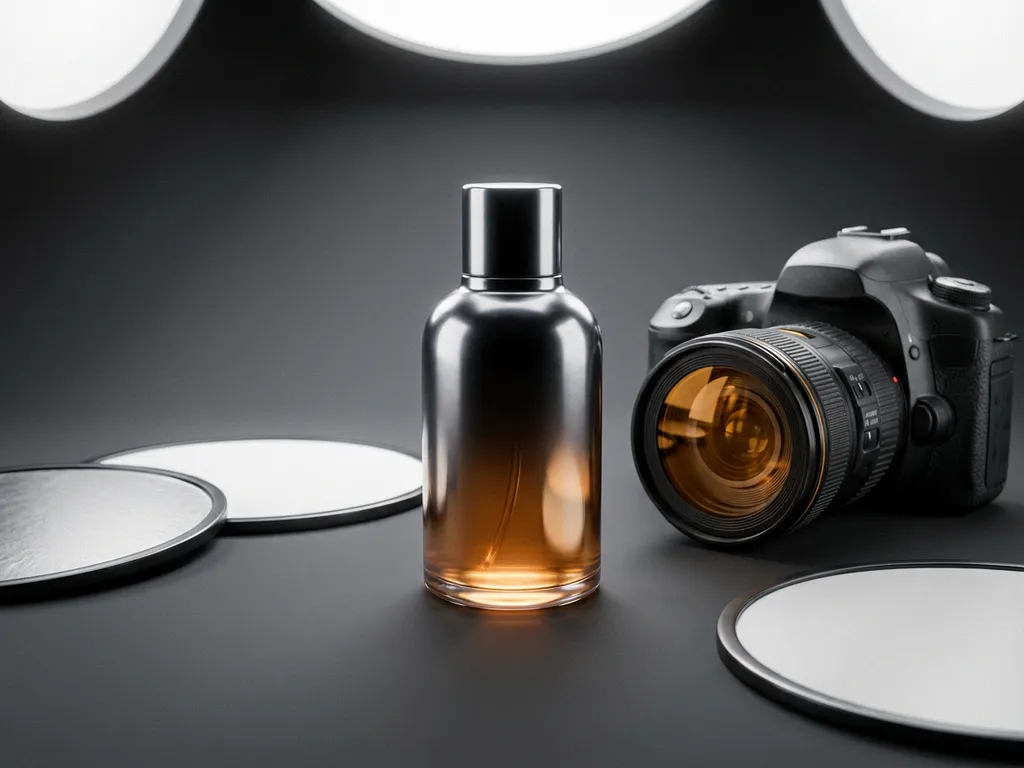
PBR (Physically Based Rendering) can significantly reduce product photography costs for brands by replacing expensive photoshoots with photorealistic digital rendering. This technology creates stunning product visuals that match or exceed traditional photography quality while eliminating ongoing studio costs, model fees, and logistical complexities. For brands managing extensive product catalogs or frequent variations, PBR rendering offers substantial cost savings and operational flexibility.
Why are traditional photography costs spiraling out of control for product brands?
Traditional product photography creates a financial bottleneck that grows exponentially with your product range. Every new variant, color option, or configuration requires a separate photoshoot, driving costs from hundreds to thousands of dollars per product. Studio rental, professional photographers, lighting equipment, and post-production editing quickly add up, creating massive budget drains. When you factor in time delays, scheduling conflicts, and the need to reshoot when products change, traditional photography becomes an operational nightmare that strangles growth and agility.
The solution lies in transitioning to scalable digital workflows that eliminate these recurring costs. PBR rendering creates a foundation where one 3D model generates unlimited variations without additional photography expenses, transforming your visual content production from a cost center into a competitive advantage.
How is inconsistent visual quality damaging your premium brand positioning?
Inconsistent product visuals across your channels create a fragmented brand experience that undermines premium positioning. When your website shows one lighting style, your catalog displays different shadows, and your retail displays present yet another visual approach, customers lose confidence in your brand’s attention to detail. This visual inconsistency signals poor quality control and damages the premium perception you’ve worked hard to build.
PBR rendering solves this by creating a unified visual standard that maintains consistent lighting, materials, and presentation across every touchpoint. This consistency reinforces your premium brand identity while building customer trust through professional, cohesive visual experiences.
Visual Commerce Solutions
Talk to our team about your project.
What is PBR rendering and how does it work for product visualization?
PBR (Physically Based Rendering) is an advanced computer graphics technique that simulates how light interacts with surfaces in the real world. Unlike traditional rendering methods, PBR uses scientifically accurate algorithms to calculate light behavior, material properties, and surface interactions, creating photorealistic images that are virtually indistinguishable from photographs.
For product visualization, PBR rendering works by building detailed 3D models with accurate material properties, including roughness, metallic values, and subsurface scattering. The system then applies realistic lighting conditions and environmental reflections to generate images that showcase products with natural shadows, authentic textures, and lifelike reflections. This technology enables brands to create stunning product visuals without physical prototypes or expensive photography setups.
The process begins with creating a precise 3D model of your product, followed by applying PBR materials that define how surfaces should look and behave under different lighting conditions. Advanced rendering engines then calculate millions of light rays to produce final images with exceptional realism and detail.
How much can brands save by switching from photography to PBR rendering?
Brands typically save 60-80% on visual content production costs when switching from traditional photography to PBR rendering. A single photoshoot for a furniture piece can cost between €2,000-€5,000, including studio time, photographer fees, and post-production. With PBR rendering, that same product can be visualized for a fraction of the cost once the initial 3D model is created.
The savings multiply exponentially with product variations. Where photographing 20 color variants of a chair would require 20 separate shoots costing €40,000-€100,000, PBR rendering can generate all variants from one 3D model for under €10,000. For brands with extensive catalogs, annual savings often reach six figures while dramatically improving production speed and flexibility.
Beyond direct cost savings, brands eliminate hidden expenses like shipping products to studios, coordinating schedules, managing physical samples, and dealing with reshoots when products change. The use cases demonstrate how leading brands have transformed their visual content economics through strategic PBR implementation.
What’s the difference between PBR rendering and traditional product photography?
The fundamental difference lies in the creation process and ongoing flexibility. Traditional photography captures a physical product in a specific moment with fixed lighting, angles, and environmental conditions. Once the shoot is complete, any changes require new photography sessions with associated costs and delays.
PBR rendering creates digital assets that offer unlimited flexibility. You can instantly adjust lighting conditions, change materials, modify colors, or alter backgrounds without additional production costs. The rendering process also provides perfect consistency across all images, eliminating variables like lighting changes, camera settings, or environmental factors that can create visual inconsistencies in traditional photography.
In terms of quality, modern PBR rendering achieves photorealistic results that often surpass traditional photography in clarity, detail, and visual appeal. The technology allows for perfect lighting control, the elimination of unwanted reflections, and the ability to showcase products in idealized conditions that would be impossible or extremely expensive to achieve in physical photography.
How long does it take to create PBR rendered product images?
Initial PBR setup typically takes 2-4 weeks for complex products like furniture, including 3D modeling, material creation, and rendering optimization. However, once the foundation is established, generating new images becomes remarkably fast. Individual product variations can be rendered in hours rather than the days or weeks required for traditional photography scheduling and execution.
The time investment pays dividends through scalability. While the first product image might take longer than a traditional photoshoot, subsequent variations, color changes, or environmental adjustments happen almost instantaneously. Brands often find they can produce more visual content in a month with PBR rendering than they previously created in a year with traditional photography.
For urgent marketing campaigns or last-minute product launches, PBR rendering provides unmatched agility. New product images can be delivered within hours of receiving specifications, compared to the weeks typically required for scheduling and executing traditional photography.
What types of products work best with PBR rendering?
PBR rendering excels with products that have well-defined geometric shapes, consistent material properties, and benefit from customization options. Furniture, automotive components, electronics, jewelry, and architectural elements are ideal candidates because they translate naturally into 3D models with predictable material behaviors.
Products with multiple configuration options see the greatest value from PBR rendering. Items like modular furniture, configurable electronics, or customizable home goods benefit enormously because one 3D model can generate thousands of variations without additional modeling work. The technology particularly shines for luxury and premium products where visual quality directly impacts purchasing decisions.
Conversely, products with highly variable organic textures, complex fabric draping, or intricate handcrafted details may require hybrid approaches combining PBR rendering with selective photography. However, advances in material simulation and rendering technology continue expanding the range of products that benefit from pure PBR workflows.
How we help brands reduce photography costs with PBR rendering
We specialize in creating high-end PBR rendering solutions that eliminate traditional photography expenses while delivering stunning visual quality. Our approach combines advanced 3D modeling with photorealistic rendering techniques specifically designed for luxury and premium product brands.
Our comprehensive visual product configuration platform offers:
- Photorealistic PBR rendering that matches or exceeds traditional photography quality
- Unlimited product variations from single 3D models, eliminating recurring photography costs
- Seamless integration with existing e-commerce platforms and sales environments
- Blazing-fast rendering speeds that support real-time customization and instant visual updates
- Consistent visual quality across all channels, reinforcing premium brand positioning
Ready to transform your visual content production and reduce photography costs by up to 80%? Contact our team to discover how PBR rendering can revolutionize your product visualization strategy while delivering substantial cost savings and operational efficiency.
Frequently Asked Questions
What technical requirements do I need to implement PBR rendering for my product catalog?
You’ll need access to professional 3D modeling software, a powerful rendering engine that supports PBR workflows, and sufficient computing power for rendering operations. Most brands partner with specialized PBR service providers who handle the technical infrastructure, requiring only product specifications and brand guidelines from your team to get started.
How do I ensure PBR rendered images match my brand's existing visual style and quality standards?
PBR rendering offers precise control over lighting, materials, and environmental settings to match your brand aesthetic perfectly. Work with your rendering team to establish detailed brand guidelines including specific lighting setups, color profiles, and material properties. Request test renders and iterative refinements until the visual output aligns with your premium brand standards.
What happens if I need to make changes to my product design after the 3D model is created?
One of PBR rendering’s key advantages is flexibility for design modifications. Minor changes like color variations or material swaps happen instantly without additional modeling costs. More significant design changes may require model updates, but these are typically faster and more cost-effective than reshooting traditional photography for the same modifications.
Can PBR rendering handle complex product features like transparent materials, intricate textures, or moving parts?
Modern PBR rendering excels at simulating complex materials including glass, metals, fabrics, and transparent elements with remarkable accuracy. Moving parts can be positioned and rendered in various configurations from the same base model. However, extremely complex organic textures or highly detailed handcrafted elements may require specialized approaches or hybrid solutions.
How do I transition from traditional photography to PBR rendering without disrupting my current marketing campaigns?
Plan a phased transition starting with new product launches or upcoming campaigns while maintaining existing photography for current products. Begin with a pilot project for one product line to establish workflows and quality standards. This approach allows you to validate results and train your team while avoiding disruption to ongoing marketing efforts.
What's the typical ROI timeline for investing in PBR rendering versus continuing with traditional photography?
Most brands see positive ROI within 6-12 months, with break-even typically occurring after rendering 15-25 product variations. The initial investment in 3D modeling pays for itself quickly through eliminated photography costs, and ongoing savings compound with each new product variation. Brands with extensive catalogs or frequent product updates often achieve ROI within 3-6 months.
How do customers typically respond to PBR rendered product images compared to traditional photography?
Customer response to high-quality PBR rendering is consistently positive, often showing improved engagement and conversion rates due to the superior visual consistency and detail control. The key is ensuring photorealistic quality that maintains customer trust. Many customers cannot distinguish between expertly executed PBR renders and traditional photography, while appreciating the enhanced visual clarity and consistency across product variations.